
In modern agriculture, managing livestock and poultry waste efficiently is crucial for both environmental sustainability and farm productivity. Cow manure and other high-fiber materials such as straw or bedding are nutrient-rich but difficult to decompose naturally. Without proper handling, these materials can remain in the composting process for extended periods, produce strong odors, and attract pests. Advanced equipment allows farms to transform high-fiber waste into valuable organic fertilizer, turning a disposal challenge into a resource that supports sustainable agriculture.
The Challenge of High-Fiber Waste
Cow manure contains significant fibrous content, which slows down natural decomposition. Traditional composting methods require frequent turning, careful moisture control, and extended time to achieve a stable, pathogen-free product. High-fiber components like straw or bedding often remain intact for long periods, reducing the efficiency of composting operations. This can lead to uneven fermentation, prolonged processing time, and inconsistent nutrient content in the final organic fertilizer. Farms managing large volumes of livestock or poultry waste face these challenges regularly, making specialized equipment essential for handling complex organic materials efficiently.
How Fermentation Tanks Transform Cow Manure
Cow manure organic fertilizer fermentation tanks use controlled aerobic fermentation to accelerate the decomposition of cow manure and other high-fiber waste. By maintaining optimal levels of oxygen, temperature, and moisture, these tanks create an environment that supports consistent microbial activity. High-fiber cow manure benefits from uniform aeration, which allows microorganisms to penetrate dense fibers and break down tough materials efficiently. Controlled temperature ensures that microbial activity remains steady, while the heat generated by fermentation further softens fibrous components, making them more suitable for agricultural use. Continuous mixing ensures all parts of the feedstock are exposed to oxygen and heat, preventing dead zones where decomposition might otherwise slow down. This results in a uniform, nutrient-rich compost that can be applied safely to improve soil health.
Integrating Poultry Composting Machines
Poultry composting machines complement the function of fermentation tanks by preparing waste before it enters the fermentation stage. They homogenize poultry litter, cow manure, and other fibrous materials, reducing particle size and improving airflow within the composting system. By pre-processing the feedstock, poultry composting machines help fermentation tanks work more efficiently, ensuring that high-fiber components break down consistently. Combining poultry composting machines with organic fertilizer fermentation tanks allows farms to process large volumes of waste faster, reduce odor, and produce high-quality organic fertilizer with reliable nutrient content.
Turning Waste into Value
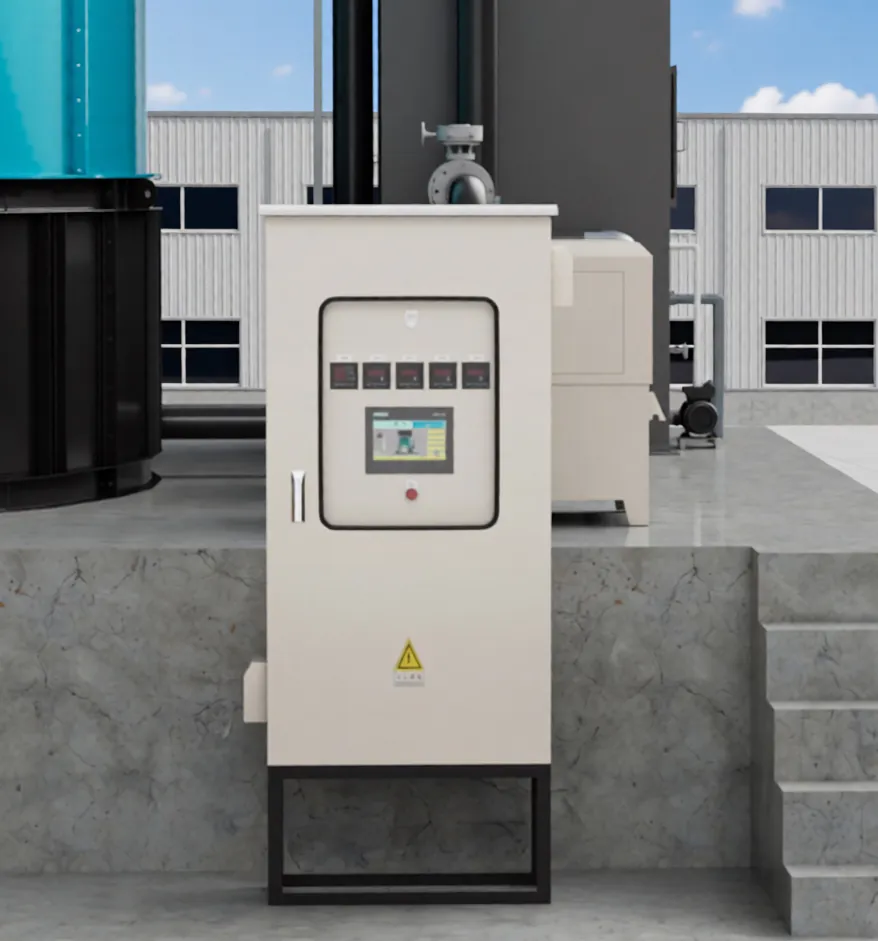
Efficient composting and fermentation solutions transform cow manure and high-fiber agricultural waste into a valuable resource. The process reduces environmental impact, lowers disposal costs, and creates nutrient-rich organic fertilizer that supports healthy soil and sustainable farming practices. For farms looking to optimize waste management and fertilizer production, the Cason C-160E offers automated mixing, temperature control, and aeration systems designed specifically to handle high-fiber materials. This advanced fermentation tank ensures consistent, high-quality compost production, turning livestock waste into a resource that contributes directly to farm productivity and environmental stewardship.