
Biosecurity is a critical priority in modern swine production. Farms must manage animal health risks while maintaining efficient waste treatment practices. Hog manure, bedding materials, and other organic waste can contain pathogens that threaten herd health if not handled properly. Effective waste treatment systems help reduce contamination risks and support a safer production environment. Technologies such as a poultry composting machine provide controlled composting conditions that contribute to improved biosecurity in livestock operations.
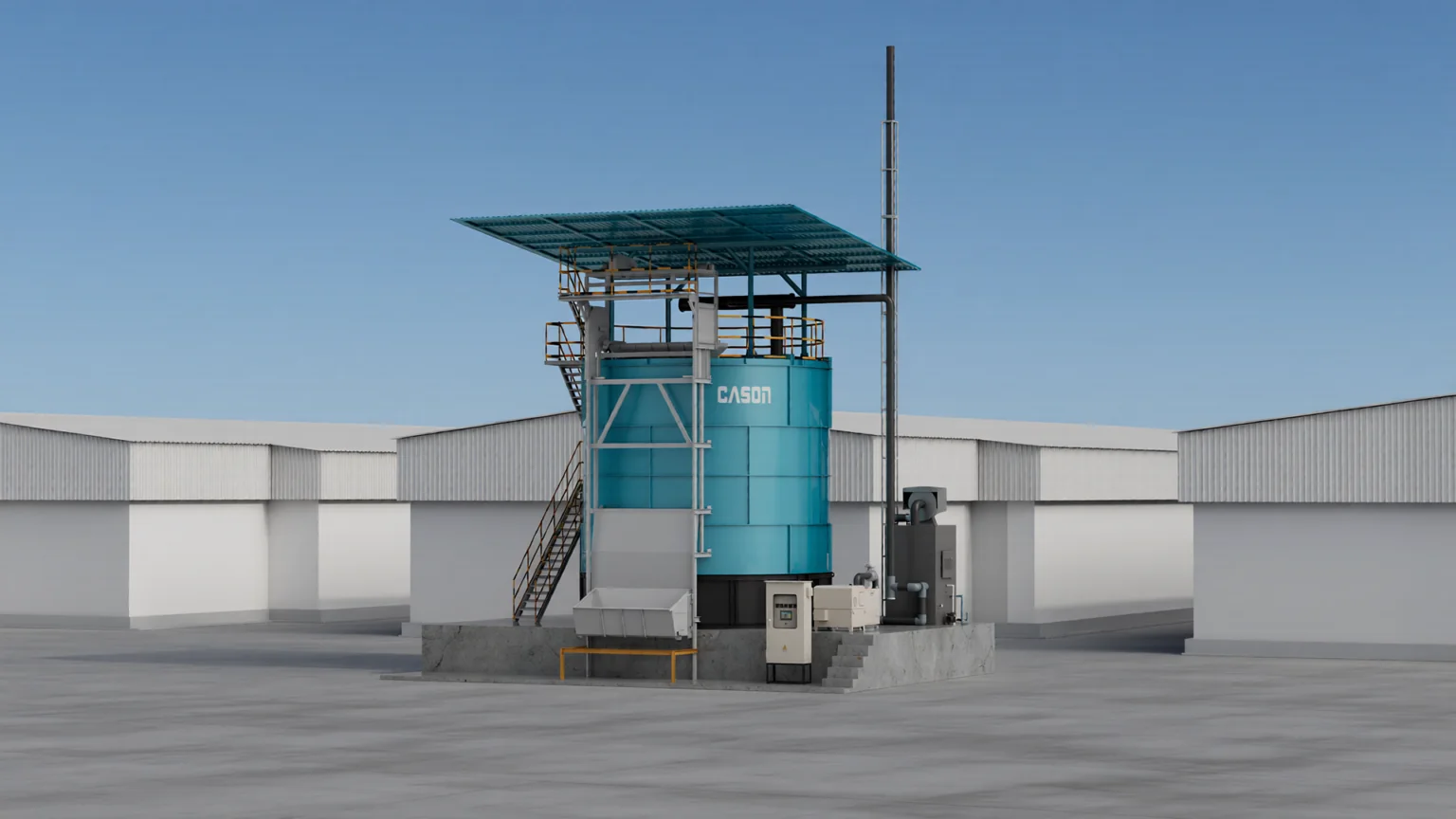
Biosecurity Challenges in Swine Waste Management
Swine farms produce large volumes of organic waste every day. Hog manure contains nutrients that are valuable for agriculture, but it can also carry bacteria, parasites, and other microorganisms that may spread disease. If manure is stored improperly or left untreated for long periods, these pathogens may remain active and potentially affect both animals and farm workers.
Traditional waste management practices often involve manure storage lagoons or open compost piles. While these methods can manage waste volume, they may not always provide consistent conditions for pathogen reduction. Environmental factors such as temperature fluctuations, moisture imbalance, and uneven aeration can slow microbial activity and allow harmful organisms to persist. These conditions highlight the importance of controlled composting systems that actively manage the decomposition process.
How Hog Waste Compost Tanks Improve Pathogen Control
A hog waste compost tank provides a controlled environment where organic waste is processed through aerobic fermentation. Inside the tank, airflow, temperature, and moisture are carefully managed to support active microbial communities that break down organic matter. During this process, compost temperatures can rise to levels that help inactivate many pathogens commonly found in livestock waste.
Consistent mixing within the tank ensures that all material is exposed to high temperatures and oxygen. This uniform treatment reduces the risk that untreated pockets of manure remain in the composting system. By maintaining stable fermentation conditions, a hog waste compost tank supports efficient decomposition while helping to reduce the biological risks associated with untreated manure.
Integration with Poultry Composting Machines
Many livestock farms operate mixed production systems that include poultry and swine. In such environments, equipment versatility becomes important. A poultry composting machine can assist with the initial processing of organic waste materials, including poultry litter and other farm residues, before they enter a compost tank. When combined with a hog waste compost tank, the overall waste treatment system becomes more efficient and organized.
This integrated approach improves biosecurity by reducing the amount of untreated waste stored on the farm. Faster composting cycles also limit the time that pathogens remain active in manure, helping farms maintain cleaner production areas and more controlled waste management procedures.
A Reliable Approach for Biosecure Waste Treatment
Effective composting systems support both environmental responsibility and livestock health. By converting hog manure into stable organic fertilizer through controlled fermentation, farms can reduce disease risks while producing a valuable agricultural product.
For farms seeking an efficient solution, the Cason C-160E offers a practical hog waste compost tank designed for consistent aeration, mixing, and temperature management. Its automated composting process helps livestock operations treat organic waste more efficiently while supporting improved biosecurity standards across swine production facilities.