
Managing organic waste efficiently requires attention not only to process control but also to energy use. An animal carcass composting machine converts livestock and poultry remains into usable fertilizer, and the energy required for aeration, heating, and mixing can vary depending on the machine design. Automatic compost machines are designed to optimize these processes, but understanding their power consumption models is essential for farms and waste treatment facilities seeking to balance operational efficiency with energy costs.
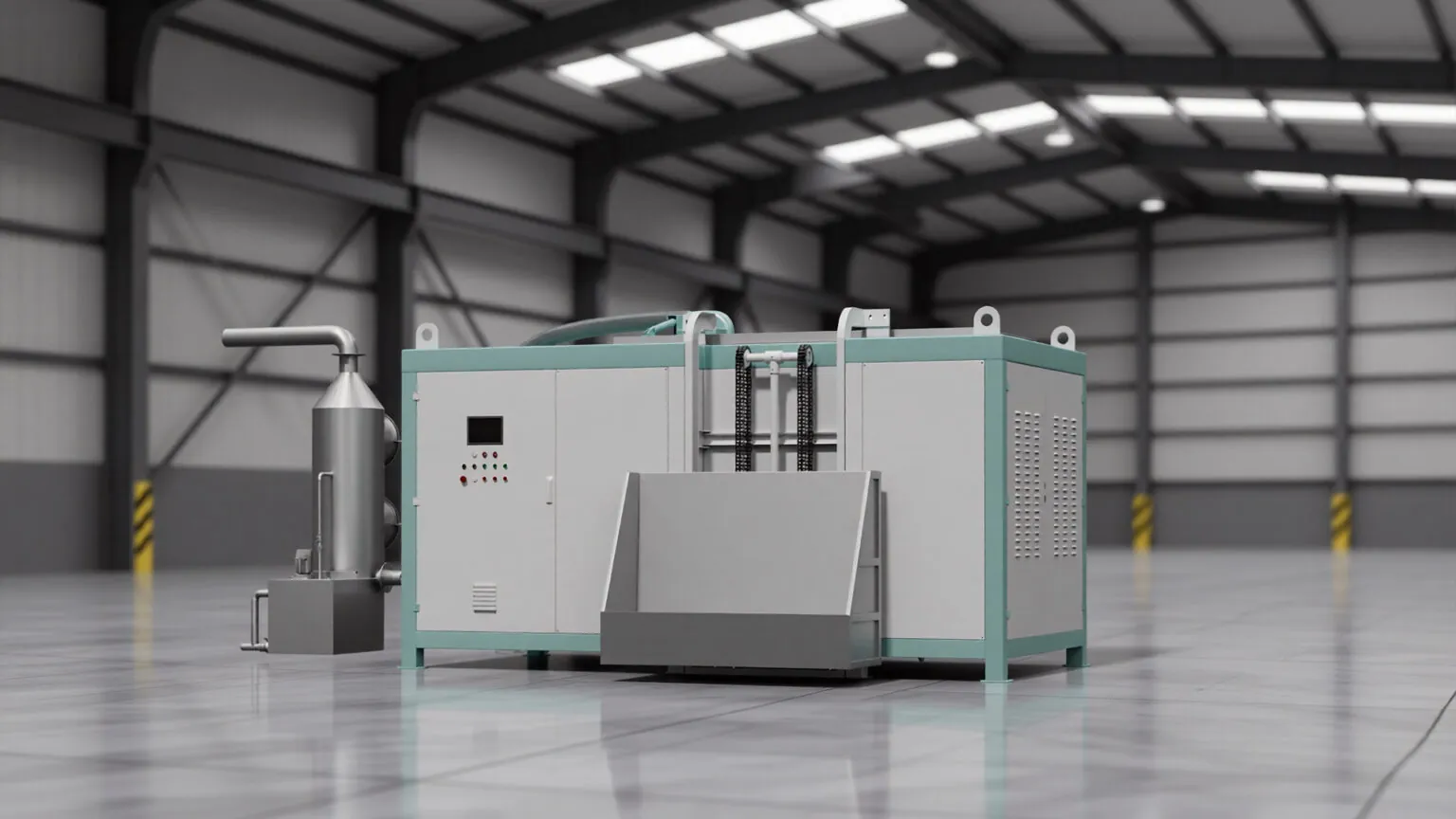
Evaluating Continuous and Intermittent Power Modes
Different automatic compost machines operate under varying power models. Some machines use continuous operation, where fans, mixers, and heating elements run steadily throughout the composting cycle. This ensures stable decomposition conditions but can increase energy consumption. Other models adopt intermittent power cycles, activating components only when sensors detect a deviation from optimal conditions. Intermittent operation reduces electricity use while still maintaining proper aeration, moisture, and temperature for microbial activity.
By comparing these approaches, operators can select a system that fits their energy management goals. Continuous models may provide more consistent conditions for large-scale processing, while intermittent models can be more cost-efficient for smaller operations or facilities with variable waste volumes.
Real Time Monitoring and Adaptive Control
One key factor in energy efficiency is the integration of monitoring and control systems. Automatic compost machines equipped with sensors can track temperature, oxygen levels, and moisture throughout the composting process. When the system detects conditions outside the optimal range, it can automatically adjust fans, mixers, and heaters. This adaptive control ensures energy is only used when necessary, reducing waste and supporting sustainability goals.
Power consumption data collected over multiple cycles can also help operators identify trends and refine operating schedules. By understanding which stages of composting require the most energy, farms can plan workloads and optimize equipment use across multiple units.
Practical Implications for Farms
Energy use is a significant operational consideration, particularly for facilities processing large volumes of animal carcasses. Machines that combine efficient power models with intelligent monitoring allow operators to maintain effective composting while minimizing electricity costs. Consistent control of temperature and aeration also ensures that compost quality remains high, reducing the risk of incomplete decomposition or pathogen survival.
Evaluating power consumption alongside operational performance helps farms make informed decisions about equipment selection and process management.
Cason designs automatic compost machines that balance reliable composting performance with energy-efficient operation. By combining intelligent control, adaptive power models, and robust processing capabilities, Cason machines allow farms to manage organic waste safely, efficiently, and sustainably.