
Managing poultry waste efficiently is a growing concern for farms, fertilizer producers, and agricultural facilities. Chicken manure contains valuable nutrients for soil improvement, yet untreated manure can create environmental and sanitation issues. Traditional composting methods often require several weeks to reach a stable state, which slows fertilizer production and increases storage pressure on farms. With the help of modern equipment such as a poultry composting machine, farms can shorten processing time significantly while maintaining stable compost quality.
Why Traditional Composting Takes Longer
In traditional composting systems, chicken manure is often piled into windrows or static heaps and turned manually or with mechanical equipment. The decomposition process relies on natural microbial activity, which requires sufficient oxygen, balanced moisture, and stable temperatures. When these conditions fluctuate, the composting process slows down. In many poultry farms, uneven aeration and inconsistent mixing can result in incomplete fermentation, which extends the processing period.
Another challenge is the high moisture content and dense texture of chicken manure. Without proper aeration and mixing, the material may develop anaerobic zones that delay decomposition and generate unpleasant odors. These factors explain why conventional composting often takes several weeks before manure can be safely applied as organic fertilizer.
How a Chicken Manure Composting Tank Accelerates the Process
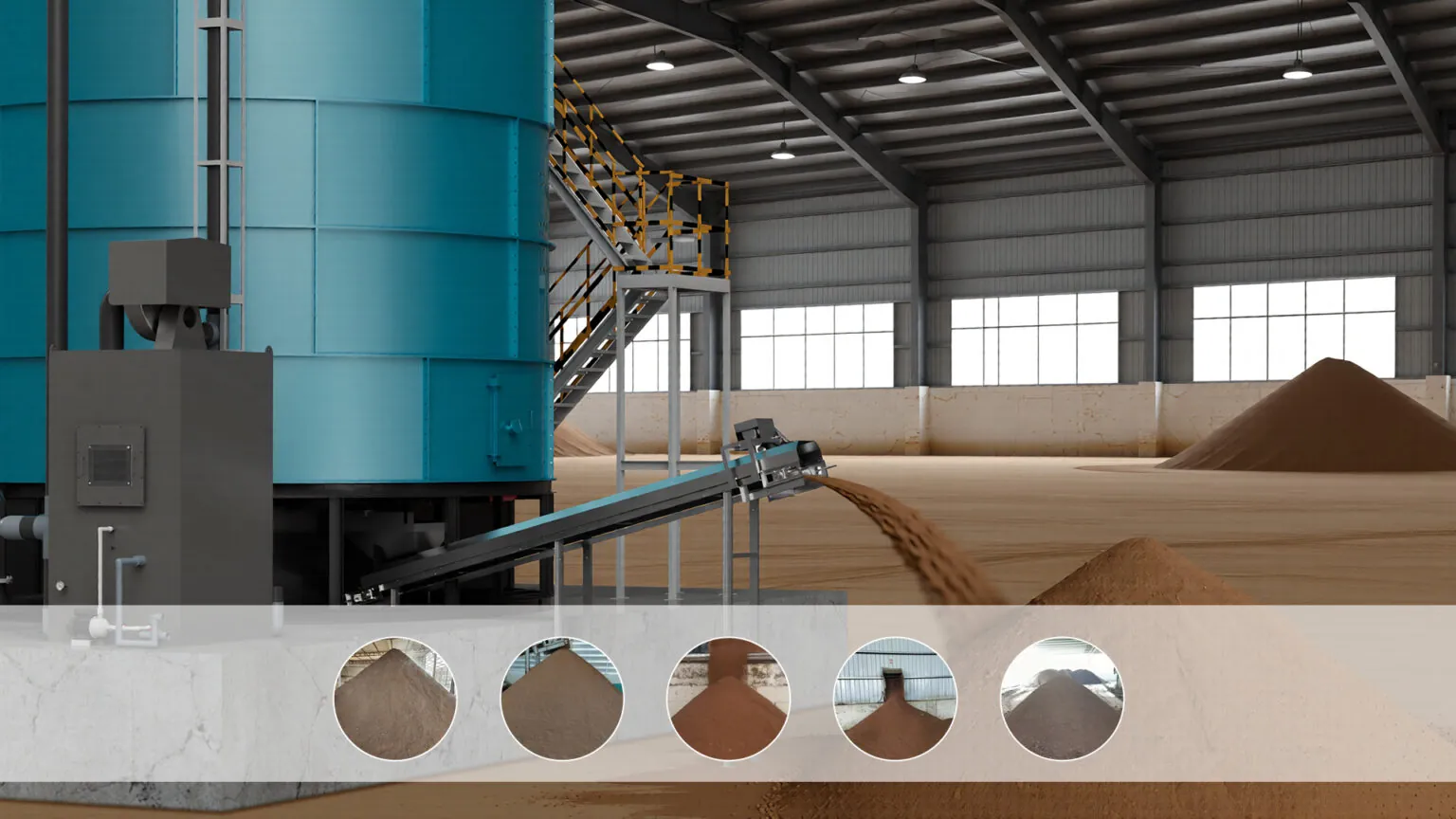
A chicken manure composting tank is designed to create controlled fermentation conditions that allow microorganisms to work more efficiently. Inside the tank, temperature, airflow, and moisture levels are carefully managed to maintain active aerobic fermentation. This controlled environment allows organic matter to break down faster than in open compost piles.
Continuous mixing within the tank ensures that all manure material receives equal exposure to oxygen and microbial activity. As a result, decomposition occurs evenly throughout the system. The heat generated by microbial fermentation further accelerates the breakdown of organic fibers and reduces harmful pathogens. When these conditions remain stable, the composting process can be completed within about seven days, significantly reducing the time required compared with traditional methods.
Benefits for Poultry Farms and Fertilizer Producers
Using a poultry composting machine or chicken manure composting tank allows farms to process manure more quickly and efficiently. Faster composting cycles help reduce the accumulation of raw waste and lower the risk of odor or contamination around poultry facilities. This also helps farms maintain cleaner working environments and comply with environmental management requirements.
Another advantage is improved production planning. When composting takes only a short time, fertilizer producers can maintain a steady supply of organic compost for agricultural use. This supports more consistent fertilizer production and better resource utilization within the farm.
A Practical Solution for Rapid Composting
For farms seeking a reliable system for rapid manure treatment, equipment design plays an important role. A well-engineered poultry composting machine ensures stable aeration, consistent mixing, and precise temperature control during fermentation. These features support efficient microbial activity and help shorten the composting cycle without sacrificing fertilizer quality.
The Cason C-160E chicken manure composting tank is designed to support this rapid conversion process. With automated mixing, controlled airflow, and a compact fermentation system, the C-160E helps poultry farms convert chicken manure into stable organic fertilizer in a short time while maintaining efficient waste management operations.