
Livestock farming inevitably involves managing animal mortalities. Traditional disposal methods such as burial, incineration, or manual compost piles often require significant labor, equipment handling, and continuous monitoring. These methods may also create environmental concerns related to odors, pathogens, and nutrient leakage. An animal carcass composting machine offers a more structured and efficient alternative. By automating the composting process, farms can handle mortalities in a controlled environment while reducing labor demands and improving operational efficiency.
At Cason, we focus on practical composting solutions designed to support modern farms. Our systems integrate automation and biological composting principles to help farms reduce manual work while maintaining safe and efficient waste management.
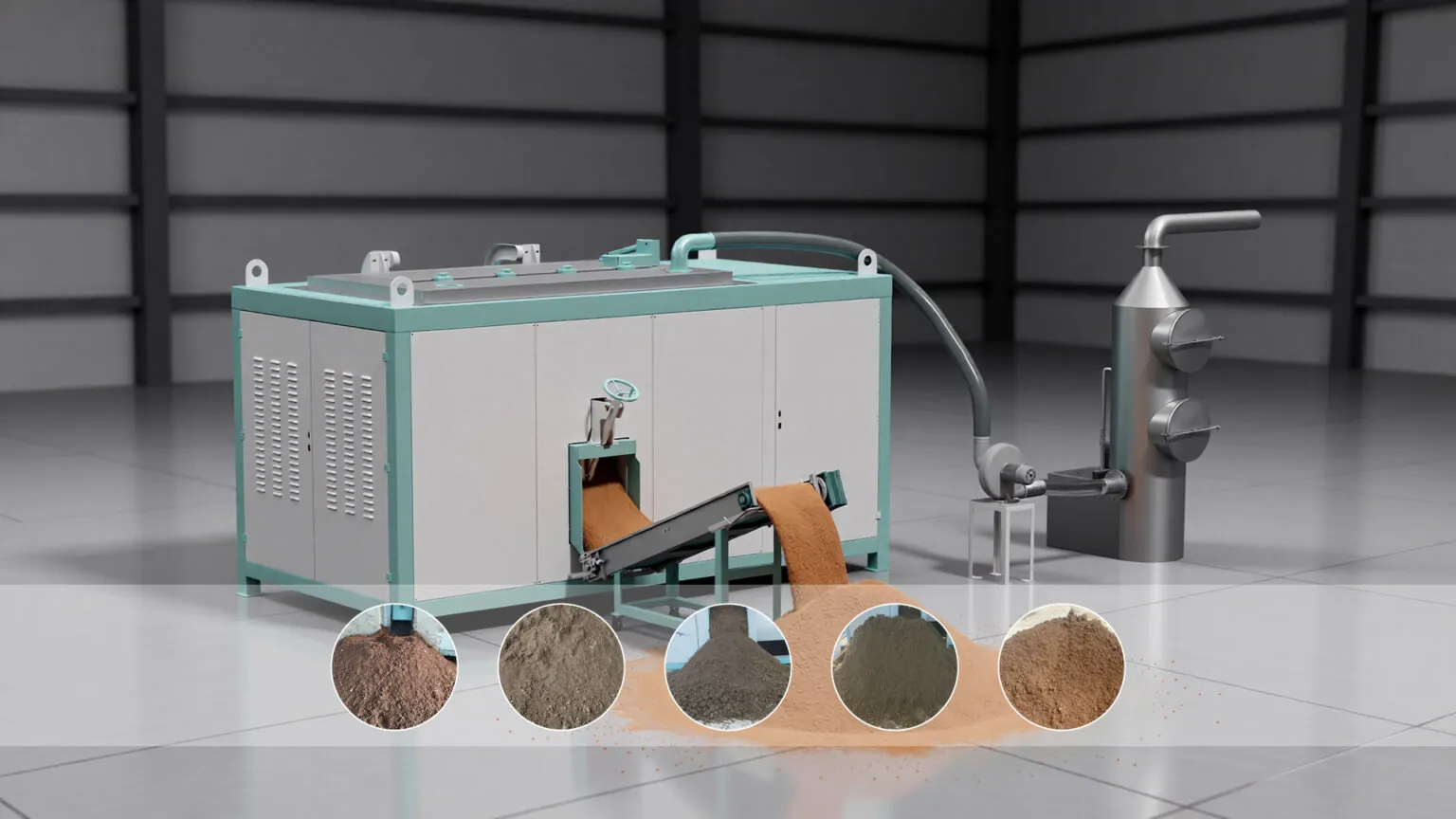
How Carcass Composting Works
Composting animal carcasses relies on natural microbial decomposition. Microorganisms break down organic materials, producing heat that helps destroy many pathogens and stabilize the material. When managed properly, the process converts carcasses and organic matter into nutrient-rich compost that can be reused on farmland. In traditional composting, farmers must regularly mix materials, adjust moisture levels, and monitor temperatures. This can involve heavy equipment, repeated manual intervention, and extended processing periods.
An automatic compost machine simplifies these steps. The system mechanically mixes carcasses with carbon materials such as sawdust or straw while maintaining suitable aeration and temperature conditions. Some machines grind and blend materials while heating them in a contained environment to accelerate decomposition and reduce pathogens. By automating these tasks, farms significantly reduce the amount of labor needed to manage organic waste.
Automation Reduces Daily Labor
One of the main advantages of automated composting is the reduction of repetitive manual work.
A modern animal carcass composting machine can automatically perform several key functions. The system controls mixing, aeration, temperature regulation, and moisture balance inside the compost chamber. Operators typically only need to load carcasses and carbon materials into the machine and remove finished compost when the cycle is complete.
This workflow eliminates many labor-intensive tasks such as turning piles, monitoring decomposition conditions, and manually transporting partially processed materials. With fewer manual steps, farms can operate with smaller waste management teams while maintaining consistent composting performance.
For farms managing poultry, swine, or cattle operations, the labor savings become especially noticeable when dealing with daily mortalities.
Faster Processing Means Lower Operational Costs
Automated composting also shortens processing time. In conventional compost piles, carcasses may take months to fully decompose depending on conditions and management practices.
With a controlled automatic compost machine, the composting environment is optimized for microbial activity. Continuous mixing, insulation, and temperature management accelerate the decomposition process. Some mechanized systems can process organic waste within days or weeks rather than months.
Faster cycles allow farms to process more material with the same equipment while reducing the labor associated with long-term compost pile management.
Consistent and Contained Waste Management
Another important benefit is process stability. Manual compost piles can vary in temperature, moisture, and aeration, which increases the risk of odors or incomplete decomposition.
An enclosed animal carcass composting machine maintains stable composting conditions and limits exposure to weather and pests. Automated controls ensure consistent mixing and aeration, helping farms meet environmental management requirements while reducing the need for constant supervision.
This consistency not only lowers labor costs but also improves overall farm sanitation.
A Practical Approach with Cason
At Cason, we design composting systems that align with the real operational needs of livestock farms. Our solutions integrate automation, biological composting principles, and durable equipment structures to help farms manage organic waste more efficiently.
With a Cason automatic compost machine, farms can streamline mortality management, reduce manual handling, and convert animal waste into usable compost. By simplifying daily operations, automated composting supports both economic efficiency and responsible farm management.