
In livestock and agricultural operations, handling organic waste safely and efficiently is essential. Traditional composting methods rely heavily on manual labor to manage animal carcass composting machines, turning biological waste into usable fertilizer over extended periods. While these methods are widely used, they require constant monitoring of moisture, temperature, and aeration to ensure proper decomposition. This can make it challenging to maintain consistency and efficiency across large volumes of waste.
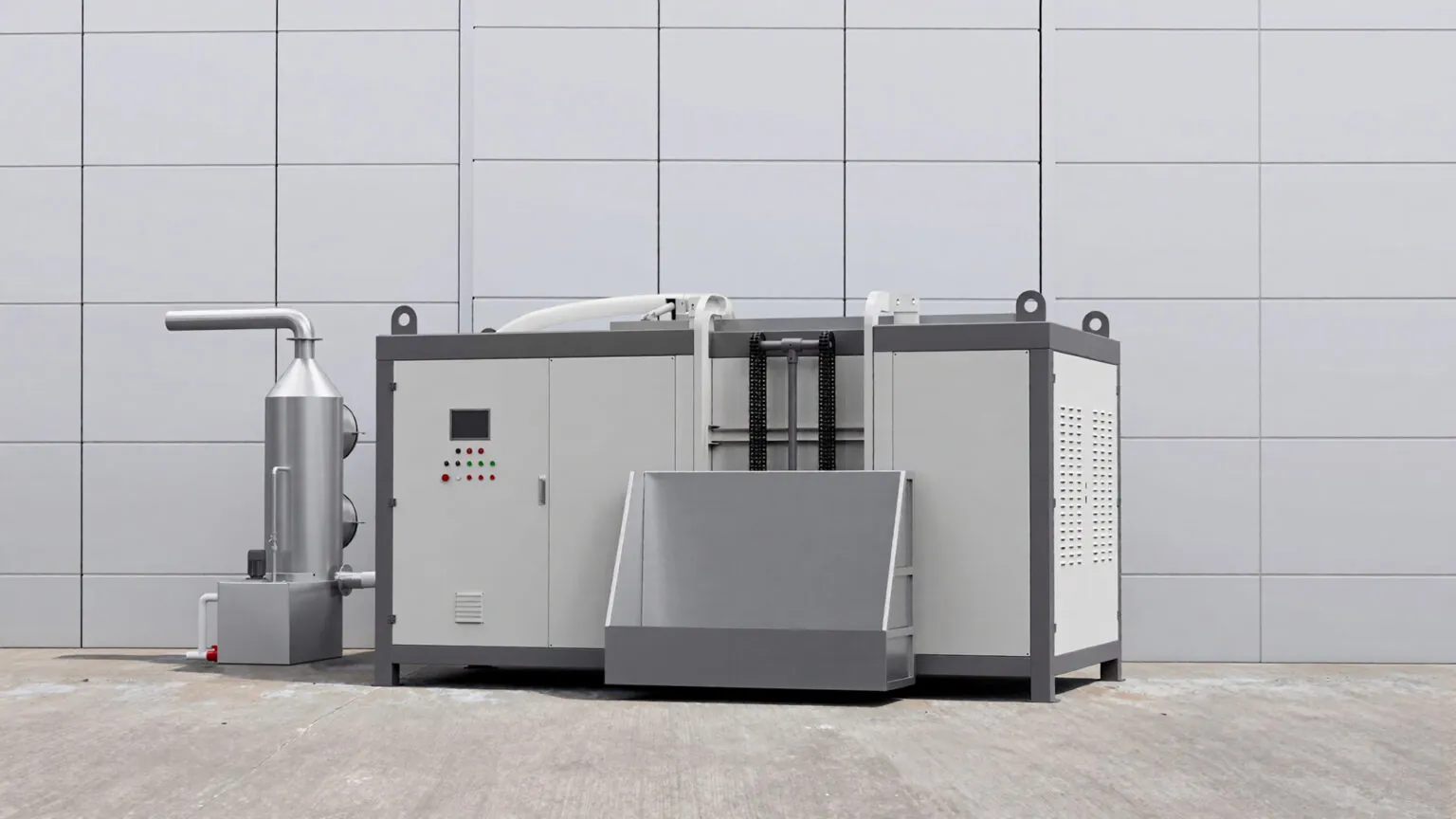
In comparison, an automatic compost machine provides a controlled environment where these variables are regulated with minimal human intervention. By automating mixing, aeration, and temperature control, the machine ensures that composting progresses steadily and safely.
Time and Labor Efficiency
One of the most noticeable differences between traditional composting and automatic systems is the time required to process organic waste. Traditional compost piles need frequent turning and careful observation to maintain optimal microbial activity. Any deviation in temperature or moisture can slow decomposition or lead to odor issues.
Automatic compost machines streamline this process by continuously monitoring and adjusting internal conditions. This reduces the labor needed to maintain each batch, freeing staff to focus on other tasks. Farms and processing facilities benefit from more predictable schedules and shorter processing cycles, making waste management operations more manageable.
Consistency and Safety
Safety is a key concern when dealing with animal carcasses. Traditional composting can result in uneven heat distribution, leaving some areas of the pile at lower temperatures that may not eliminate pathogens effectively.
Automatic compost machines maintain uniform heat and oxygen levels throughout the composting chamber. Sensors and automated control systems ensure that each stage of decomposition occurs under optimal conditions. This controlled approach not only improves compost quality but also reduces the risk of contamination, making the process safer for both staff and the environment.
Monitoring and Data Management
Traditional methods rely on manual observation and record-keeping, which can lead to inconsistencies and gaps in operational data. Automatic compost machines collect real-time data on temperature, moisture, and airflow. Operators can review this information to identify trends, adjust processing schedules, and perform maintenance proactively. Data-driven management supports efficiency, reduces downtime, and allows for more informed decision-making in organic waste treatment.
Improving Farm Sustainability
By comparing these approaches, it becomes clear that automatic compost machines offer measurable improvements in efficiency, safety, and process control. Farms and facilities can achieve faster decomposition, better biosecurity, and reduced labor requirements without compromising compost quality.
Cason provides automatic compost machines designed to integrate these features seamlessly, supporting efficient, safe, and consistent animal carcass composting while helping operations optimize resource use and maintain environmental standards.