
At Cason, we recognize that industrial in-vessel composting is an effective and controlled method for converting organic waste into valuable compost in a contained environment, optimizing temperature, aeration, and moisture to support aerobic decomposition. This method accelerates biodegradation, mitigates odor and pest concerns, and enhances compost quality compared with open systems like windrow composting.
Understanding Energy Use in In-Vessel Composting Technology
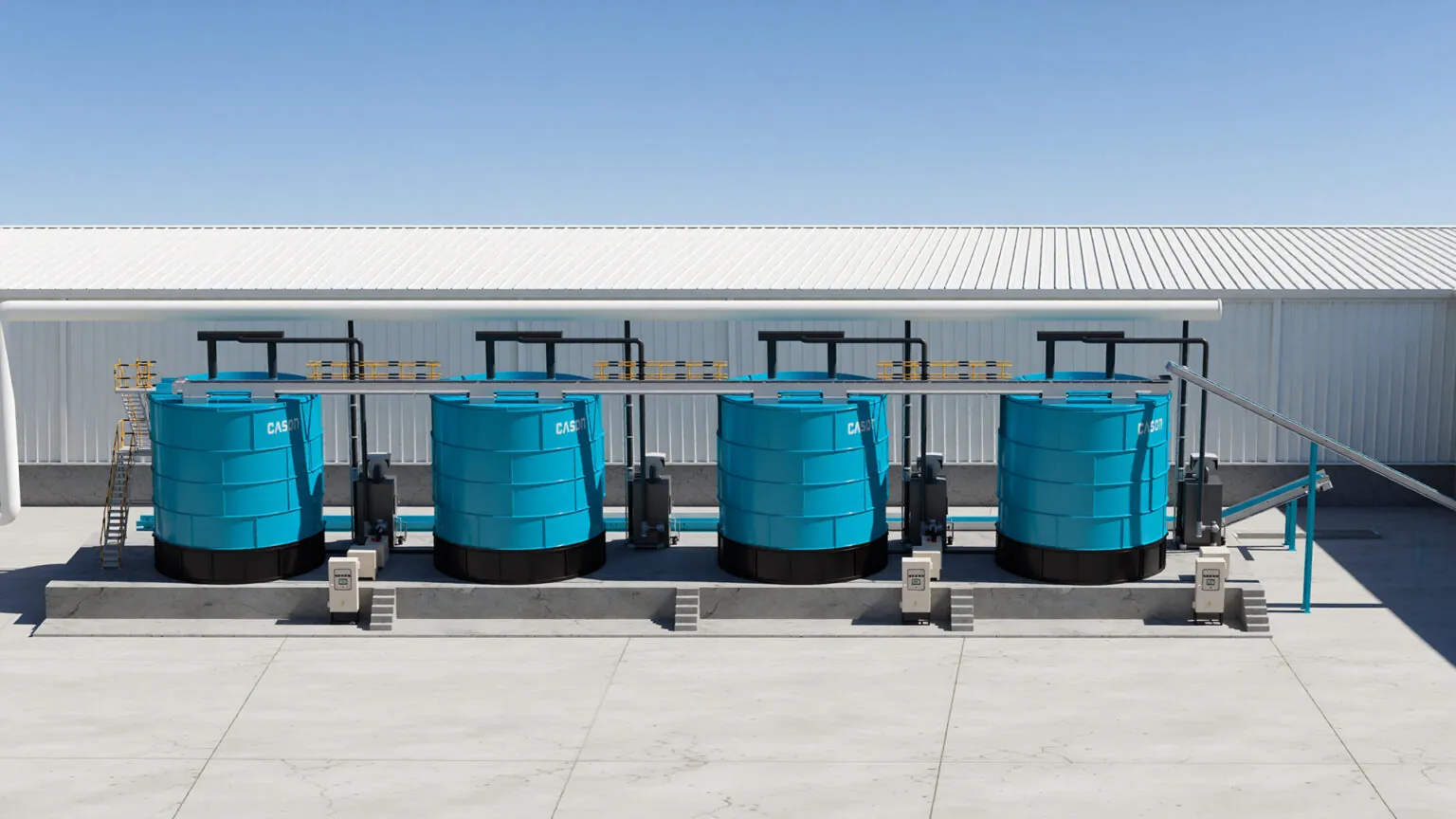
In-vessel composting technology confines compost feedstocks inside vessels, such as drums or concrete tunnels, where environmental conditions are carefully managed. Forced aeration systems, temperature control, and mechanical agitation are key elements that support microbial activity and process stability. In this setting, energy consumption is tied directly to how effectively these systems maintain ideal composting conditions with minimal power use.
For industrial facilities that run continuously, even modest improvements in energy performance can result in significant cost savings. Optimizing airflow and temperature control while minimizing electrical demand reduces operational expenses and supports sustainability goals without compromising throughput or output quality.
Strategic Energy-Saving Approaches
One clear strategy to conserve energy in industrial in-vessel composting is to improve the efficiency of air movement and control systems. Fans, aeration blowers, and automated control systems consume a noticeable share of power during operation. At Cason, our design philosophy prioritizes energy-efficient components and systems that maintain process performance while lowering energy use. For example, advanced energy-saving fans work with aerodynamically designed impellers and efficient drive technologies to deliver necessary airflow with reduced electrical input. This reduces overall consumption per unit of air moved, and over time the savings on electricity can appreciably offset operating costs.
Another practical approach is the integration of centralized control systems that match ventilation rates to real-time conditions inside the vessel. By using sensors and automated logic, systems can adjust oxygen delivery only when needed, instead of running at constant full power. This precise regulation eliminates wasteful oversupply and ensures energy is used only to sustain optimal microbial activity and temperature.
For facilities that experience variable waste loads, modular and scalable vessel designs allow operators to run only as much equipment as necessary rather than full plant capacity at all times. This flexibility supports targeted energy use, especially during periods of lower waste volume.
Making Energy Efficiency Work for Your Facility
An efficient industrial in-vessel composting system helps businesses manage organic waste responsibly while controlling costs. At Cason, we continually refine our technology to help customers optimize energy performance without sacrificing operational effectiveness. Our systems are designed to integrate energy-saving innovations with reliable process control, empowering facilities to compost organic waste efficiently and sustainably.
By combining smart design, efficient components, and responsive control, industrial in-vessel composting can be both a responsible waste management solution and an energy-efficient operation that supports long-term environmental and economic goals.