
At Cason, we understand that in-vessel composting systems are widely used in industrial and commercial settings to manage organic waste within a controlled environment, maintaining optimal temperature, airflow, and moisture for efficient decomposition. These enclosed composting systems sharply reduce odor and pest concerns compared with traditional open-air composting while allowing precise management of the composting process. As businesses consider investments in composting infrastructure, evaluating the long-term durability of a customizable in-vessel composter becomes a key factor in both performance and total cost of ownership.
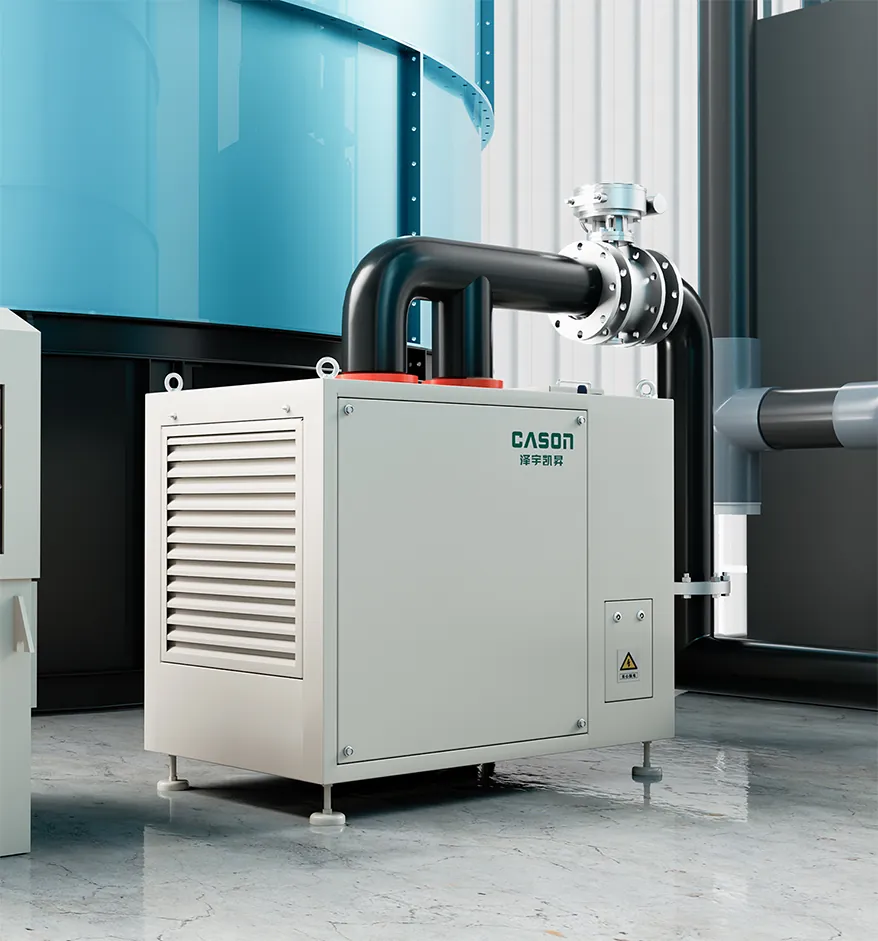
What Makes Durability Important in In-Vessel Composting
Durability in an in-vessel composter impacts operational continuity, maintenance demands, and overall value. These systems are built to handle the rigors of large volumes of organic waste and continuous operation, but the mechanical components, vessel walls, and environmental controls must all withstand heavy use over time. A robust structure and dependable parts reduce the frequency of repairs and downtime, enabling composting facilities to run efficiently day after day. When companies evaluate customizable systems, they are essentially assessing how well the design and material selections will hold up under real-world conditions.
Structural Integrity Through Material Selection
One of the primary aspects of durability in a customizable in-vessel composter is the choice of construction materials. Stainless steel, reinforced frames, and corrosion-resistant coatings contribute to longevity by resisting wear from moisture, heat, and acids present during composting. In contrast, weaker metals or untreated surfaces can be susceptible to rust and degradation, especially in environments where organic acids are present for extended periods. At Cason, our designs incorporate materials chosen for strength and resistance to environmental stresses, helping ensure that the composter’s shell and internal components continue to perform well even as operational cycles increase.
Mechanical and Control System Resilience
Beyond the vessel itself, moving parts such as agitators, aeration fans, and temperature or moisture sensors are critical to process control. These elements must be built to sustain repetitive movement and exposure to heat and humidity without frequent failure. Durable mechanical systems mean less unplanned maintenance and more predictable performance over the lifespan of the equipment. Furthermore, adaptability is important; a customizable in-vessel composter should allow businesses to scale features or adjust configurations in response to changing waste profiles or throughput demands without compromising robustness.
Operational Conditions and Long-Term Performance
Environmental factors such as temperature fluctuations, load consistency, and seasonal variances influence how hard a composter must work. Well-designed insulation and airflow distribution help protect internal components from thermal stress while maintaining consistent aerobic composting conditions. These features contribute not only to effective composting but also to the durability of the system as a whole.
Durability That Supports Sustainable Investment
Durability in a customizable in-vessel composter is more than a technical metric; it influences reliability, maintenance costs, and operational confidence over time. At Cason, we bring thoughtful engineering and quality components to our systems to support composting operations that are resilient and sustainable. Our approach helps businesses manage organic waste effectively while minimizing downtime and extending equipment life. A well-built in-vessel composter is a long-term partner in waste management that stands up to the demands of industrial composting environments.