
Composting is often misunderstood, particularly regarding its odor and environmental friendliness. Misinformation can hinder industries from adopting effective organic waste management practices. Let’s clarify the truths surrounding organic fermentation and its benefits.
Common Myths Surrounding Organic Fermentation
One prevalent myth is that all composting processes emit strong odors, deterring businesses from embracing organic waste management. However, this is not the case. Advanced systems like the organic fertilizer fermentation tank and the Bio-organic fertilizer fermentation tank are designed to minimize odors while optimizing fermentation efficiency.
Modern fermentation tanks utilize controlled microbiological processes that considerably reduce unpleasant smells. Factors such as oxygen supply, moisture control, and temperature regulation play pivotal roles in this. Effective systems ensure that the microbial activity is balanced, preventing anaerobic conditions that lead to odor generation.
The Role of Advanced Technology in Sustainable Composting
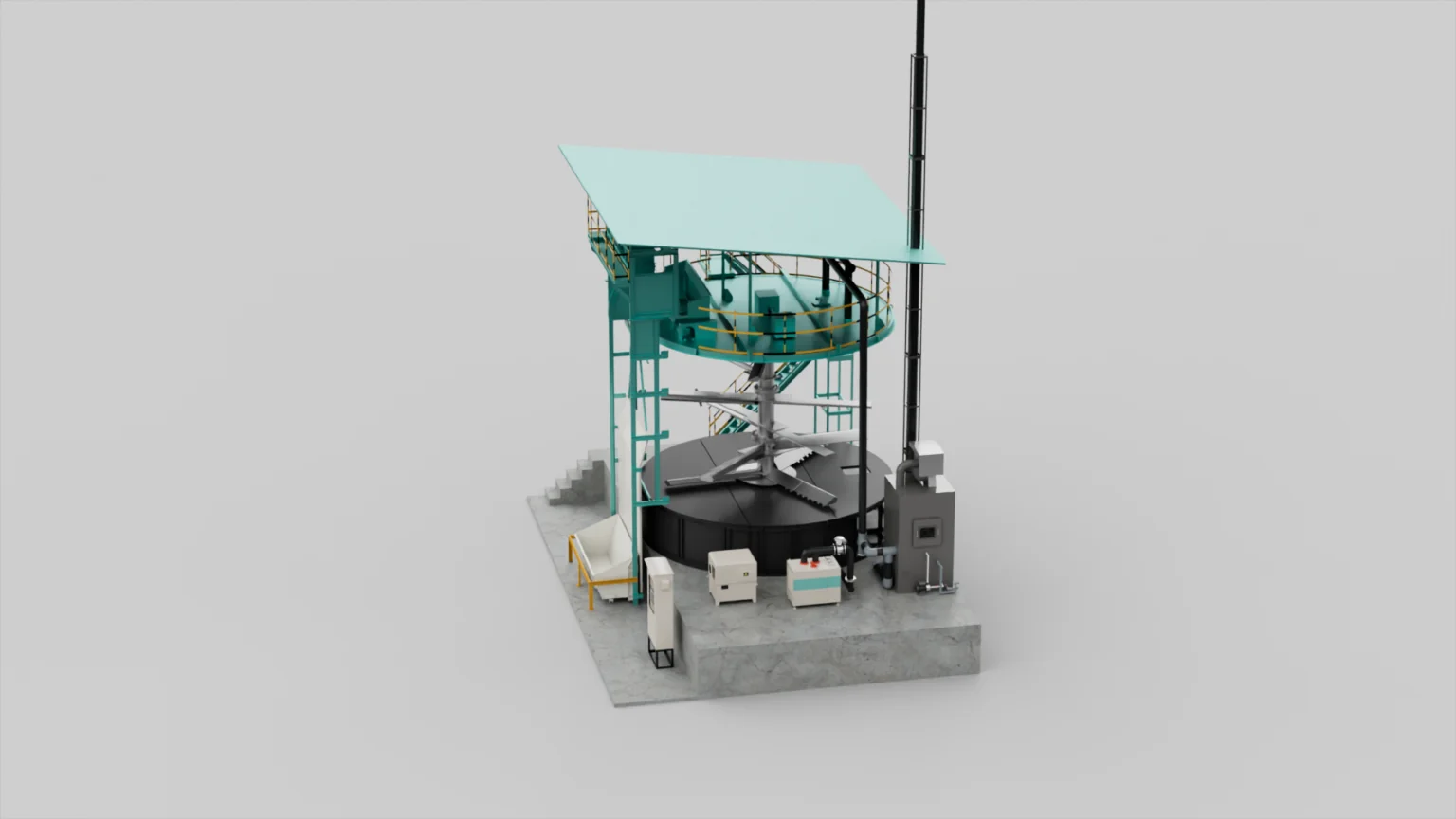
Technological advancements have revolutionized how we perceive and implement composting processes. For example, the Cason C-90E organic fertilizer fermentation tank features a Remote Conveying System that streamlines material handling while maintaining hygiene and efficiency. This system is crucial for achieving effective odor control.
Key components of the Remote Conveying System include the hopper lifting system, sealed conveyor pipeline, and screw conveyor. These elements work together to transport raw materials without exposure to the environment, ensuring that odors are contained and minimized. With just a single press, materials are automatically fed into the system, triggering subsequent processes with precision and reducing the need for manual intervention.
The Environmental Benefits of Green Composting
Adopting eco-friendly composting practices not only benefits businesses but also contributes to broader environmental goals. Utilizing a Bio-organic fertilizer fermentation tank can help turn organic waste into valuable fertilizer while reducing landfill waste. The technology employed in such tanks promotes a circular economy by reintroducing nutrients into the soil, fostering sustainable agricultural practices.
These fermentation tanks are specifically engineered to optimize the fermentation process, making the production of high-quality organic fertilizer both efficient and eco-friendly. As more industries recognize these advantages, the shift towards green composting appears not only feasible but also imperative.
Embracing Sustainable Practices Together
At Cason, we are committed to providing solutions that transform organic waste into valuable resources through advanced fermentation technology. Our organic fertilizer fermentation tank and Bio-organic fertilizer fermentation tank are designed to enhance efficiency while ensuring an odor-free and eco-friendly composting experience.
By choosing our technology, businesses can confidently manage organic waste, dispelling myths about odor and inefficiency. Together, we can contribute to a sustainable future, where organic waste is effectively recycled, benefiting both the environment and your bottom line. Let’s work towards a greener and more sustainable industry!