
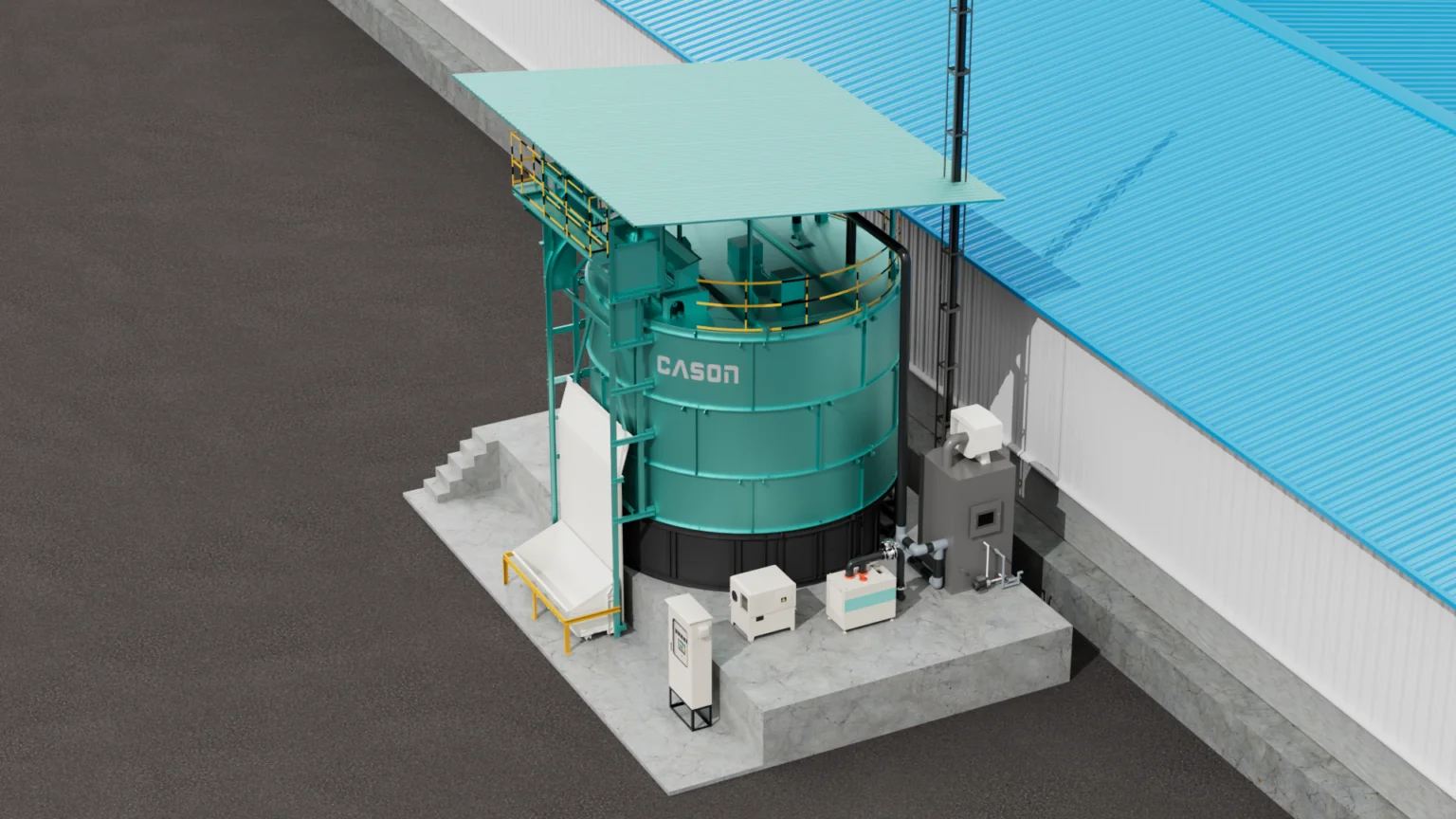
As farms strive for sustainability and productivity, the debate between bio-organic fertilizers and chemical fertilizers has become increasingly relevant. Understanding the advantages of using an organic fertilizer fermentation tank, particularly a Bio-organic fertilizer fermentation tank, can help farmers make informed decisions that benefit both their crops and the environment.
The Advantages of Bio-Organic Fertilizers
Bio-organic fertilizers, produced through fermentation processes, offer numerous benefits over their chemical counterparts. One of the foremost advantages is the enhancement of soil health. When utilizing an organic fertilizer fermentation tank, beneficial microbes are cultivated during the fermentation process. These microbes not only aid in nutrient availability but also improve soil structure and promote biodiversity. Unlike chemical fertilizers, which can lead to soil degradation over time, bio-organic fertilizers contribute to a thriving ecosystem in the soil, promoting long-term agricultural resilience.
Another significant advantage is the reduced environmental impact associated with bio-organic fertilizers. Chemical fertilizers often release harmful substances into the soil and water systems, contributing to pollution and other ecological issues. On the other hand, using a Bio-Organic Fertilizer Fermentation Tank minimizes this risk by recycling organic waste into a nutrient-rich product that supports plant growth without the adverse effects on the environment. This sustainable approach aligns with the growing demand for eco-friendly farming practices among consumers and regulatory bodies alike.
Energy Efficiency and Cost Savings
When evaluating the practicality of bio-organic fertilizers, energy efficiency and cost savings are critical factors. Cason’s organic fertilizer fermentation tanks, including the C-90E, demonstrate impressive performance by delivering up to 40% energy savings compared to traditional methods. This efficiency is backed by data from farms across Vietnam, Malaysia, China, and other countries, showcasing the real-world benefits of investing in high-quality fermentation technology.
Additionally, the initial investment in a Bio-Organic Fertilizer Fermentation Tank can lead to significant long-term savings. By converting organic waste into valuable fertilizer, farms can reduce dependency on expensive chemical fertilizers while simultaneously managing waste effectively. Thus, adopting bio-organic fertilizers not only makes economic sense but also fosters a more sustainable agricultural model.
A Holistic Approach to Farming
The shift towards bio-organic fertilizers does not merely represent a change in product choice; it signifies a holistic approach to farming. Farmers who utilize an organic fertilizer fermentation tank are investing in the future of agriculture. By prioritizing soil health, reducing environmental impact, and enhancing resource efficiency, they position themselves favorably in a marketplace increasingly driven by sustainability concerns.
At Cason, we are committed to empowering farmers with advanced solutions like our Bio-Organic Fertilizer Fermentation Tank. Trusted and valued for our quality and service, our tanks have been successfully exported to Vietnam and Thailand, demonstrating exceptional reliability and proven performance. As we continue to innovate in organic waste management, we invite you to join us in embracing bio-organic fertilizers as a viable alternative to chemical fertilizers. Together, we can cultivate a greener, more sustainable future for agriculture and beyond.