
In agricultural and livestock operations, how waste is managed has a direct impact on compliance, operating costs, and community relations. At Cason, we have worked with farms, slaughterhouses, and bioresource facilities to evaluate various waste treatment methods. Two common approaches for processing animal by-products and organic waste are incineration and using an automatic compost machine such as an animal carcass composting machine like our CF 2000. In this article, we break down how these methods compare in terms of cost, environmental impact, and long-term value.
Understanding Incineration Costs
Incineration has long been a method of disposing of organic materials. The technology reduces waste volume quickly by burning it at high temperatures. However, the process requires substantial energy input, whether through fossil fuels or electricity, which can result in significant operational expenses. Facilities must also invest in air pollution control systems to capture particulates and emissions. Installing and maintaining these systems adds to the total cost of ownership.
For many operations, incineration is priced on the basis of throughput and regulatory requirements. Facilities often face additional fees for emissions testing, monitoring, and compliance reporting. While incineration eliminates waste rapidly, the ongoing costs for energy and environmental controls are continuous expenses that impact the annual budget.
The Operation of Automatic Compost Machines
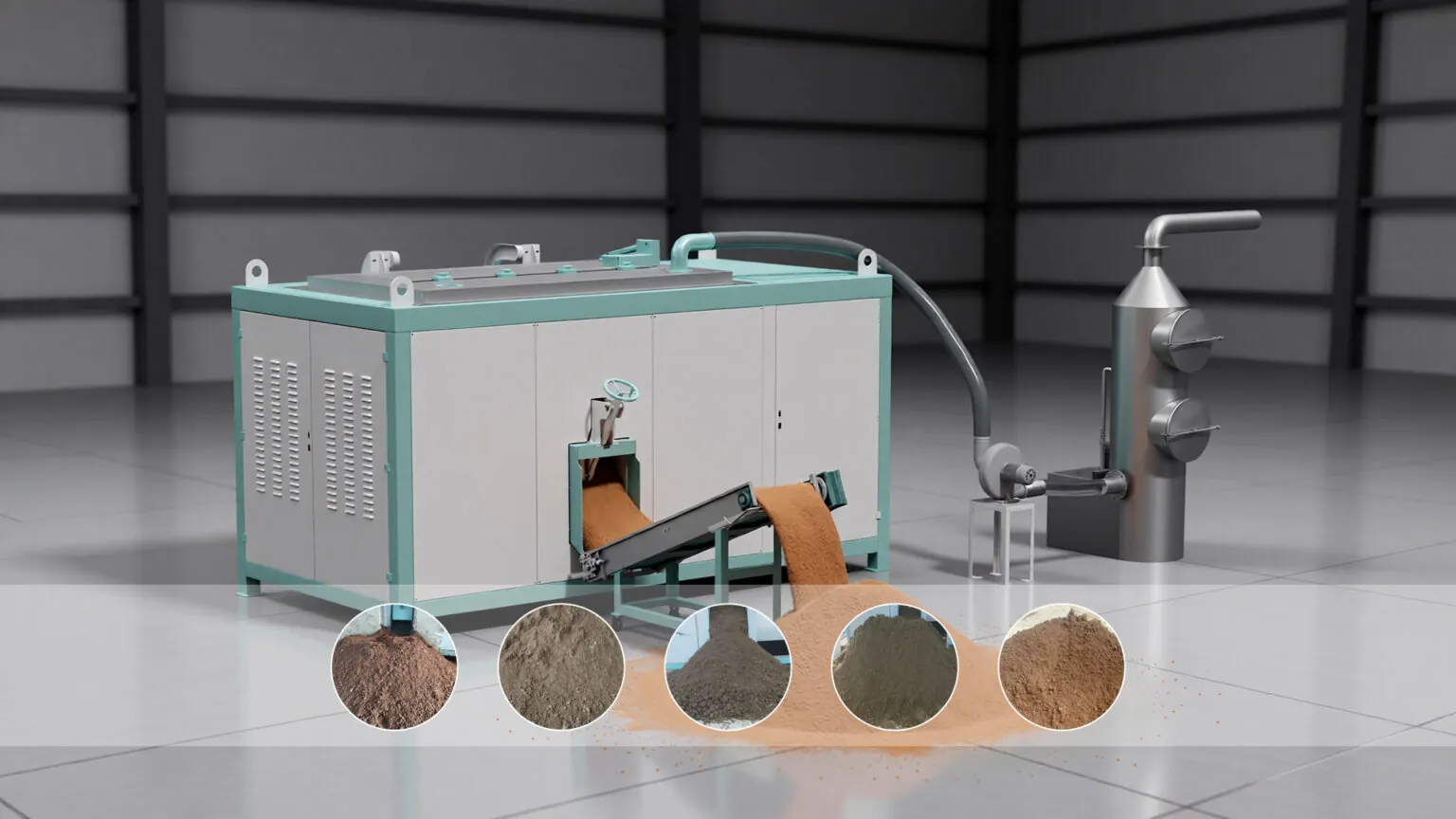
An automatic compost machine applies controlled biological processes to break down organic material. Machines like the CF 2000 manage temperature, aeration, and moisture with minimal manual intervention. The fundamental objective is to convert organic waste such as animal mortalities and farm residuals into stable compost that can be used or sold as a soil amendment.
From a cost perspective, automatic compost machines typically require less energy input than thermal processing. The main power draw comes from aeration fans, mixers, and control systems rather than high-temperature burners. With automated controls, labor requirements are also reduced, lowering personnel costs over time.
Comparing Cost Effectiveness
When comparing incineration to automatic composting, facilities need to assess both upfront and ongoing costs. The initial investment for an automatic compost machine may be comparable to smaller incinerators, but the recurring energy and compliance costs for incineration can exceed those of composting in many cases.
Automatic compost machines offer predictable operating costs because energy consumption and labor requirements are relatively stable. Composting also avoids the additional regulatory burden linked to air emissions, which can translate into savings on testing, permits, and mitigation measures.
There is a clear difference in how by-products are handled. Incineration eliminates waste but does not produce a reusable end product. Composting yields nutrient-rich material, which has value as a soil amendment. Facilities that integrate composting into their waste management plan can reduce waste disposal costs and potentially create a new resource.
Evaluating What Fits Your Facility
Choosing between incineration and an automatic compost machine depends on your facility’s priorities, regulatory environment, and long-term planning. At Cason, we help partners evaluate their options and consider both financial and environmental impacts. For many operations, an automatic compost machine provides a cost-effective and sustainable approach to managing organic waste. Thinking through these factors allows facilities to make informed decisions that align with their operational goals and community expectations.