
As industry demands evolve, slaughterhouses are under increasing pressure to adopt sustainable and cost-effective waste processing solutions. At Cason, we understand that managing by-products like bone, fat, and offal is not only a regulatory requirement but also a business opportunity. Investing in animal protein recycling equipment for slaughterhouse operations can transform waste streams into valuable resources, and one option many facilities consider is an animal carcass composting machine, such as our CF 2000. In this analysis, we explore how equipment pricing relates to return on investment and what factors slaughterhouse operators should consider when evaluating recycling solutions.
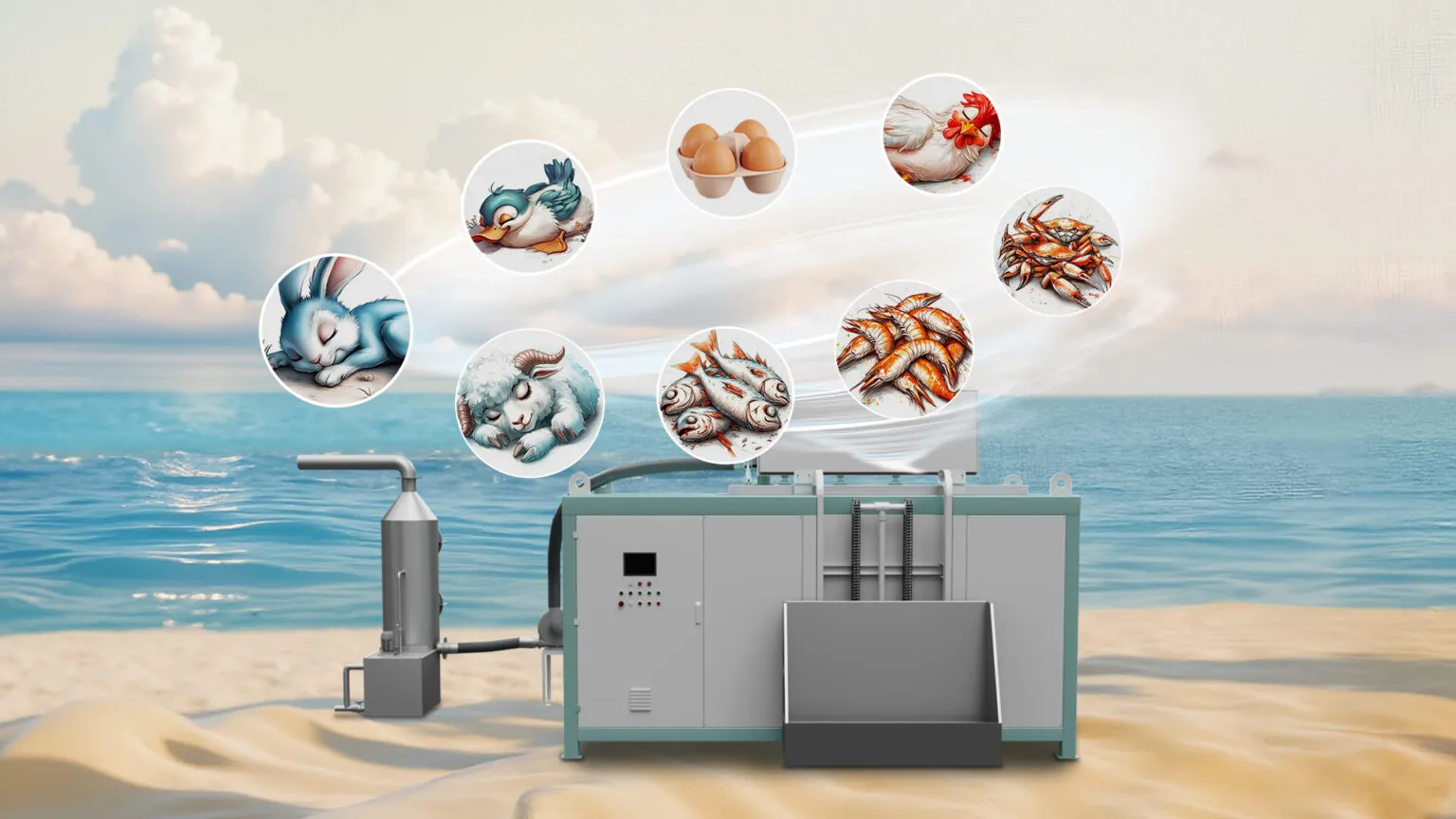
Understanding Equipment Costs and Value
When analyzing the price of animal protein recycling equipment, it’s important to look beyond the initial purchase cost. Slaughterhouses traditionally rely on rendering services, landfill disposal, or burial methods for organic by-products. These approaches often incur recurring fees and can present logistical challenges. An animal carcass composting machine converts organic materials into stable compost through controlled biological processes, reducing ongoing disposal costs and creating by-products that can be used as soil amendments or sold to agricultural partners.
The upfront price of equipment like the CF 2000 reflects its construction quality, processing capacity, and operational reliability. While the initial investment may seem significant, long-term savings and added value often outweigh the cost over time. For slaughterhouses with consistent waste volumes, owning on-site recycling technology can reduce dependency on third-party services and improve financial predictability.
Operating Costs and Efficiency
Beyond the purchase price, operating costs play a key role in determining ROI. Energy consumption, labor requirements, and maintenance should be factored into any cost assessment. Efficient animal protein recycling equipment for slaughterhouse facilities is designed to optimize processing cycles, manage feedstock variation, and maintain stable composting conditions. Systems that include automated controls and monitoring features help minimize manual labor and ensure consistent performance.
Properly managed composting not only reduces waste handling expenses but also lowers environmental compliance costs. Odor management and pathogen reduction are important considerations for slaughterhouses located near residential or agricultural areas. Equipment that maintains appropriate temperature and aeration levels supports regulatory compliance, helping facilities avoid fines or extra mitigation costs.
Revenue Opportunities From Nutrient Recycling
One of the most compelling aspects of investing in animal protein recycling technology is the potential to generate revenue from by-products. The end result of composting organic waste with an animal carcass composting machine is nutrient-rich material that can be used in landscaping, crop production, or soil reclamation. For slaughterhouses near farms or distributors, this presents an opportunity to create new revenue streams or reduce fertilizer purchases.
In evaluating price and ROI, slaughterhouse operators should consider the broader economic impact of resource recovery. The ability to turn waste into a marketable product strengthens sustainability profiles and can enhance relationships with partners focused on circular economy practices.
A Strategic Investment for Sustainable Operations
Choosing the right animal protein recycling equipment ultimately reflects a facility’s operational priorities. At Cason, we aim to support slaughterhouses in understanding both the cost implications and business advantages of on-site waste recycling. By considering purchase price alongside efficiency, compliance, and revenue potential, facilities can make informed decisions that benefit their bottom line and contribute to more sustainable practices. The result is a waste management strategy that supports cost savings today and builds value for the future.