
Sustainability in modern farming requires more than efficient crop management; it involves rethinking how organic waste is handled. Converting farm waste into usable fertilizer reduces environmental impact, lowers input costs, and supports circular farm operations. A high-temperature aerobic fermentation tank is central to an effective waste-to-fertilizer system, providing a controlled environment that accelerates composting and produces nutrient-rich outputs. Cason designs fermentation tanks to support farms in achieving these goals with reliable, efficient processing.
The Role of High-Temperature Aerobic Fermentation
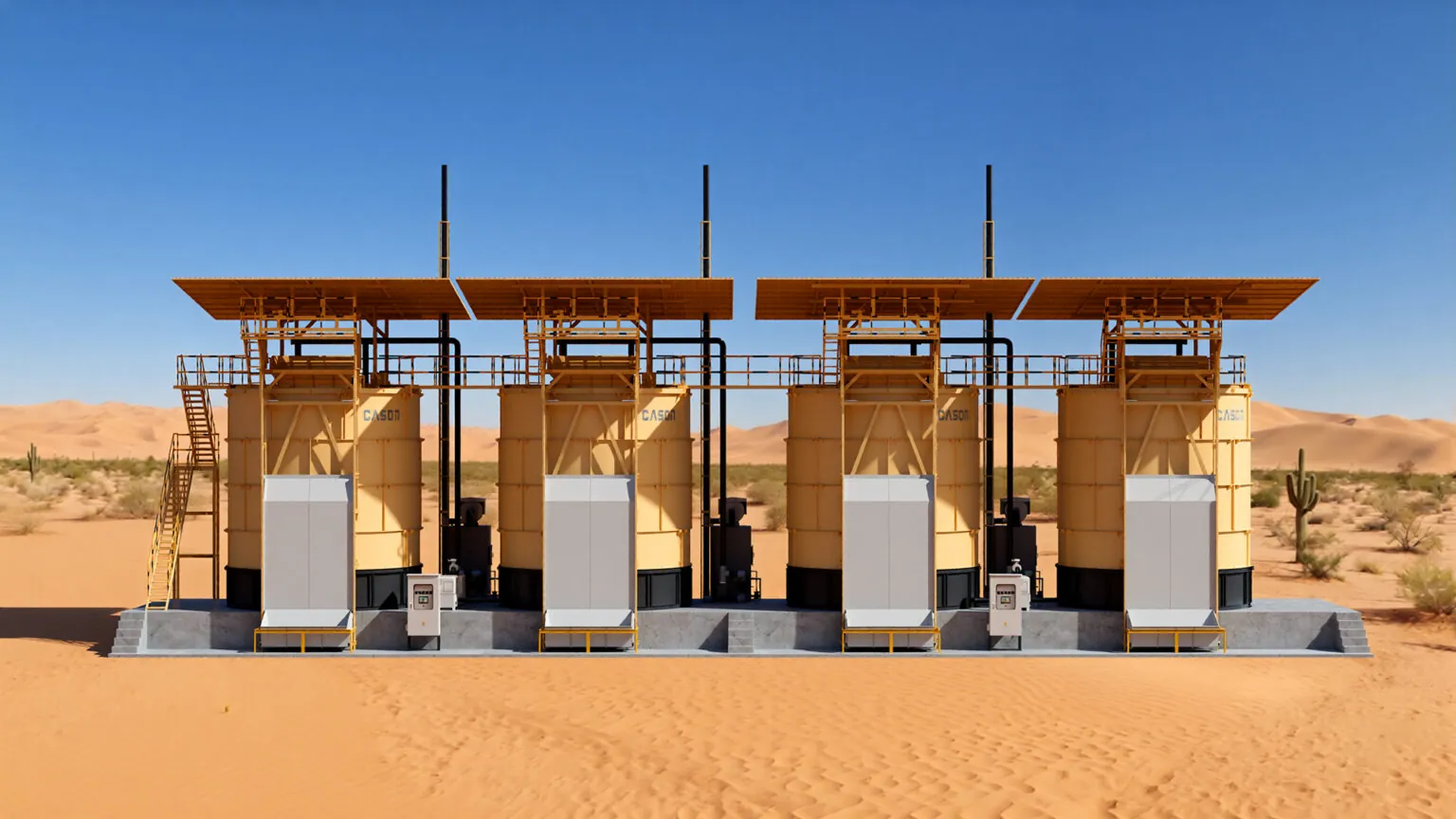
High-temperature aerobic fermentation tanks accelerate the breakdown of organic matter by creating thermophilic conditions that favor beneficial microbial activity. In a waste-to-fertilizer system, this process ensures that farm waste, including manure, crop residues, and food scraps, is transformed quickly and safely into stable fertilizer. Maintaining consistent temperature and aeration prevents the survival of pathogens and reduces odors, creating a more hygienic and environmentally sound operation. Cason’s high-temperature aerobic fermentation tanks are designed to maintain these conditions with precision, supporting uniform compost quality and predictable processing cycles.
Efficiency and Volume Management
Large-scale farms generate substantial amounts of organic waste daily, and traditional composting methods may be insufficient to handle high volumes efficiently. High-temperature aerobic fermentation tanks manage waste in a compact, controlled space, allowing farms to process more material without expanding the footprint of storage areas. By optimizing aeration, mixing, and temperature control, farms can accelerate fermentation and reduce the time required to produce usable fertilizer. The integration of a waste-to-fertilizer system not only addresses waste management challenges but also turns potential liabilities into valuable agricultural inputs.
Supporting Environmental and Economic Goals
Using a high-temperature aerobic fermentation tank as part of a waste-to-fertilizer system aligns with both environmental and economic objectives. Properly processed organic waste reduces nutrient runoff and lowers greenhouse gas emissions, contributing to more sustainable farm operations. At the same time, farms can produce their own fertilizer, decreasing reliance on commercial chemical products and lowering operational costs. A predictable and safe composting process ensures consistent nutrient content, which enhances soil health and crop yields over time.
Simplifying Farm Operations
Implementing a high-temperature aerobic fermentation tank simplifies the daily management of organic waste. Modern tanks from Cason are equipped with monitoring and control systems that allow farm staff to track temperature, aeration, and moisture levels with ease. This automation reduces labor requirements, ensures consistent processing, and allows operators to focus on other aspects of farm management while maintaining the waste-to-fertilizer system efficiently.
DT-280E for Reliable Waste-to-Fertilizer Conversion
For farms seeking a durable and efficient solution, Cason‘s DT-280E high-temperature aerobic fermentation tank offers a practical choice. Engineered for continuous operation, precise temperature control, and uniform aeration, the DT-280E supports consistent pathogen reduction and high-quality compost production. Integrating the DT-280E into a waste-to-fertilizer system allows farms to maximize sustainability, improve operational efficiency, and turn organic waste into a valuable resource that supports long-term soil and crop health.