
Efficient poultry waste management is an important concern for commercial farms, fertilizer producers, and waste treatment facilities. As poultry production expands, large volumes of manure must be processed in a controlled and environmentally responsible way. A poultry composting machine allows farms to convert manure into organic fertilizer while maintaining operational efficiency. Among the factors influencing equipment selection, energy consumption has become an important consideration for businesses seeking to reduce operating costs and environmental impact.
Understanding Energy Use in Poultry Waste Composting
Modern composting systems rely on electricity and mechanical power to maintain stable fermentation conditions. Components such as mixing shafts, aeration fans, heating systems, and automated control units all contribute to the total energy requirement of a poultry waste compost machine. Electricity typically powers the motors that rotate mixing blades or compost turners, while ventilation systems provide oxygen to support aerobic microbial activity during fermentation.
Energy demand can vary depending on machine design and capacity. Some commercial composting machines operate with motors ranging from a few kilowatts to around 30 kW, depending on processing scale and configuration. Smaller systems used by medium-sized poultry farms consume less electricity but process lower daily volumes. Larger systems designed for fertilizer plants require higher power input but offer greater throughput and efficiency.
Differences Between Traditional and Modern Systems
Traditional composting methods often rely on open windrows or manual turning processes that involve tractors or diesel-powered machinery. These systems require large land areas and repeated mechanical turning, which increases fuel consumption and labor costs. Modern poultry composting machines provide an alternative by integrating fermentation, mixing, and aeration in a single unit.
Advanced equipment improves energy efficiency by using optimized drive systems and automated control. Some compost turning equipment reports up to 25 percent lower energy consumption compared with older equipment designs. Efficient transmission mechanisms and high-performance motors also help reduce power demand while maintaining stable composting conditions. These improvements allow poultry farms to process manure continuously while controlling operational expenses.
Factors That Influence Energy Consumption
Several technical factors determine the energy performance of a poultry waste compost machine. The first is insulation and thermal control. Well-insulated fermentation tanks retain heat produced by microbial activity, reducing the need for additional heating energy. The second factor is aeration efficiency. Balanced airflow systems deliver oxygen evenly throughout the composting material, minimizing the energy required to maintain aerobic conditions.
Mixing design also plays a significant role. Efficient agitation ensures that poultry manure, bedding material, and organic additives are evenly distributed, reducing processing time and preventing energy waste caused by uneven fermentation. Automated monitoring systems further improve efficiency by adjusting aeration and temperature in response to real-time composting conditions.
Choosing an Energy-Efficient Composting Solution
For poultry farms and organic fertilizer producers, selecting the right equipment requires balancing capacity, automation level, and energy performance. A well-designed poultry composting machine not only processes manure effectively but also helps reduce electricity use and maintenance requirements.
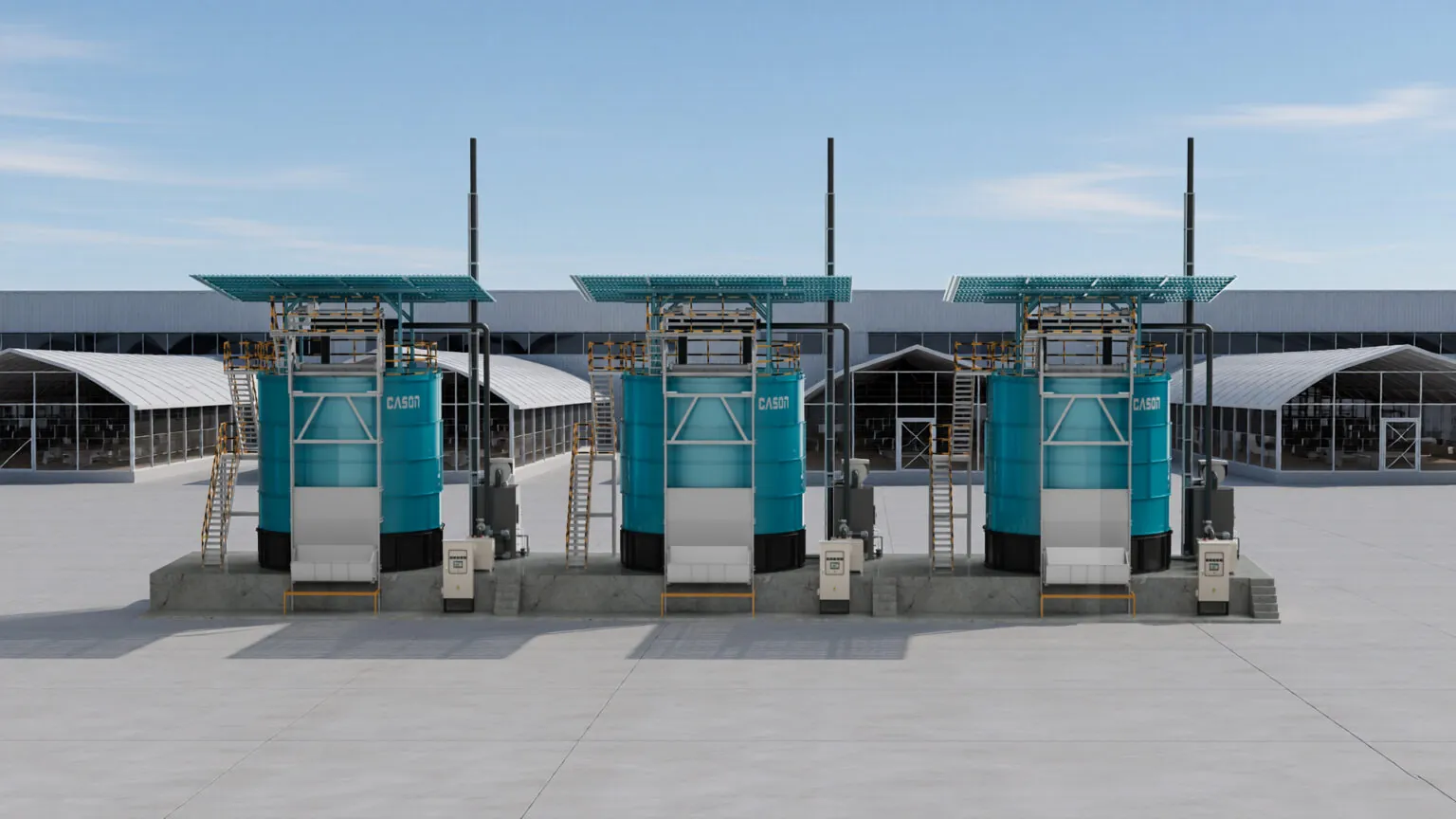
Cason develops composting solutions designed for stable fermentation and efficient operation. The Cason C-160E poultry waste compost machine integrates automated mixing, aeration management, and temperature control to support consistent composting performance. With a design focused on energy efficiency and reliable operation, the C-160E helps poultry farms convert manure into high-quality organic fertilizer while maintaining manageable energy consumption.