
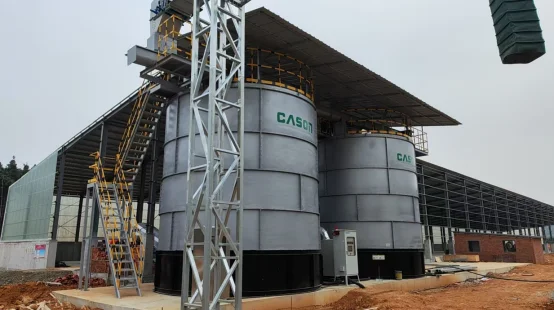
Raw manure piles cause bad smells and attract bugs. They also leak dirty water. The piles break down unevenly. Sometimes, the waste still gets hot after you put it on the field. A fertilizer fermentation tank fixes this. It turns farm waste into safer, drier, and better fertilizer material. Also, it uses way less space than big open piles.
A fertilizer fermentation tank handles animal waste quickly inside a closed space. It mixes the waste and adds air. It also controls the heat and cleans the exhaust. Because of this, tiny aerobic microbes can easily eat the organic matter. You just put the wet waste in at the top. Later, you take the finished stuff out from the bottom.
The Main Job Inside the Tank
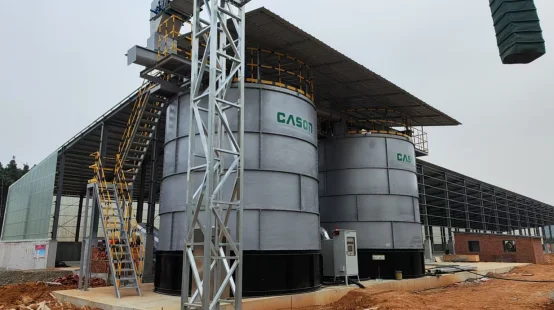
The main job is high-temperature aerobic fermentation. Inside, bugs eat the soft waste and make a lot of heat. Fans push air through the pile. At the same time, a big metal mixer breaks up hard lumps. This shows fresh parts of the waste to the air. The hot stage kills bad germs, bug eggs, and weed seeds.
It also pushes out water and cuts down on the awful smell. An organic fertilizer fermentation tank does much more than just dry out the waste. Drying only takes away water. But the raw waste can still act up. True fermentation stops the fertilizer from burning plant roots later. It also stops the waste from getting hot again.
How Does the Manure-to-Fertilizer Process Work?
Turning waste into fertilizer relies on biology. So, the tank has to make a perfect home for the microbes. It uses smart machine parts to do this.
Feed, Aerate, Mix, and Vent
First, you mix fresh waste with dry stuff if it is too wet. Then, you put it into the tank. A fan blows air into the bottom. Sometimes, air even comes out through holes in the mixing blades. Turning the waste spreads the air and heat around.
Another fan pulls out the dirty air. It takes the water vapor away. Then, it pushes the smelly gas into a special cleaning system.
Hold the Active Temperature Range
Inside a good aerobic fermentation tank, natural heat makes the waste reach 55 to 70°C. The main step takes about 7 to 11 days. This works best if the chicken or pig waste has the right amount of water. Smart sensors watch the heat, air flow, and machine health. When the waste comes out, it usually has 25 to 30 percent water left. This depends on what you put in.
What Farm Problems Can the Tank Solve?
A closed tank gives you better control over your waste. Open piles suffer in the rain and bad weather. The tank cannot fix bad mixing at the start. But it will cut down on neighbor complaints and save time.
Odor and Runoff
The closed tank locks the bad smells inside. It also keeps the rain out. The dirty air goes through filters and washes to get clean. This is very important if you live near houses or roads. Your farm yard stays much cleaner, too. You do not have to drag wet waste across the dirt anymore.
Pathogens, Space, and Daily Manure Output
High heat kills off dangerous germs. Also, a tall tank saves a lot of ground space. You can load waste into the tank every day. You can also take out the finished product on a set schedule. Many farms make waste every day but lack open land. For them, this steady routine is much better than waiting on big, messy piles.
What Materials and Conditions Does the Tank Need?
An animal manure fermentation tank can handle waste from chickens, pigs, and cows. It also takes other soft farm scraps. You have to change the mix based on water levels and chunk sizes. Even the best machines will fail if the waste is just a watery soup.
Moisture and Air Space
For chicken waste, the water level should be 55 to 65 percent. Most people aim for roughly 60 percent. Too much water fills up the air holes. This stops the air from moving and slows down the heat. It also makes nasty gases.
On the other hand, very dry waste will not work either. The tiny bugs need a little water to eat and grow. If the waste is too wet, you can squeeze it first. You can also mix it with straw, sawdust, or older dry waste. The mix must feel even. There should be no big wet lumps. This easy step saves time, power, and stops bad smells.
Can You Use the Discharged Material Right Away?
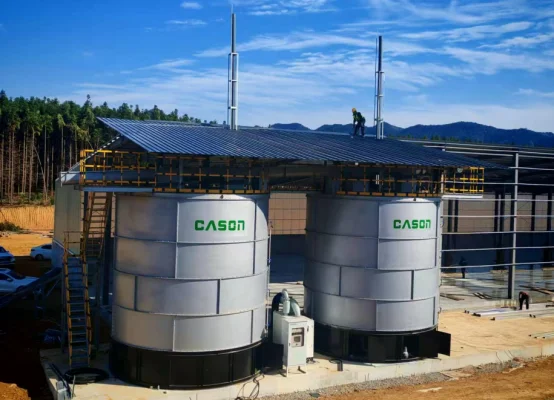
When the waste comes out, it is done with the hot stage. But what you do next depends on your goal. You cannot call it finished fertilizer right away. If you put it in bags too soon, the bags might swell up. The waste might also get hot again.
Farm Use and Commercial Sale
If you want to use it on your own farm, let it sit under a breezy roof. Leave it there for 5 to 7 days before putting it on your crops. Do you want to sell it in bags as commercial organic fertilizer? Then let it rest for 15 to 30 days. This extra time lets the last bit of heat escape. The bug activity will calm down, too. Of course, you still have to follow local rules and pass lab tests.
When Is a Fermentation Tank a Sensible Investment?
A tank is a smart choice if you get new waste every day. It also helps if smells are a big worry or if you lack space. Small farms might want to use cheaper open piles instead.
Before you check a fertilizer fermentation tank price, tell every seller the exact same details. Tell them your daily waste amount, weather, and space limits. Ask about the fans, mixers, and smell control. A cheap tank might use too much power. It might fail to clean the air. This will cost you more money later.
What Should You Expect from a Capable Supplier?
Once you know what you need, pick a maker with real skill. Do not just look for flashy features. The brand Cason helps with the whole job. They handle waste moving, enclosed fermentation, smell control, and setup. Their machines load and empty by themselves. You can check on them from your phone.
Cason uses a smart system that saves power and reuses heat. The company has 11 years of building experience. They also have 63 patented technologies and hold ISO papers. These things matter a lot. A fertilizer fermentation tank must fit your specific farm perfectly.
A good fertilizer fermentation tank manufacturer will pick the right size for your daily waste. They will plan for winter days and wet waste. They will link all the steps so you do not have to move things by hand. Always ask to see real numbers and visit a working farm before you buy.
FAQ
Q1: What waste can a fertilizer fermentation tank process?
A: It easily handles bird, pig, and cow waste. It also takes other soft farm scraps. Very wet soup needs to lose water or mix with dry stuff first.
Q2: How long does fermentation take?
A: Good chicken or pig waste finishes the hot stage in 7 to 11 days. The real time changes based on weather, water levels, and air flow.
Q3: Does a fermentation tank completely remove odor?
A: It cuts down wild smells a lot. It traps the bad air and cleans it. But bad water control or broken filters can still cause stinky problems.
Q4: Is tank discharge finished organic fertilizer?
A: It is mostly clean and safe. But you should wait 5 to 7 days for farm use. If you want to bag it, let it rest for 15 to 30 days first.
Q5: What affects fertilizer fermentation tank price?
A: Size, metal quality, fans, smart controls, and smell filters all change the cost. Look at the power use and the whole setup, not just the metal box.