
Installing a fertilizer fermentation tank is a site-readiness project, not a delivery-day task. The tank must connect to the feedstock route, utilities, ventilation or odor controls, drainage, discharge area and operating controls. If one interface is missing from the plan, the equipment can arrive before the site is ready to receive it.
At Cason, we review the selected tank together with the farm or organic-waste site. A useful starting package includes the feedstock type, normal and peak daily volume, moisture observations, site drawing, access route, available utilities and intended output. The service overview can help buyers frame the information needed for an engineering discussion.
Confirm the feedstock and installation basis
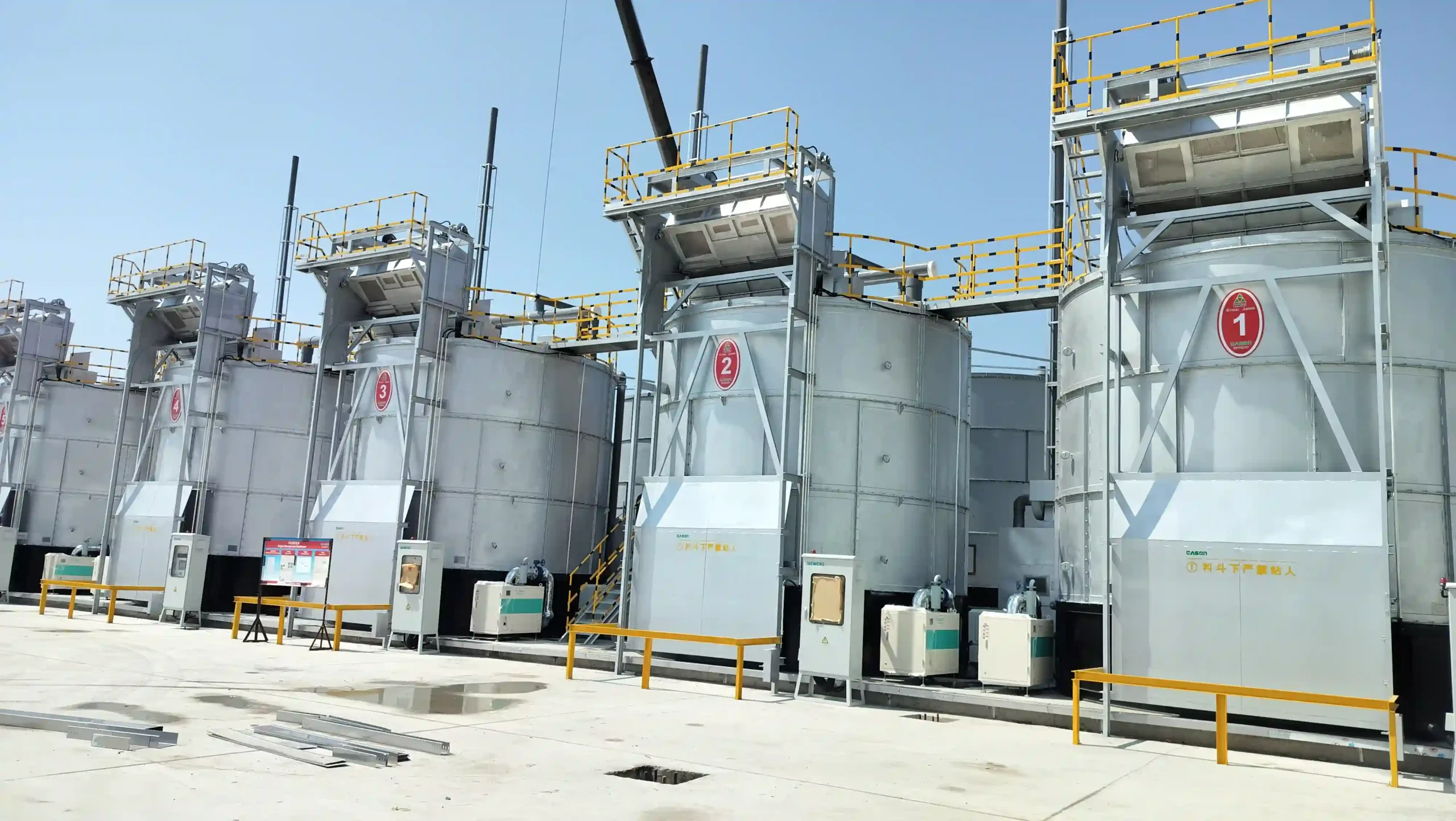
Start with what will actually enter the tank. Record the agricultural waste source, collection method, normal volume, recurring peaks, moisture variation, bedding or other mixed organic material and any temporary storage. A yearly average hides the conditions that affect feeding, mixing, cleaning and discharge.
The installation basis should state which data represents normal operation and which condition is treated as a design peak. It should also identify materials that must be screened or removed before they reach the equipment. Do not assume that a process shown on another farm can be copied without checking the new feedstock and site route.
Ask the project team to mark sampling points and safe cleaning points on the layout. Operators need a practical way to inspect incoming material and manage contamination without sending uncontrolled liquid into the equipment area. These decisions affect floor levels, access and drainage before any concrete work begins.
Check foundations and structural responsibilities
The civil team needs the approved equipment drawing and the loads that apply to the selected model. The information package should identify support points, service clearances, access platforms, anchor or connection details and any loads transferred through connected conveyors, ducts or pipework. Use the supplier’s current drawing rather than an old project file.
Do not publish a universal foundation size. Soil, local structural practice, equipment arrangement and site conditions determine the civil design. Instead, create a responsibility list that shows which party supplies the load data, who designs the foundation, who checks anchors and who accepts the finished civil work.
Leave space around the tank for inspection, cleaning, lifting and replacement of wear parts. A tight layout may fit on paper but prevent safe access to motors, covers, sensors or discharge connections. The product range provides first-party equipment context, while the project drawing controls the actual installation.
Reserve transport and lifting access
Trace the tank’s route from the site entrance to its final position. Check turning radii, overhead obstructions, road width, temporary storage, crane position and the sequence for unloading and erection. Include the route for large accessories and replacement components, not only the vessel itself.
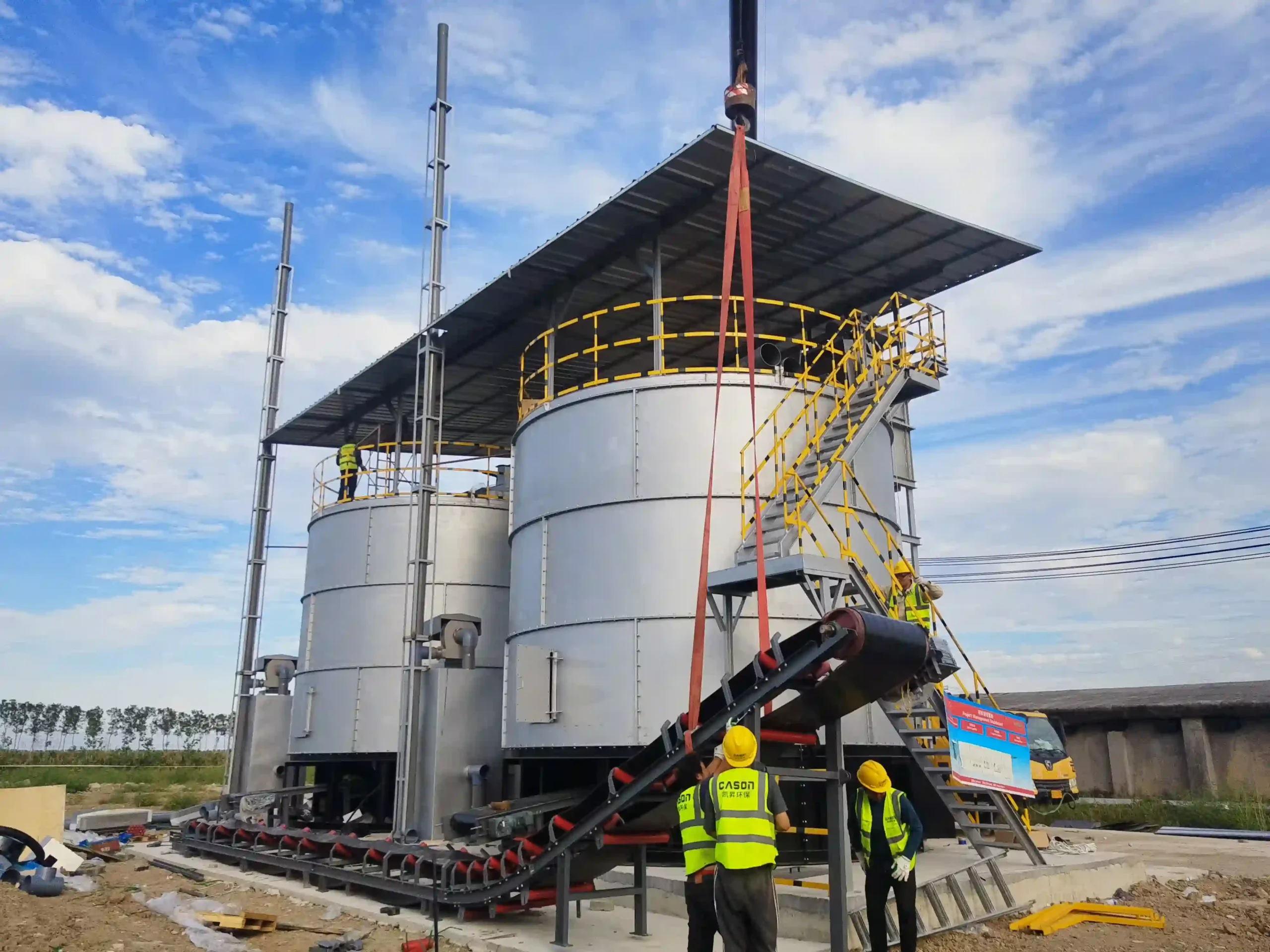
Agree the lifting boundary before delivery. Identify who supplies lifting plans, temporary supports, slings, signal control and exclusion zones. Weather, ground condition and simultaneous civil work may change the safe lifting window, so the plan should include a coordination contact and a method for stopping the lift when conditions change.
The access survey should also consider future maintenance. If the only route depends on a temporary construction road, record how a service vehicle will reach the tank later. This prevents a system that can be installed but cannot be maintained efficiently.
Prepare electrical and hydraulic interfaces
List every utility needed by the selected installation: incoming power, control power, grounding, water or washdown, drainage, compressed air or hydraulic services where applicable, and communication or control connections. Each line should have an owner, connection point, design information and acceptance check.
Avoid guessing motor ratings, cable sizes or hydraulic requirements. Those values belong to the verified model documents and the approved electrical design. The installation brief should instead require the supplier to issue the current data sheet and interface drawing before procurement of field services.
Place isolators and emergency stops where operators can reach them without entering an unsafe area. Mark cable routes, wet-area protection, guarding and access for testing. The control panel, local controls and site management system must share an agreed signal list before commissioning.
Route feed, discharge and air handling
The feed route should show where material is received, conditioned, transferred and introduced to the tank. Mark buffer points, cleaning access, spill containment and any transfer device. If the material is pumped or conveyed, confirm that the route can be inspected and cleared safely.
The discharge route needs the same level of detail. Define where treated material goes, how it is temporarily stored, how samples are taken and how vehicles or downstream equipment access the area. Keep incoming and treated routes separated where the site allows it, and include weather protection and drainage for the output area.
Air handling starts with an inventory of openings and air streams. Identify receiving, conditioning, tank exhaust, discharge and curing areas, then show whether each is open, enclosed or locally captured. Do not promise that one deodorization device solves every odor condition. Capture, housekeeping, storage, drainage and operating practice all affect the result.
Define commissioning and handover tests
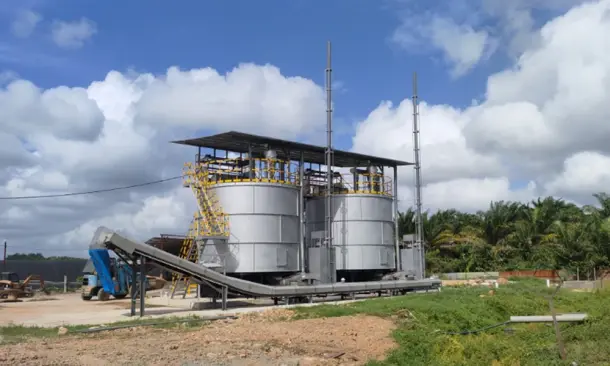
Commissioning should test both the tank and its interfaces. Check rotation or movement, feeding, discharge, alarms, interlocks, emergency stops, cleaning access, air routing and operator instructions. Use the agreed feedstock and design conditions when judging the process; an undefined demonstration load cannot establish the final operating basis.
Prepare a responsibility matrix for civil completion, electrical energization, field cabling, duct and chute connections, software settings, trial material, operator training and final sign-off. Record who can change a setting and how the change is documented.
The home page can provide general company context, but the handover package must refer to the selected equipment and the actual site. If local environmental, veterinary or agricultural requirements apply, the owner should verify them with the relevant local authority before operation.
Use a site-readiness checklist before delivery
Before the tank ships, confirm that the approved equipment drawings are current, the foundation and access plan are accepted, utilities have an owner, feed and discharge routes are clear, air handling interfaces are assigned, and commissioning responsibilities are written down. Keep unresolved items visible instead of marking the project complete because the tank itself is ready.
For a preliminary review, send the feedstock type, normal and peak daily volume, moisture observations, site plan, access route, utility information, intended output and local operating constraints through the contact page. Cason can then identify which installation inputs are confirmed and which require additional engineering review.
Record open items before the installation meeting
Keep a short open-item register beside the drawing. Useful fields include the question, responsible party, required input, due date, effect on delivery and evidence needed to close it. Typical questions concern the final tank drawing, foundation review, road access, lifting equipment, power connection, drainage, exhaust routing, field cabling and the material used for commissioning.
Review the register with the farm operator, civil designer, electrical contractor, environmental adviser and equipment supplier. Each party sees a different part of the installation risk. Closing the same item on one shared record prevents a verbal answer from being lost between a purchase order and a site visit.
If an item remains open at the shipping decision, state the temporary control and the person who can release the equipment. Do not hide an unresolved interface inside a general statement that the site is ready. A clear exception is easier to manage than a missing assumption discovered during unloading.
Before delivery, check that the final drawing revision is the one referenced by the purchase and civil teams. A revision register should show what changed, who reviewed it and whether the change affects foundations, access, utilities or commissioning. This small record prevents an old interface dimension from returning during installation.