
For farms operating across several locations, managing organic waste efficiently can be complex. Livestock manure, crop residues, and food by-products must be processed quickly while maintaining consistent environmental practices. This is where in-vessel composting becomes particularly valuable. In-vessel composting processes organic materials inside enclosed containers or systems where temperature, airflow, and moisture can be carefully controlled. This controlled environment accelerates microbial decomposition and helps convert waste into stable compost more efficiently than traditional open composting methods.
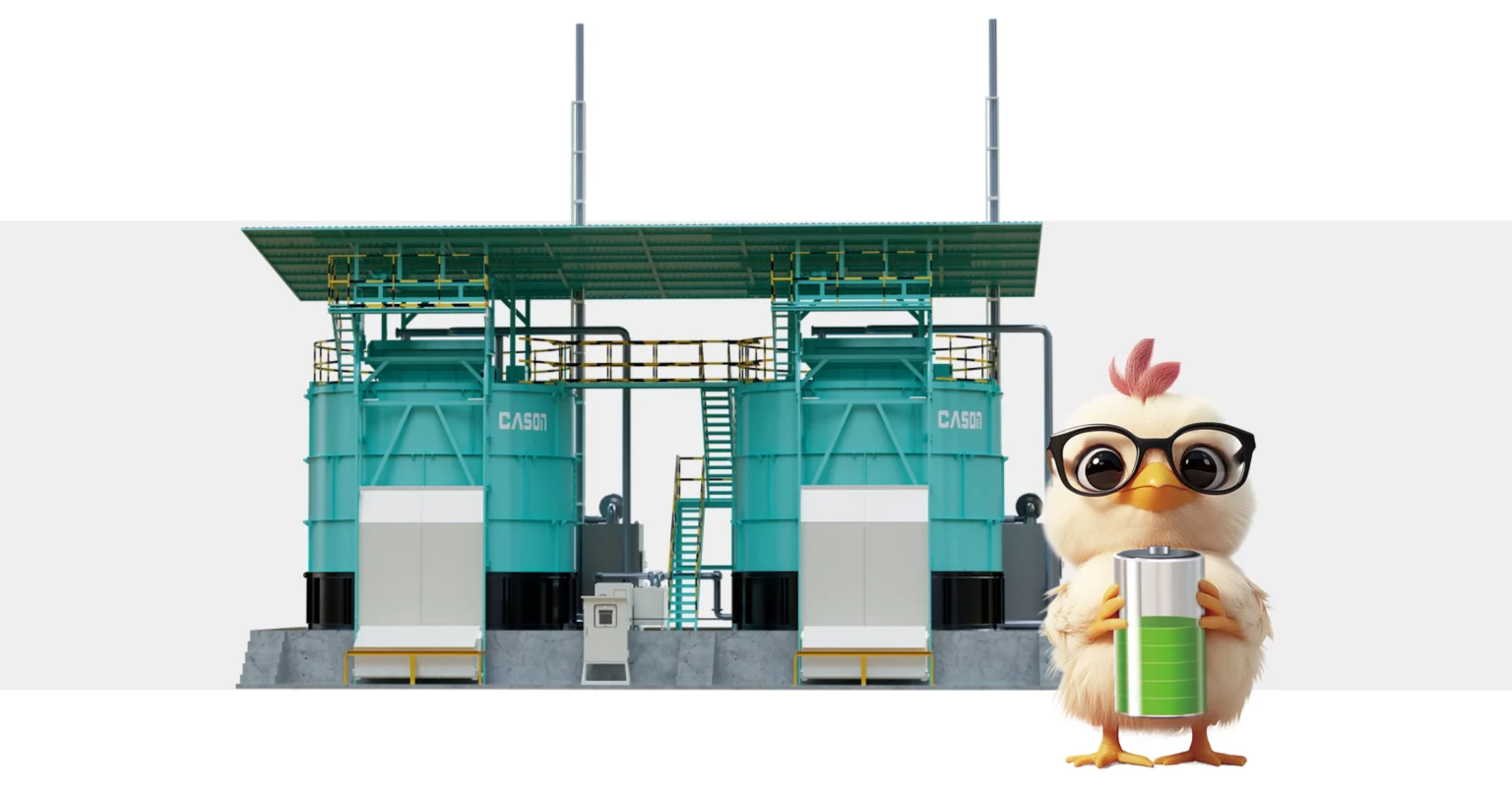
For multi-site farms, the challenge is not only composting waste but also adapting composting capacity and workflow to each location. Different farm units may produce different types or volumes of organic material. A customizable in-vessel composter helps address this operational diversity while maintaining consistent compost quality.
Why Flexibility Matters in Multi-Site Agricultural Operations
Large agricultural businesses often manage several barns, production units, or growing areas. Each site may have different waste streams, including manure, bedding material, or crop residues. A single fixed composting system may not meet all these needs.
A customizable in-vessel composter allows farms to adjust system capacity, feeding methods, and processing cycles according to the waste volume generated at each site. This flexibility helps ensure that organic waste is processed efficiently without creating bottlenecks in farm operations.
Another advantage is space efficiency. In-vessel composting systems generally require less land than open windrow composting while still maintaining strong microbial activity and stable temperatures. For farms operating near residential areas or within limited footprints, this compact design makes it easier to integrate composting directly into existing infrastructure.
Consistency and Biosecurity Across Farm Locations
Maintaining consistent compost quality across multiple farm sites is important for soil management and crop production. In-vessel composting systems provide controlled aeration, temperature, and mixing, which help ensure uniform decomposition.
High internal temperatures can also reduce pathogens, weed seeds, and pest eggs during the composting process. This is particularly valuable for farms handling large volumes of manure or organic residues. A controlled composting environment reduces the risk of contamination and improves the reliability of the finished compost product.
For farms managing multiple locations, consistent compost output means the final material can be applied confidently across fields or sold as an organic soil amendment.
Improving Operational Efficiency and Cost Control
Transporting organic waste between farm sites can increase labor, fuel costs, and environmental impact. With a customizable in-vessel composter installed at or near each location, farms can process waste closer to where it is generated.
In-vessel composting systems also automate aeration, mixing, and monitoring processes, which reduces manual labor while improving composting efficiency. Faster processing cycles allow farms to handle continuous waste streams without accumulating large storage piles.
By converting organic waste into usable compost on-site, farms can also reduce fertilizer expenses and improve soil structure over time.
Cason Solutions for Scalable Composting
At Cason, we understand that modern agricultural operations require flexible and reliable waste management systems. Our approach to in-vessel composting focuses on equipment that adapts to different farm sizes, waste types, and processing volumes.
The Cason system is designed as a customizable in-vessel composter that can support distributed farm operations while maintaining stable composting conditions. With controlled aeration, automated mixing, and efficient space utilization, our solutions help farms transform organic waste into valuable compost with consistent performance.
For multi-site farms seeking a practical and scalable composting strategy, in-vessel composting offers a structured and efficient path toward sustainable waste management and soil improvement.