
Selecting the appropriate organic waste composter machine is crucial for businesses aiming to manage their organic waste effectively. With various types of composters available, two popular options are vertical and drum composters. This article explores the benefits and limitations of each type, helping you decide which organic waste composter machine best suits your space and capacity needs.
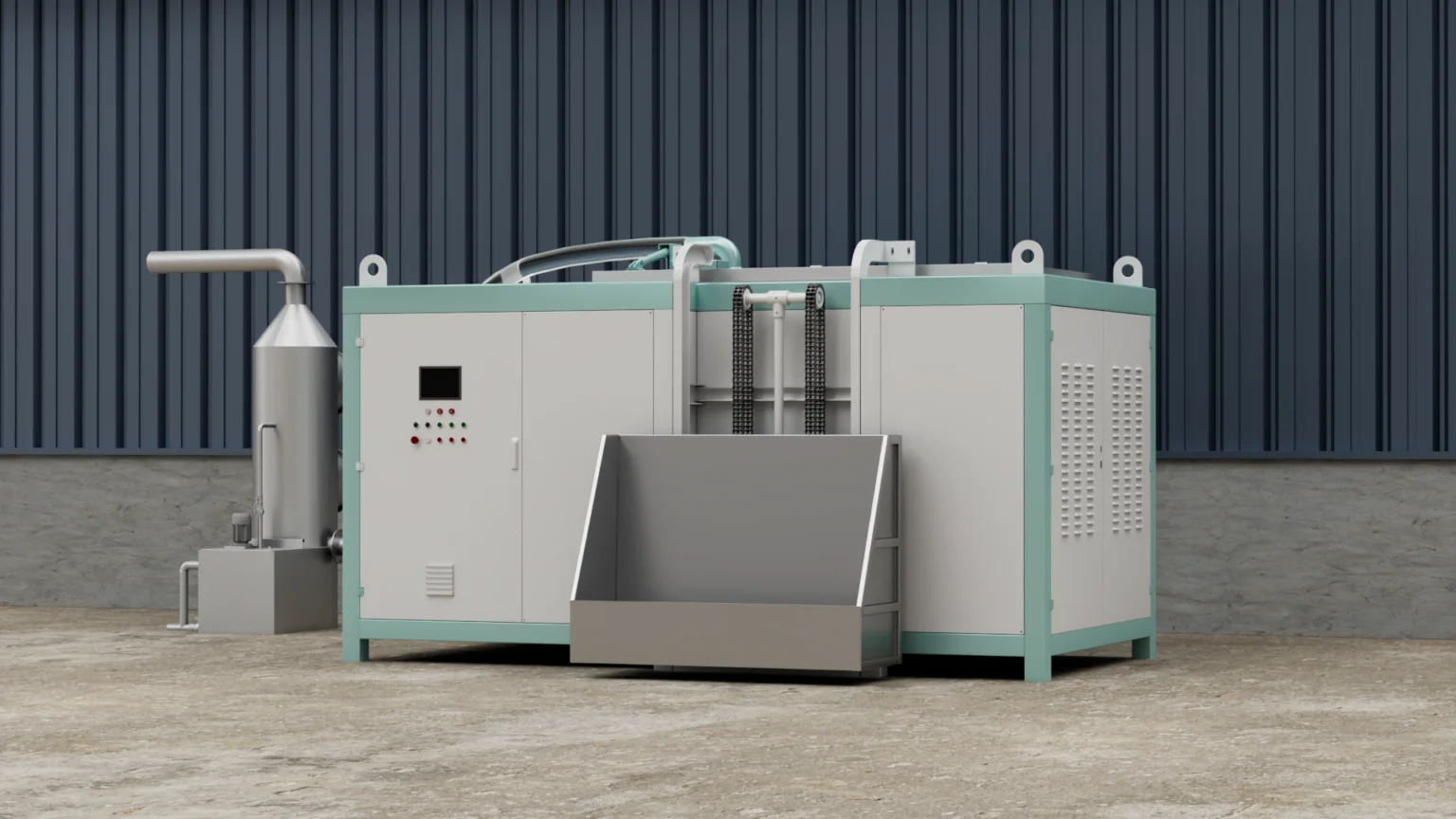
Understanding Vertical Composters
Vertical composters are designed to maximize space utilization, making them ideal for facilities with limited floor space. These units allow businesses to stack layers of organic waste, promoting efficient aeration and decomposition. The design facilitates faster composting cycles, generating high-quality compost more quickly than traditional methods.
For enterprises disposing of organic materials, vertical composters can be quite effective, especially if they need to process smaller volumes regularly. Featuring features like intelligent remote control, many modern vertical composters, including those from Cason CF-1000 Poultry and Livestock High-Temperature Harmless Treatment System, offer automated aerobic processing. This innovation significantly reduces energy consumption while ensuring efficient waste reduction.
Exploring Drum Composters
On the other hand, drum composters provide a more traditional approach to composting, suitable for businesses dealing with larger quantities of organic waste. These machines consist of a rotating drum that allows mixing and aeration of the composting material, thereby enhancing decomposition. Drum composters typically operate on a batch basis, making them well-suited for operations with periodic waste generation.
Energy efficiency is a key consideration when selecting a drum composter. Similar to vertical models, many drum composters can be equipped with intelligent controls for more effective management. However, they may require more space than their vertical counterparts.
Which Choice Aligns with Your Needs?
When determining the right organic waste composter machine, consider your available space and the volume of waste you manage. If your facility is tight on space but requires consistent, small-scale composting, a vertical composter may be the best solution. Conversely, if your enterprise generates larger amounts of organic waste and has room for a bulkier unit, a drum composter could be more efficient.
Regardless of the choice, both composter types contribute positively to sustainability efforts by minimizing landfill waste and creating valuable compost for agricultural use.
Partnering for Efficient Waste Management
At Cason, we prioritize the need for efficient and eco-friendly waste management solutions. By offering advanced options like the CF-1000 Poultry and Livestock High-Temperature Harmless Treatment System, we empower businesses to tackle organic waste effectively. Our energy-saving organic waste composting machine features intelligent remote control, ensuring a streamlined processing experience.
In choosing the right organic waste composter machine, consider factors like space, capacity, and operational efficiency. We are here to support your journey toward sustainable waste management, helping you make informed decisions for your business.