
Maintaining the right temperature during the composting process is crucial to achieving efficient decomposition of organic material. Polyurethane (PU) insulation plays a pivotal role in regulating this temperature, ensuring the effectiveness of your organic waste compost machine. Understanding its functions and benefits can lead to better compost quality and enhanced operational efficiency.
How PU Insulation Works in Composting
PU insulation acts as an effective thermal barrier within compost systems, minimizing heat loss and maintaining consistent temperatures throughout the composting process. By insulating the organic waste compost machine, heat generated by microbial activity is retained, which is essential for promoting the breakdown of organic matter. This retention of heat helps maintain the optimal temperature range of around 50°C, which is necessary for the efficient functioning of microorganisms that decompose organic waste.
Furthermore, during the final stages of decomposition, the temperature can be elevated to between 65-75°C. This peak is critical for pathogen elimination and to ensure hygienic compost production. With PU insulation, the organic waste compost machine can achieve these higher temperatures more quickly and maintain them longer, which ultimately leads to faster and safer composting.
Benefits Beyond Temperature Control
The advantages of PU insulation extend beyond mere temperature regulation. By improving the thermal efficiency of the organic waste compost machine, businesses can achieve significant energy savings. Reduced reliance on additional heating sources lowers operational costs and minimizes environmental impact, making your composting operations more sustainable.
Additionally, proper insulation reduces the risk of temperature fluctuations that can lead to inconsistent compost quality. Maintaining optimal conditions aids in producing high-quality compost, which is essential for agricultural applications and enhances soil fertility. The insulated environment also contributes to a more controlled odor management system, as seen with the deodorizer integrated into Cason’s organic waste compost machine, further improving user satisfaction and compliance with environmental standards.
Elevate Your Composting with Cason’s Expertise
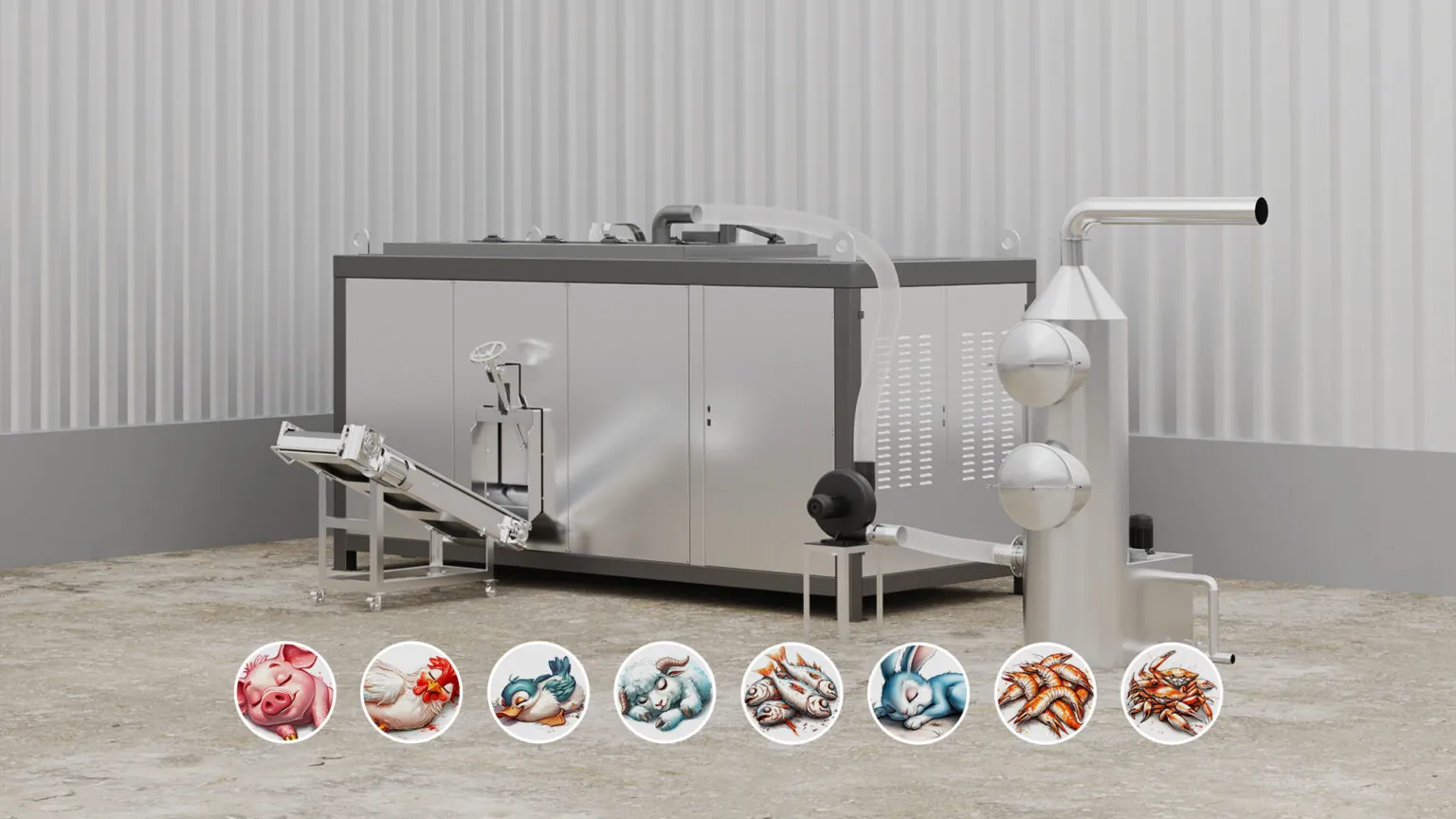
At Cason, we understand the complexities involved in effective composting processes, especially with our CF-1000 organic waste composting machine. This advanced organic waste compost machine is designed with a main composting unit that incorporates a mixing system and ventilation fan, ensuring rapid decomposition of organic waste at regulated temperatures. The robust construction coupled with PU insulation guarantees that your composting operations remain efficient and safe.
Our commitment to quality and innovation has made us a trusted partner in the agricultural sector. By choosing Cason, you invest in not just an organic waste compost machine but also a comprehensive solution that promotes sustainability and hygiene while enhancing productivity.
In summary, integrating PU insulation in your organic waste compost machine is vital for maintaining optimal composting temperatures. This enhancement not only promotes efficiency in decomposition but also supports sustainability and high-quality compost production. Let’s partner together to elevate your composting operations and achieve remarkable results with Cason.