
For businesses looking to manage organic waste efficiently, choosing the right commercial compost machine is essential. At Cason, we understand that selecting a machine goes beyond just processing capacity. The right equipment can improve composting efficiency, reduce operational costs, and produce high-quality compost suitable for various applications. Here, we outline seven critical criteria to consider when investing in a commercial compost machine.
Processing Capacity and Throughput
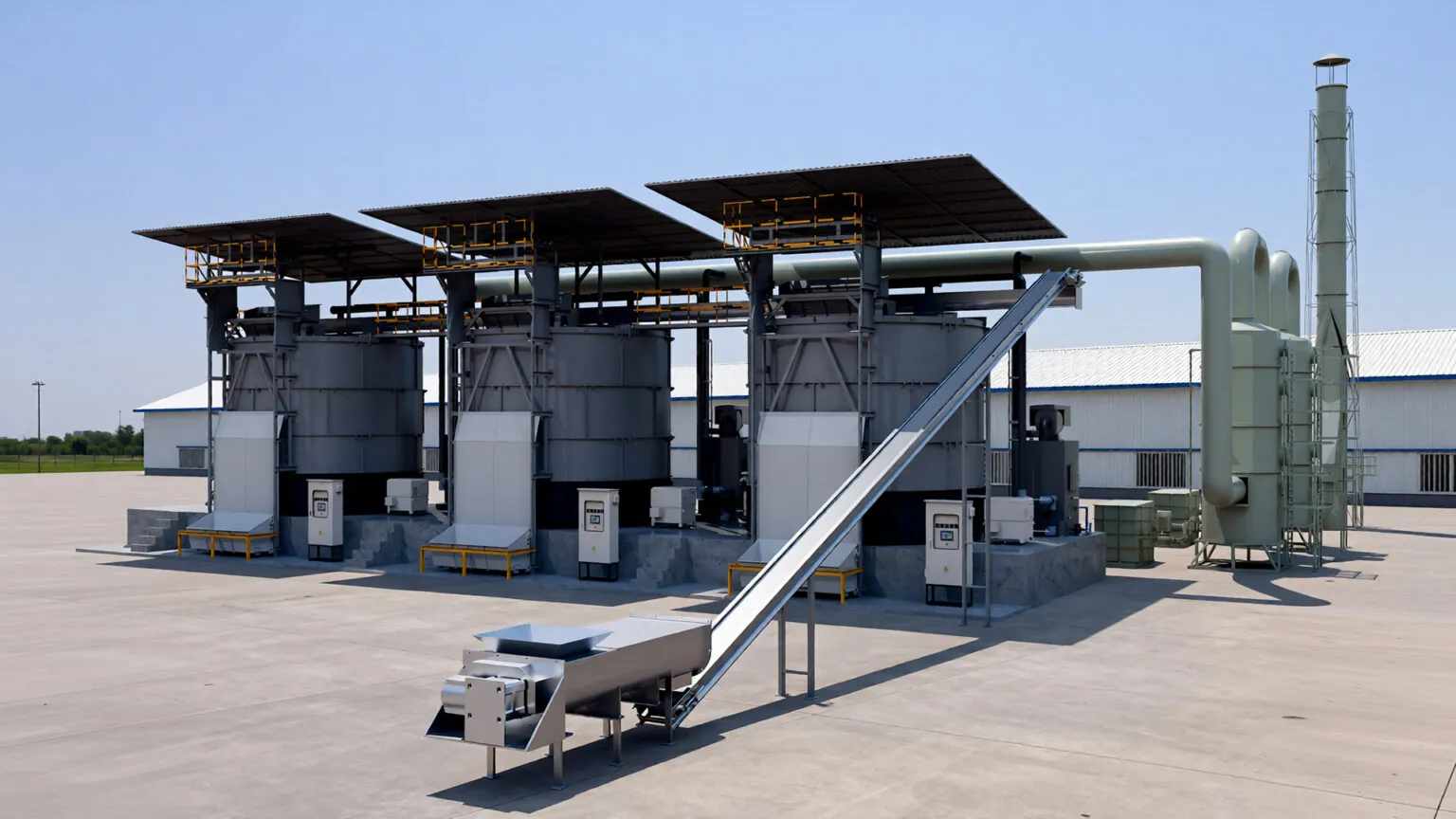
The first factor to evaluate is the processing capacity. Businesses need a machine that matches the volume of organic waste generated daily. A commercial composting machine should handle a steady flow of materials without frequent interruptions. Proper sizing ensures smooth operations and consistent compost output. Machines like the Cason C-120E are designed to manage significant quantities of organic waste efficiently, making them suitable for medium to large-scale operations.
Composting Cycle and Efficiency
The speed of composting and the efficiency of the breakdown process are crucial. Advanced machines optimize aeration, temperature, and moisture control, shortening the composting cycle while maintaining quality. Evaluating how quickly a machine converts raw organic waste into stable compost helps determine its overall efficiency and suitability for business needs.
Material Compatibility
Not all commercial compost machines handle the same types of organic material. Some machines excel with food waste, while others manage agricultural residues or garden waste better. Understanding the types of materials your facility produces ensures you choose a machine capable of processing them effectively. The Cason C-120E supports a wide range of organic inputs, offering flexibility for diverse waste streams.
Automation and Control Features
Automation plays a significant role in operational efficiency. Machines equipped with advanced control systems allow users to monitor temperature, moisture, and oxygen levels with minimal manual intervention. Features like programmable settings and remote monitoring reduce labor requirements and improve process consistency. The C-120E includes intelligent control options for a hands-off approach to compost management.
Energy Consumption
Energy efficiency is an important consideration for commercial operations. A machine that consumes excessive energy can increase operating costs significantly. Evaluating the power requirements and optimizing machine usage ensures sustainable and cost-effective operations without compromising performance.
Durability and Maintenance
Commercial compost machines are heavy-duty equipment expected to operate for years. Choosing a machine built with durable materials and accessible maintenance features helps minimizing downtime. Regular maintenance should be straightforward, with parts that are easy to replace and systems that are designed for long-term reliability.
Safety and Environmental Compliance
Finally, safety features and compliance with environmental standards are vital. Machines should include safeguards to protect operators from hazards and meet regulatory standards for emissions and waste management. Proper ventilation, sealed components, and clear operational guidelines help create a safe working environment.
For businesses seeking a high-efficiency commercial compost machine, Cason‘s C-120E offers a well-balanced solution. With strong processing capacity, flexible material handling, intelligent control systems, and durable design, the C-120E is ideal for facilities aiming to optimize their composting operations while ensuring consistent, high-quality output.