
Efficient management of organic waste has become a priority for hotels, campuses, and other large-scale food facilities aiming for sustainability and operational excellence. Cason offers a comprehensive range of food waste fermentation tank solutions that simplify the processing of kitchen and dining waste into safe, usable byproducts. By integrating advanced fermentation technology with auxiliary systems such as conveying, energy management, and electrical control, Cason ensures that facilities can maintain hygienic, odor-controlled, and low-labor operations. Selecting the right system is essential for achieving both short-term efficiency and long-term sustainability goals.
- Operational Efficiency
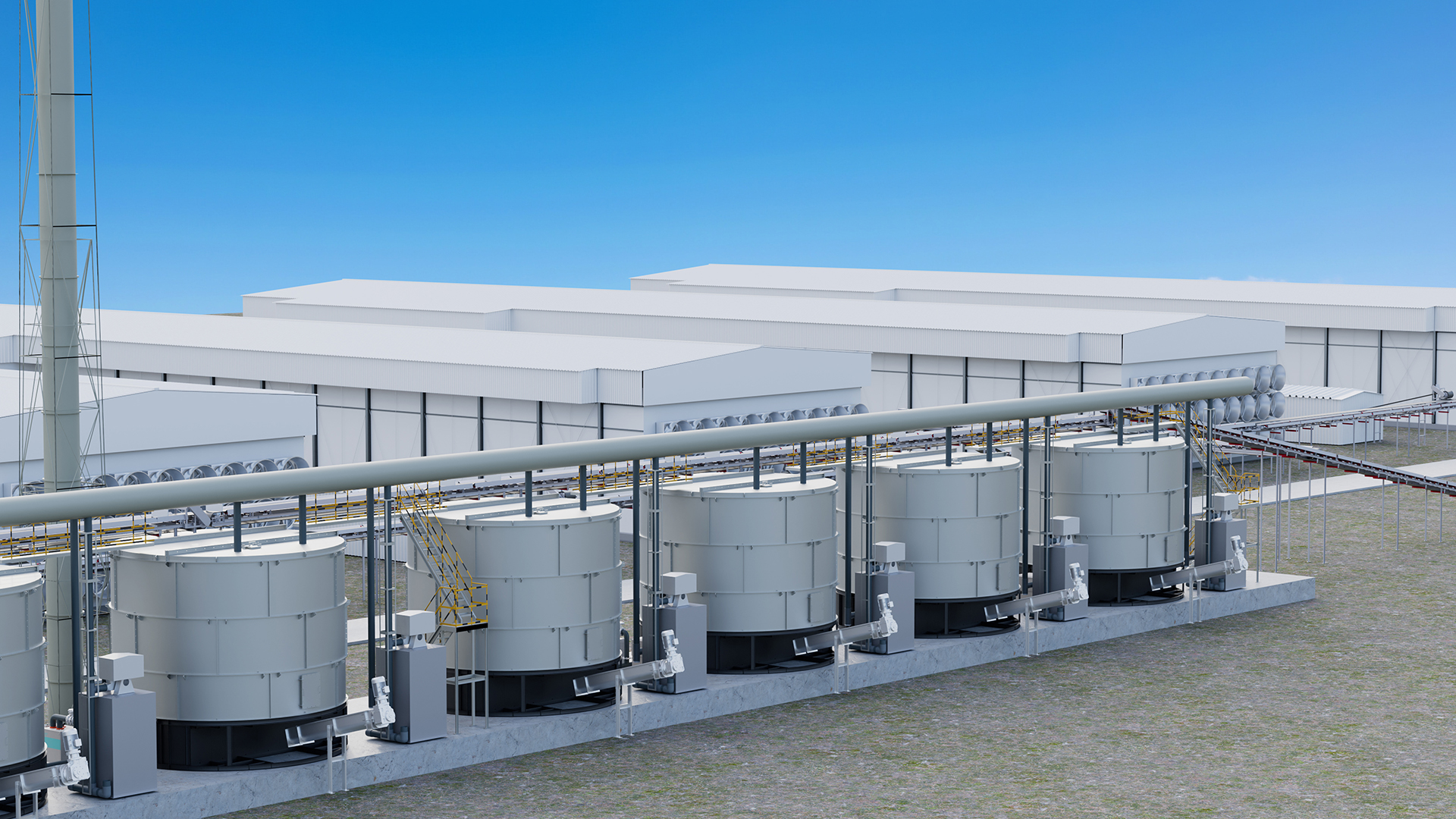
Selecting a reliable food waste fermentation tank is essential for maintaining smooth operations in commercial kitchens and large dining facilities. At Cason, our systems are designed to maximize operational efficiency by coordinating fermentation tanks with integrated auxiliary systems that reduce manual handling. The C-140E fermentation tank, for example, combines the core tank with conveying, energy-saving, and control modules to ensure continuous, stable, and efficient waste processing.
- Waste Handling Automation
Automation is a critical factor in reducing labor requirements and maintaining hygiene. A kitchen waste fermentation tank from Cason includes automated feeding and discharge mechanisms along with supporting systems that transport organic waste in a fully enclosed, continuous process. By linking the fermentation tank with these auxiliary systems, operators can maintain consistent workflows without frequent manual intervention.
- Environmental Impact
Sustainable operations are increasingly important for hotels, campuses, and other large-scale facilities. The Cason food waste fermentation tank converts organic waste into safe, usable byproducts while minimizing environmental impact. Enclosed fermentation processes limit odor emissions, and the integration with auxiliary systems such as material transport and energy-saving modules ensures that the overall process meets environmental regulations and reduces contamination risks.
- System Integration and Support
A well-integrated system is essential for reliable performance. Cason’s kitchen waste fermentation tank solutions are not standalone devices; the C-140E model works together with conveying, energy management, and control systems that complement the fermentation process. This integration allows multiple units to operate as a coordinated system across large campuses or hotel chains, maintaining uniform fermentation quality and operational consistency.
- Maintenance Requirements
Long-term maintenance is a key consideration when selecting a food waste fermentation tank. Cason provides guidance for routine upkeep of both the fermentation tank and its auxiliary systems. Regular inspection and maintenance of these combined components, including conveying and control modules, help prevent operational disruptions and maintain stable performance over time.
- Service and Reliability
Reliable customer support is as important as the equipment itself. Cason offers comprehensive pre-sale, installation, and post-sale services for all kitchen waste fermentation tank models. By providing technical assistance and ongoing follow-up, we ensure that every system, including the C-140E with its supporting modules, operates efficiently and meets client expectations over the long term.
- Overall Practicality and Sustainability
Choosing a food waste fermentation tank involves balancing efficiency, hygiene, automation, and environmental responsibility. Cason combines innovative design with practical automation and integrated support systems to deliver reliable and sustainable solutions. By implementing C-140E fermentation tanks with their auxiliary conveying, energy, and control systems, commercial kitchens and campuses can achieve safe, odor-controlled, and low-labor waste processing while supporting long-term sustainability goals.
Conclusion
Selecting the right kitchen waste fermentation tank is a strategic decision that affects both daily operations and long-term sustainability. Cason provides fully integrated solutions that combine advanced fermentation technology, auxiliary systems, and professional service to help hotels, campuses, and other large-scale food facilities manage organic waste efficiently and responsibly. By investing in high-quality equipment like the C-140E and leveraging its supporting systems, operators can maintain consistent fermentation quality, reduce labor, and meet environmental compliance standards, all while contributing to a cleaner and more sustainable facility environment.