
The waste composter machine industry continues to evolve as businesses seek more efficient and sustainable methods to handle organic waste. In 2026, companies that rely on a commercial compost machine will need to stay informed about emerging trends to remain competitive, compliant with environmental standards, and aligned with operational goals. This article explores five key trends shaping the industry and highlights why solutions like the Cason C-120E are becoming essential for modern waste management strategies.
Growing Demand for Automation
Automation is becoming a central focus in industrial composting. Waste composter machines are increasingly equipped with sensors, automated controls, and data monitoring systems that reduce manual labor and improve consistency. These technologies help operators maintain optimal temperature, moisture, and aeration levels without constant supervision. For businesses managing high volumes of organic waste, automation translates into predictable results and greater operational efficiency. Commercial compost machine models with smart features are now expected rather than optional, helping facilities reduce staff workload while maintaining performance.
Focus on Energy Efficiency
Energy consumption is a top concern for companies investing in waste composter machines. Rising energy costs and sustainability commitments are pushing businesses to choose machines that optimize power usage. Energy-efficient commercial compost machines use advanced insulation, precise airflow control, and variable-speed motors to reduce overall consumption. These improvements not only lower operational expenses but also support corporate goals related to carbon footprint reduction. As regulators tighten energy and emission standards, choosing an efficient waste composter machine will be an important part of long-term planning.
Integration With Waste Tracking Systems
In 2026, integration with broader waste management systems is expected to become standard practice. Waste composter machines that connect with facility-wide software allow businesses to track composting progress, measure waste diversion rates, and support reporting requirements. This trend aligns with the need for transparent sustainability metrics and audit-ready documentation. Facilities that adopt integrated monitoring can make data-driven decisions, identify inefficiencies, and demonstrate compliance with environmental reporting frameworks.
Customization for Varied Organic Waste Streams
Organic waste streams differ widely across industries, from food processing to landscaping operations. Manufacturers of waste composter machines are responding with customizable solutions that handle specific types of organic material more effectively. Flexibility in design allows operators to adjust cycle times, aeration patterns, and chamber configurations to suit their particular waste profile. This adaptability makes it easier for businesses to achieve consistent results and maximize compost quality, regardless of the mix of inputs being processed.
Emphasis on Scalability
As waste volumes increase, scalability is becoming an important consideration for businesses investing in composting technology. Companies no longer want systems that meet only current needs; they seek solutions that can expand as operations grow. Modular commercial compost machine designs allow facilities to scale up capacity by adding units or components without disrupting existing processes. This approach makes it easier to plan long-term investments and supports phased growth strategies in large facilities.
How Cason C-120E Fits Into These Industry Shifts
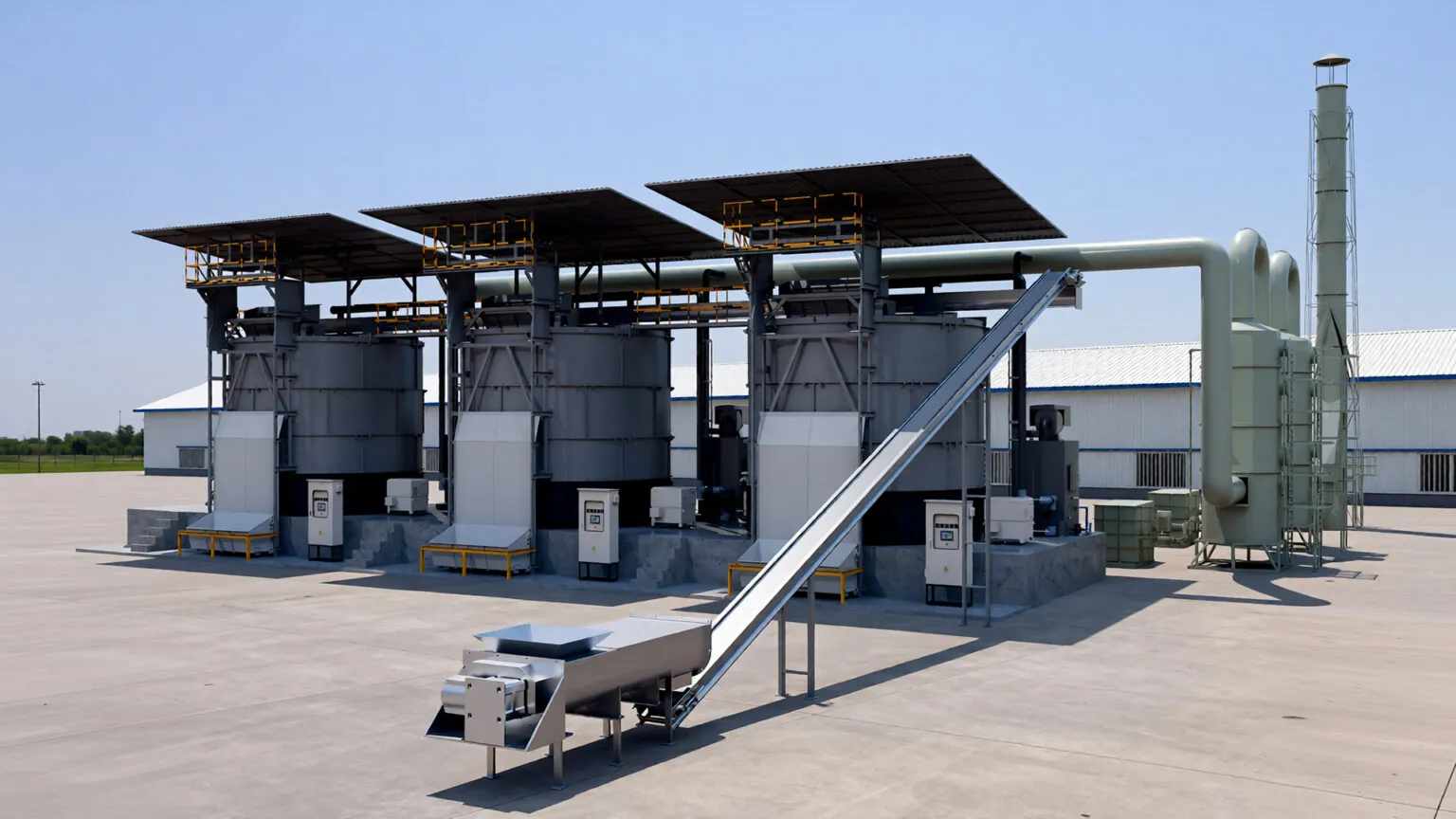
The trends shaping the waste composter machine industry in 2026 reflect a broader shift toward reliable, efficient, and adaptable solutions. The Cason C-120E commercial compost machine is designed with these trends in mind. Its automated controls help maintain optimal conditions with minimal intervention, and its efficient operation supports cost-effective waste management. For businesses planning for the future, the Cason C-120E offers consistent performance as part of a comprehensive organic waste strategy.