
Efficiently managing organic waste is a key challenge for many businesses today. As companies seek sustainable solutions for their waste management needs, the demand for advanced technology in composting has surged. Our organic waste composter machine not only meets these demands but also enhances productivity and operational safety. Here, we share expert tips to help you maximize your composting operations with our state-of-the-art CF-1000 Poultry and Livestock High-Temperature Harmless Treatment System.
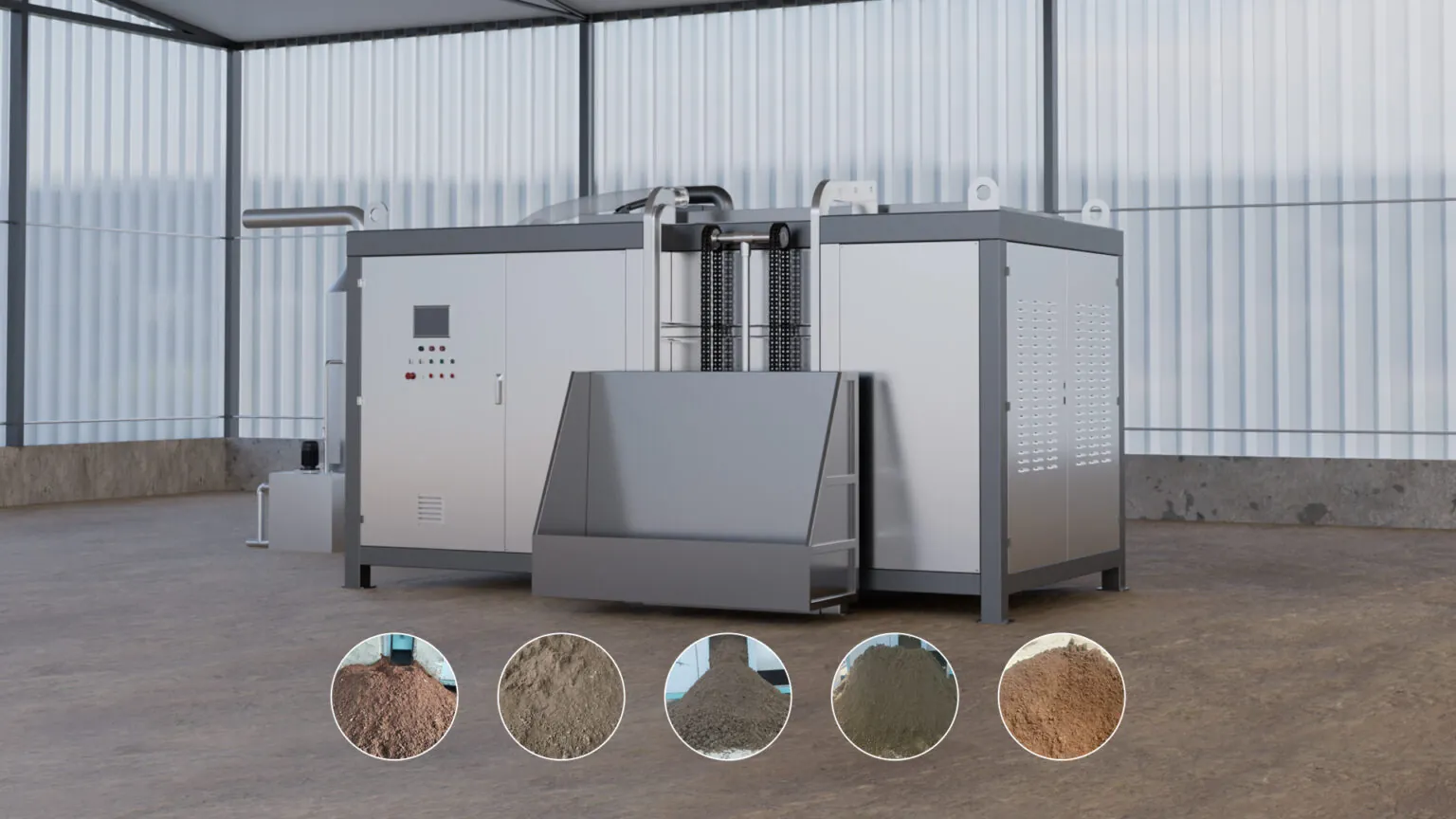
Understanding Your Organic Waste Composter Machine
The first step to getting the most out of your organic waste composter machine is understanding its key features. The CF-1000 is equipped with a Siemens PLC that automates process controls with high precision, ensuring optimal performance during composting cycles. By familiarizing yourself with this automation system, you can take full advantage of features designed to simplify operations, such as real-time monitoring via the 10-inch Kunlun Tongtai touch screen. This intuitive interface not only presents critical information at a glance but also allows for easy adjustments, facilitating smoother composting processes.
Regular maintenance is essential for upholding the efficiency of your organic waste composting machine. Stainless steel components resist corrosion, but routine inspections can mitigate wear and tear, ensuring longevity. Monitoring the performance indicators displayed on the touchscreen allows you to preemptively address potential issues before they escalate into more significant concerns.
Optimize Temperature and Conditions
High temperatures are crucial for effective composting, especially when dealing with poultry and livestock waste. To optimize the conditions within your organic waste composter machine, conduct periodic checks on the internal temperature and moisture levels. Adjusting these parameters accordingly will accelerate the breakdown process and enhance the quality of the final compost product.
You could also consider scheduling regular load cycles based on the specific waste types you are processing. For example, certain materials may require longer composting durations or different temperature settings. By tailoring the operational conditions to suit your needs, you ensure that the composting process remains efficient while maximizing output.
Collaboration and Training
Investing in staff training is just as crucial as selecting the right equipment. Engaging employees in the operation of the organic waste composter machine fosters a deeper understanding of its functionalities, allowing for better utilization of its features. Regular workshops or training sessions will empower your team to operate the machine confidently and efficiently, fostering a culture of sustainability within your organization.
At Cason, we believe in providing businesses with the tools and expertise needed to effectively manage organic waste. Our commitment extends beyond offering world-class products. We work with you to ensure that your organic waste composting machine delivers reliable, long-lasting performance, turning waste into valuable resources for your business. Let’s work together towards a greener future.