
Operating large-scale organic waste composting machine requires diligence, especially in ensuring safety protocols are followed. Understanding the potential hazards and best practices can enhance both operational efficiency and worker safety. This article outlines crucial safety tips for effectively managing OWC composting machines.
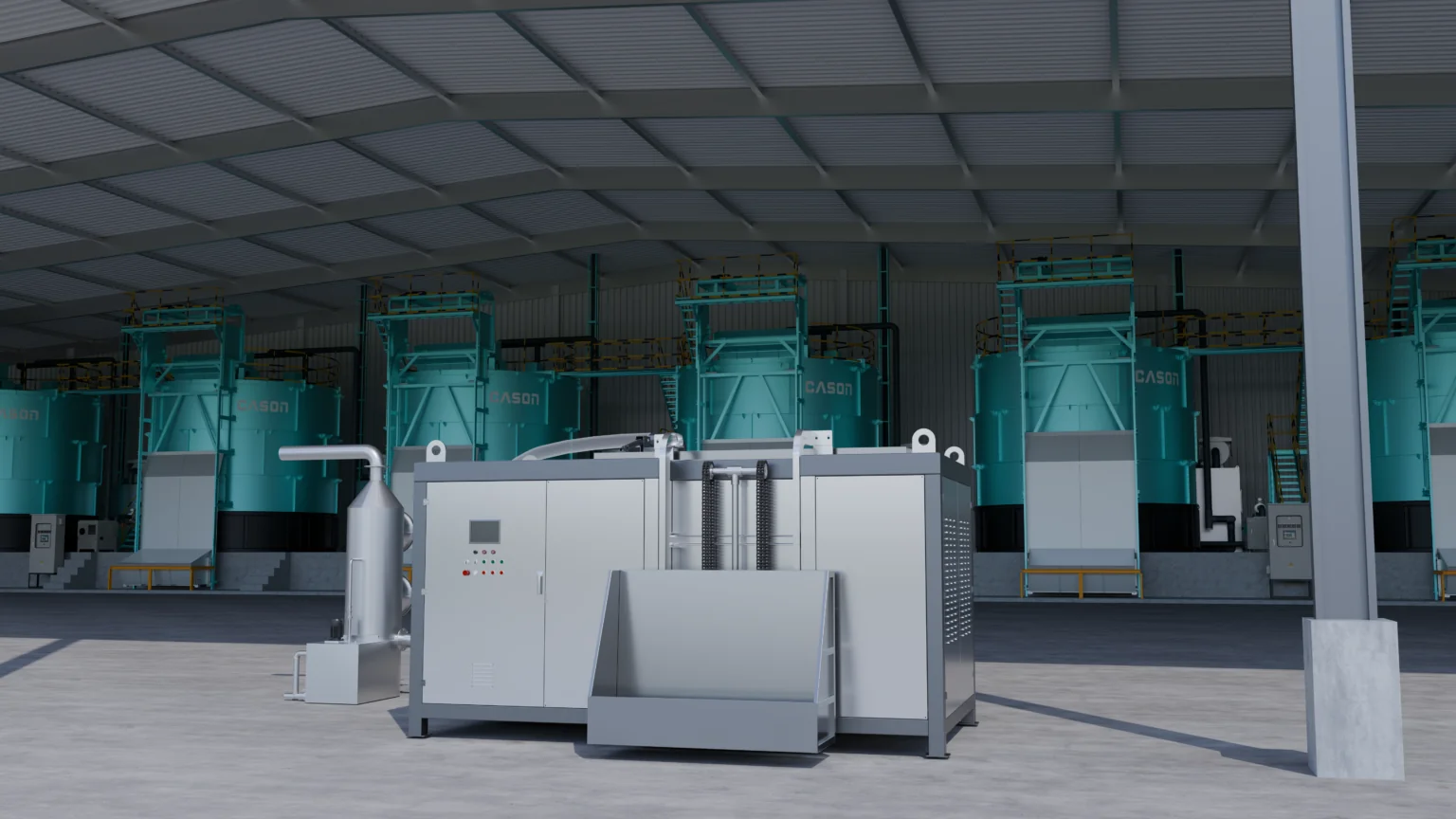
Understanding the Components of Your OWC Composting Machine
Familiarizing yourself with the components of an organic waste composting machine is essential for safe operation. The CF-1000 Poultry and Livestock High-Temperature Harmless Treatment System, for example, consists of a main composting unit featuring a mixing system and a ventilation fan. These components work together to stir the waste and promote aerobic decomposition, typically at temperatures of 50°C or higher.
When operating the OWC composting machine, it is critical to understand how to control these temperature levels effectively. The system’s ability to automatically increase the temperature to between 65-75°C during the fermentation process is key to eliminating harmful pathogens. Ensuring the temperature controls function correctly can prevent issues related to incomplete composting or potential health hazards.
Implementing Effective Safety Protocols
Safety protocols should be a part of daily operations. Operators must always wear appropriate personal protective equipment (PPE), including gloves, goggles, and masks. These items protect against exposure to potentially harmful substances, including dust and odors released during the composting process.
Regular maintenance and inspection of the OWC composting machine are vital for ensuring safety. This includes checking for any mechanical issues, monitoring the functionality of the ventilation system, and ensuring the deodoriser is effectively reducing foul odors. Keeping the equipment clean and well-maintained also minimizes the risk of accidents and enhances the overall efficiency of the composting process.
Proper training for all staff members operating the organic waste composting machine is also essential. Training programs should cover emergency procedures, safe handling of materials, and how to respond in the event of equipment malfunction. Creating a culture of safety within the team encourages vigilance and proactive problem-solving.
Committing to Safety and Sustainability
The safety of your operation should always be a top priority when managing large-scale OWC composting machines. By understanding the equipment, enforcing safety protocols, and providing comprehensive training, you can create a safe working environment for your team.
At Cason, we are dedicated to providing high-quality organic waste composting machines that prioritize both safety and efficiency. Our CF-1000 system not only ensures rapid decomposition and effective pathogen elimination but also incorporates features that support safe and hygienic operation.
Choosing Cason means choosing a partner committed to enhancing waste management practices while creating a cleaner and greener future. Together, we can foster a sustainable approach to organic waste through safe and effective composting solutions.