
Choosing the right fermentation system for organic waste processing is crucial for businesses aiming to enhance efficiency and sustainability. As market demands evolve, the debate between PLC-controlled fermentation systems and traditional methods has gained momentum. Understanding the advantages of each can guide companies in selecting the optimal organic fertilizer fermentation tank for their operations.
The Advantages of PLC-Controlled Systems
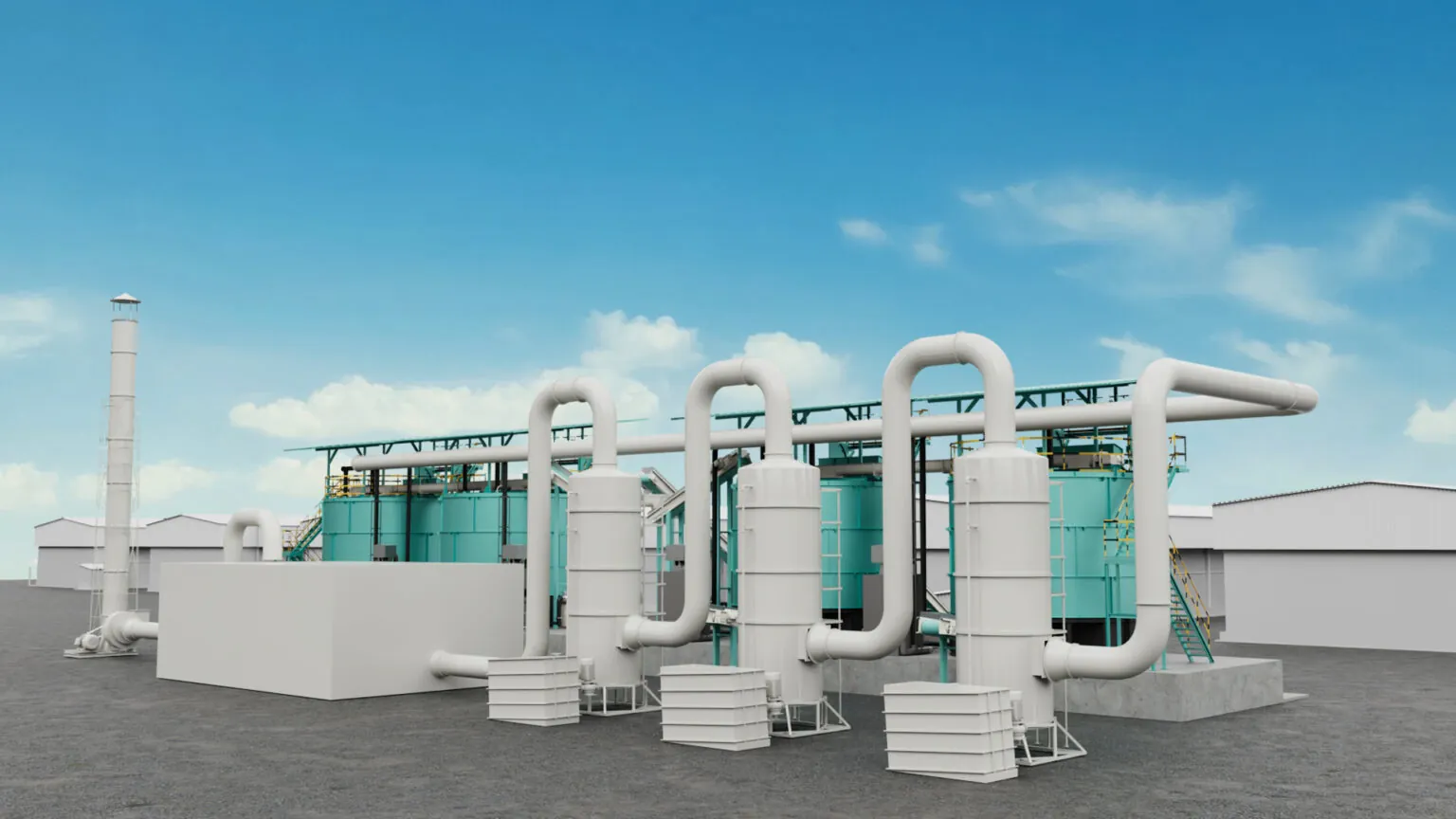
PLC (Programmable Logic Controller) technology brings automation and precision to fermentation processes, particularly for organic waste. These systems are designed to streamline operations, allowing for real-time monitoring and adjustments. The C-90E, an organic fertilizer fermentation tank, utilizes PLC technology to ensure optimal conditions for fermentation, enhancing stability and efficiency.
One significant advantage of PLC-controlled systems is their energy efficiency. Data from farms across regions, including Vietnam and Malaysia, highlights that Cason’s fermentation tanks achieve up to 40% energy savings. This efficiency not only reduces operational costs but also supports sustainable practices by minimizing energy consumption.
Moreover, PLC-controlled fermentation tanks handle larger volumes of organic waste with greater consistency, making them ideal for businesses looking to scale their operations. The ability to automate monitoring and control processes results in more reliable fermentation outcomes, essential for producing high-quality organic fertilizers.
Traditional Fermentation Methods: Pros and Cons
While PLC-controlled systems offer numerous benefits, traditional fermentation methods might still appeal to some businesses. These methods often rely on manual monitoring and adjustments, which, while less efficient, can provide a sense of control. However, the lack of automation can lead to inconsistencies in fermentation quality and energy usage.
Traditional fermentation tanks may also have lower initial costs, making them attractive for smaller operations or startups. However, they often come with higher long-term operational costs due to increased energy consumption and labor needs.
Additionally, as the demand for organic fertilizers grows, businesses using traditional methods may struggle to keep up with production requirements. While they can still produce effective fertilizers, the efficiency and scalability provided by PLC-controlled systems are difficult to match.
Making the Right Choice for Your Business
Selecting between a PLC-controlled fermentation tank and a traditional system depend on various factors, including scale, budget, and long-term operational goals. For businesses aiming for high efficiency and reliability, Cason’s organic fertilizer fermentation tanks, such as the C-90E, represent a proven option for processing organic waste effectively.
By leveraging our PLC technology, companies can ensure they stay competitive in the evolving market, enhancing their production capabilities while achieving significant energy savings. Investing in modern solutions today paves the way for sustainable practices in the future.
Partnering with Cason for Quality Solutions
At Cason, we are dedicated to providing high-quality fermentation tank for organic waste that our customers trust. Our C-90E model exemplifies durability and performance, backed by positive reviews from clients around the globe, including Vietnam and Thailand. Together, let’s embrace innovative fermentation technologies to transform organic waste into valuable resources and foster a sustainable future.