
Effective organic fertilizer production starts with careful management of moisture levels. When processing cow manure into high-quality fertilizer using a cow manure organic fertilizer fermentation tank, maintaining the right moisture balance is essential for consistent microbial activity and efficient decomposition. Too much moisture can slow fermentation and cause unpleasant odors, while too little moisture can stall the breakdown of organic material. For businesses focused on productive and clean recycling of livestock waste, a controlled system ensures better outcomes compared with traditional pile methods. At Cason, we emphasize practical approaches to moisture control that support both operational efficiency and environmental goals.
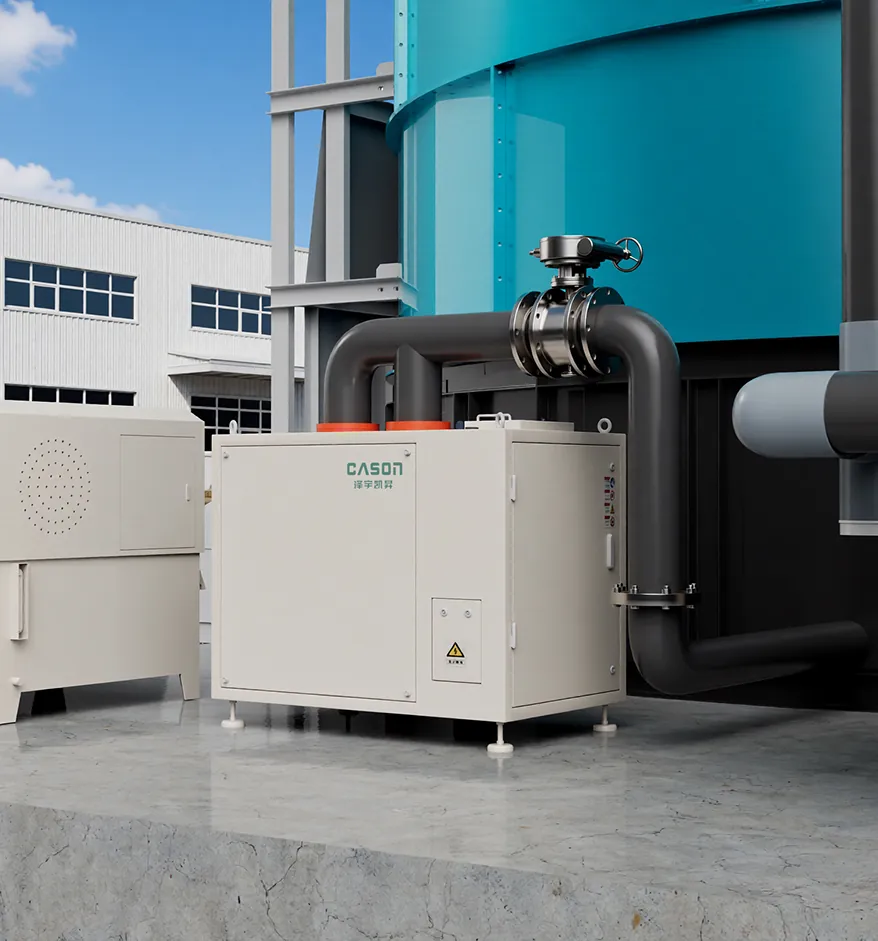
How Moisture Influences Fermentation in a Cow Manure System
In aerobic fermentation, microorganisms break down organic matter most effectively within a specific moisture range. In a fermentation tank environment, moisture affects oxygen availability, microbial metabolism, and the physical structure of the substrate. When cow manure is properly conditioned and added with complementary materials such as crop residues or bedding, the mixture’s water content must be monitored and adjusted. Excessive moisture fills the air spaces between solids, reducing oxygen diffusion. This damp, compact environment slows microbial activity and leads to anaerobic zones, which can reduce product quality and increase odor risk. On the other hand, overly dry conditions inhibit microbial growth and slow decomposition, requiring longer processing times and more energy input.
Using a poultry composting machine in conjunction with a fermentation tank offers a controlled process where moisture and aeration can be adjusted dynamically. These machines, equipped with automatic water distribution and circulation capabilities, help maintain a stable environment conducive to efficient composting. For operations that handle mixed livestock waste streams, integrating mechanical composting with tanks enhances moisture regulation and accelerates organic transformation.
Best Practices for Moisture Management in Fermentation Tanks
Achieving the desired moisture balance starts before feeding materials into the tank. Pre-mixing cow manure with dry bulking agents like straw or sawdust improves structure and water retention while preventing compaction. Regular monitoring during fermentation is essential. Sensors and manual checks can help track moisture levels and guide adjustments, whether through adding water or increasing aeration. In structured systems, automated control panels can respond to real-time data to optimize conditions without constant labor input. At Cason, we focus on developing equipment that simplifies these tasks, enabling producers to maintain consistent quality with less manual intervention.
Integrating Technology for Cleaner, Efficient Operations
When moisture levels are optimized, the organic fertilizer produced from cow manure is more uniform, nutrient-rich, and stable. Properly managed fermentation also reduces unpleasant odors and minimizes environmental impact. By combining the strength of purpose-built fermentation tanks with intelligent composting machines, businesses can improve throughput, reduce waste, and support broader sustainability targets. We at Cason are committed to providing technology that supports precise moisture control, reliable fermentation, and efficient resource recycling. Through thoughtful system design and practical operational guidance, farms and processing facilities can realize the full potential of cow manure as a valuable organic input.