
In today’s agricultural landscape, effective livestock waste recycling isn’t just a sustainability initiative; it’s a business imperative. Farms and agribusinesses handling large volumes of poultry manure and bedding materials face challenges around odor control, environmental compliance, and efficient resource use. Adopting a poultry composting machine designed for industrial applications helps organizations convert these concerns into tangible value. By automating aerobic decomposition and integrating smart controls, modern systems move beyond simple disposal, producing nutrient-rich organic fertilizer while minimizing environmental impact.
Optimizing Resource Recovery Across the Farm
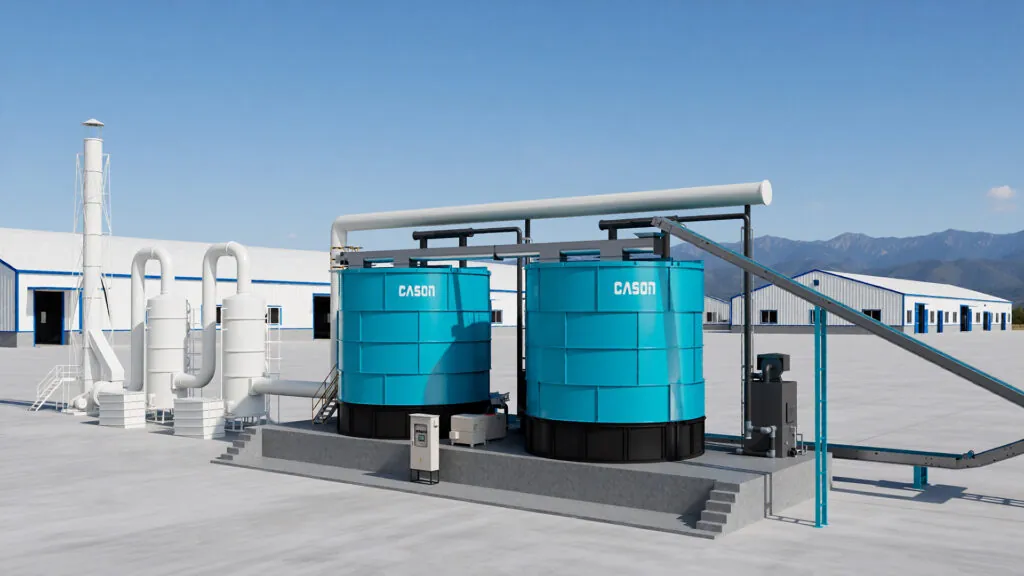
The concept of livestock waste recycling focuses on transforming what was once viewed as waste into productive inputs. For poultry operations, manure and other organic residues can be substantial. Traditional pile composting can be labor-intensive and inconsistent in results, leading to slow decomposition and prolonged odor issues. In contrast, specialized machinery tailored for poultry waste delivers measurable performance improvements. Systems like the Cason C-160E Poultry Composting Machine leverage advanced aerodynamic fans, centralized control systems, and IoT-enabled automation to maintain optimal conditions for aerobic fermentation. These capabilities help ensure consistent waste breakdown and quality end-product production.
Integrated platforms support continuous processing of mixed waste streams from poultry houses, hatcheries, and processing facilities. Remote conveying mechanisms reduce the need for manual handling while enhancing hygiene and biosecurity on site. By lowering labor demands and simplifying waste logistics, farms can focus attention on core production goals without being bogged down by operational complexity.
Environmental Stewardship and Economic Outcomes
A key advantage of adopting industrial composting machines is the balance they strike between environmental stewardship and operational economics. Properly controlled aerobic composting significantly suppresses odor and greenhouse gas emissions compared with unmanaged waste piles. It also accelerates pathogen reduction through sustained elevated temperatures, improving safety for workers and surrounding communities.
The compost output is a consistent, nutrient-rich material that can be applied to cropland, pasture, or landscaping projects, reducing reliance on synthetic fertilizers and reinforcing circular agricultural practices. For medium and large-scale livestock operations, turning waste into a valuable soil amendment supports broader sustainability targets while opening opportunities for new revenue streams.
Harnessing Technology for Sustainable Operations
Implementing a purpose-built poultry composting machine ties directly into broader zero-waste goals. By standardizing waste treatment, enhancing data-driven control over the process, and enabling easier integration with farm management systems, we help farms improve operational predictability and ensure compliance with environmental standards. As livestock waste recycling becomes a strategic priority, we provide intelligent composting solutions that support both regulatory and business outcomes, allowing farms to thrive while minimizing their environmental footprint. At Cason, we are committed to delivering efficient, reliable, and advanced technology to turn livestock waste into valuable resources.