
Food waste has become a pressing challenge for businesses, especially in the food and beverage sector. Understanding the regulations surrounding food waste recycling and the various treatment methods available is crucial for ensuring compliance and sustainability.
The Importance of Food Waste Recycling Regulations
Regulations on food waste recycling are designed to minimize environmental impact and promote sustainable practices. Many regions have introduced laws mandating businesses to recycle organic waste, thus diverting it from landfills. This shift not only reduces greenhouse gas emissions but also encourages the use of food waste fermentation tanks and food waste fertilizer machines to convert waste into valuable resources.
Businesses must keep abreast of these regulations to avoid penalties and enhance their corporate responsibility profiles. Proper training and implementation of food waste management strategies can lead to improved compliance while also fostering a positive public image.
Utilizing Advanced Technology for Efficient Waste Management
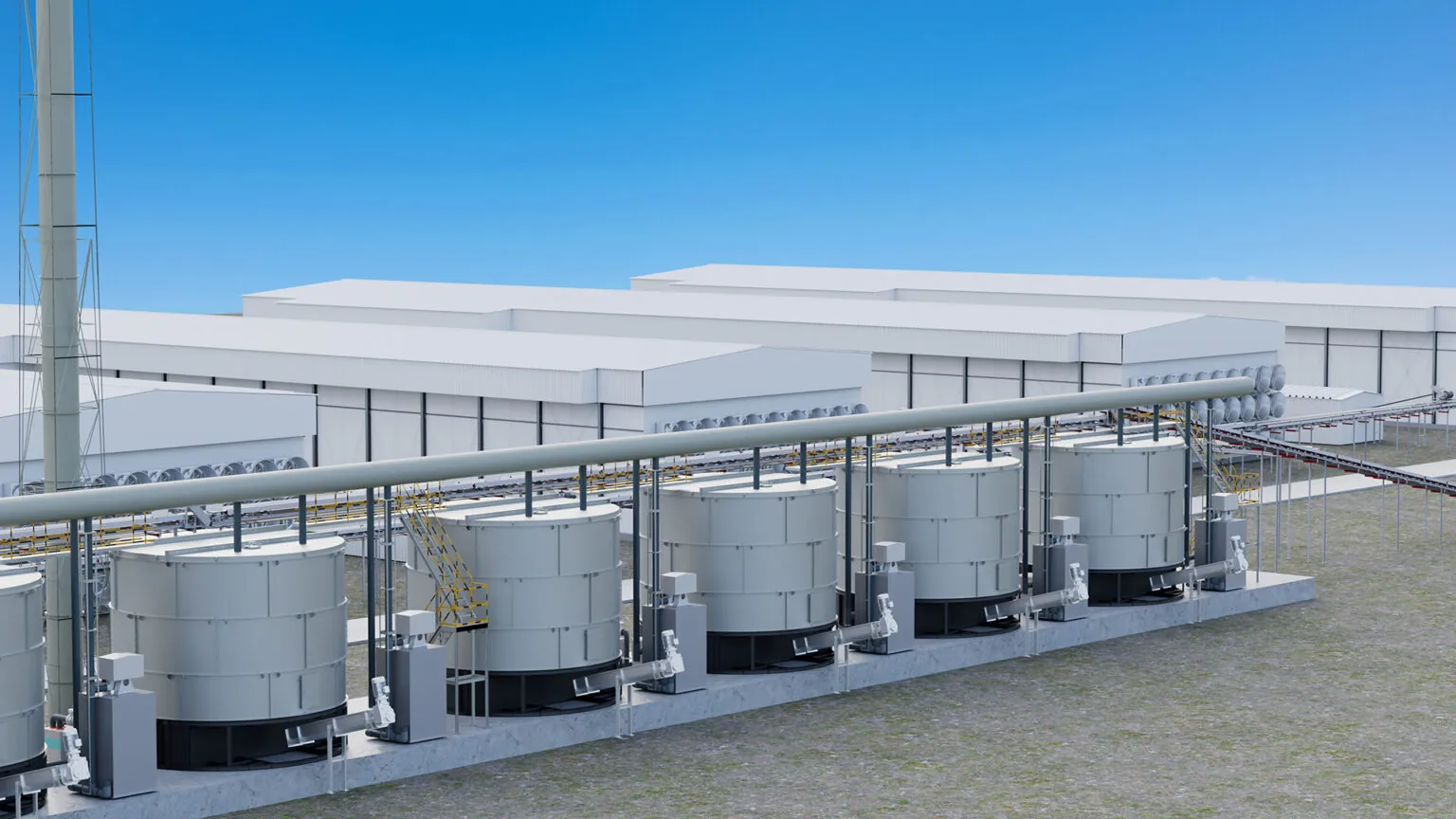
Employing advanced technologies like the food waste fermentation tank is essential for businesses looking to comply with regulations while maximizing operational efficiency. The Cason C-140E, for instance, is designed to be both substantial and energy-efficient, providing a solution that meets the demands of modern food waste treatment.
This food waste fermentation tank incorporates intelligent monitoring and adaptive control systems that continuously track critical parameters such as temperature and pressure. By optimizing these factors, organizations can avoid overloads and minimize energy consumption. Predictive maintenance features also ensure early detection of anomalies, enhancing reliability and reducing downtime.
The Cason electrical control panel, another crucial component, also plays a significant role. Its robust design protects against environmental hazards and electrical risks while centralizing management and maintenance. This panel helps ensure that the food waste fertilizer machine operates efficiently, providing stable power control to maintain the high stability levels required during the fermentation process.
Commitment to Sustainable Treatment and Odor Control
In addition to effective fermentation, addressing odors released during the process is essential. Cason’s centralized deodorization system captures and treats odors from multiple fermentation tanks, ensuring compliance with environmental standards. Once treated, these gases are released safely, promoting a clean production environment.
This commitment to environmental responsibility not only adheres to regulations but also aligns with the growing consumer demand for sustainability. Businesses employing these advanced solutions can demonstrate their commitment to eco-friendly practices while optimizing their operations.
Partnering for a Greener Future
At Cason, we are dedicated to transforming organic waste into valuable resources through our advanced fermentation technology. Our food waste fermentation tank and food waste fertilizer machine are designed to support businesses in managing their waste sustainably. By adopting our solutions, you can not only comply with regulations but also contribute to a greener future. Let’s work together to turn food waste into a resource and foster sustainability in our industries.