
Food waste management is crucial in today’s eco-conscious environment. Understanding how to effectively troubleshoot fermentation issues within your systems is vital for maintaining efficiency, particularly when using advanced food waste fermentation tanks and food waste fertilizer machines.
Understanding Common Fermentation Challenges
Food waste fermentation processes can sometimes encounter various obstacles that hinder effective operation. Issues such as inconsistent fermentation rates, unusual odors, and malfunctions in automation are common. Identifying these challenges early can save resources and prevent costly downtime.
Utilizing PLC (Programmable Logic Controller) diagnostics allows operators to pinpoint the root causes of these issues quickly. By leveraging data from the fermentation process, businesses can make informed decisions to rectify problems, ensuring smooth operations.
Utilizing PLC Diagnostics to Optimize Performance
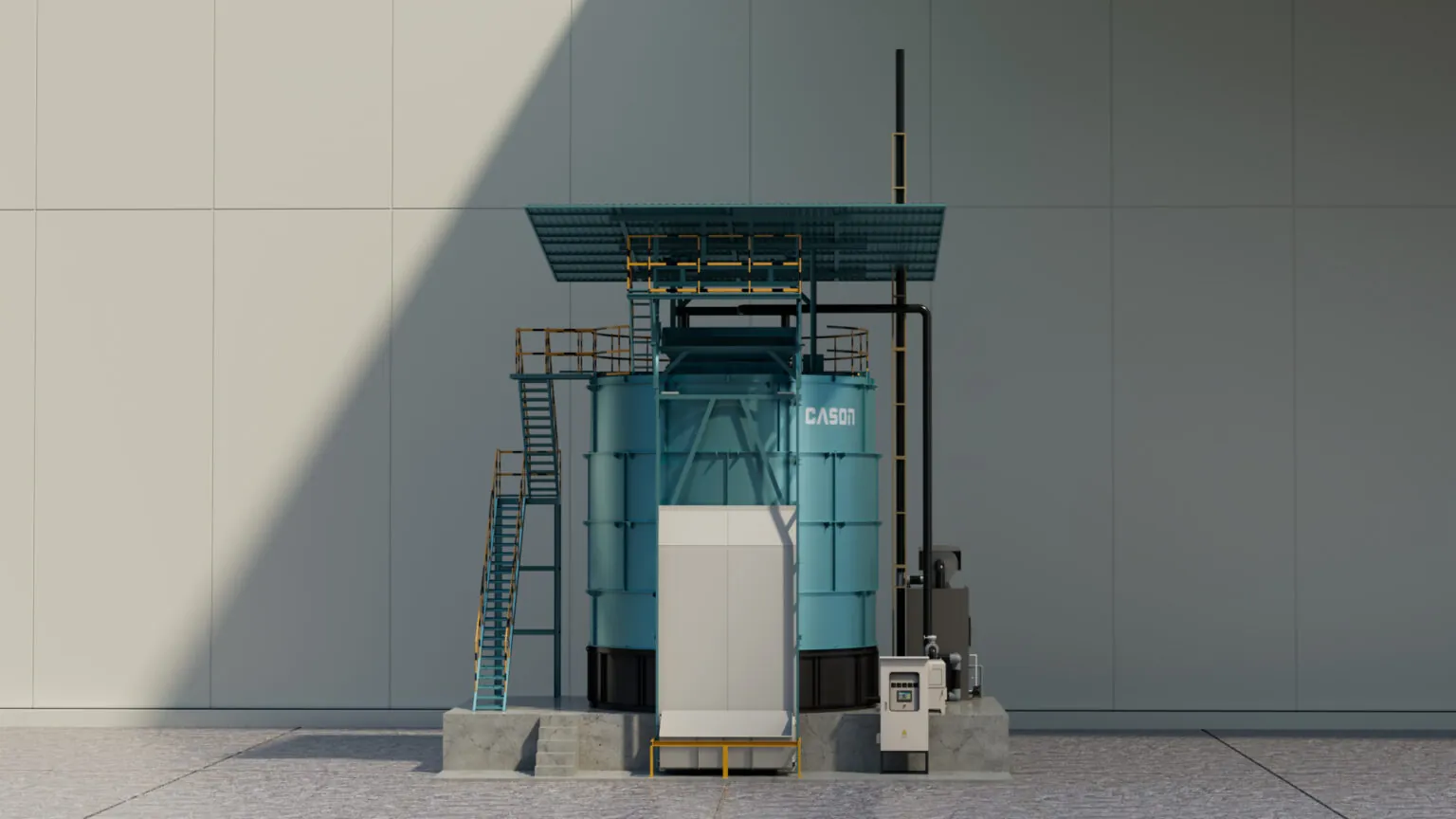
Implementing a food waste fermentation tank with integrated PLC diagnostics can significantly enhance operational reliability. For instance, the Cason C-140E model is designed with advanced monitoring capabilities that allow for real-time tracking of critical parameters, such as temperature and pH levels. When inconsistencies arise, the PLC system provides immediate alerts, allowing users to take corrective actions swiftly.
The effectiveness of this technology extends to the food waste fertilizer machine, ensuring that the end product meets quality standards. By continuously monitoring the fermentation conditions, the PLC system can optimize the cycle, leading to higher daily output and better resource utilization.
Streamlining Operations with Technology
Effective troubleshooting not only resolves current issues but also enhances overall operational efficiency. The Cason food waste fermentation tank features a remote conveying system that simplifies material transport. This fully automatic, continuous conveying solution reduces labor needs and minimizes the risk of human error, contributing to seamless operations.
Moreover, the eco-friendly design helps mitigate dust and odor, further improving the working environment. The compact nature of these systems allows flexibility, making it easy to adapt to various operational sites without compromising performance.
Taking Steps Towards Enhanced Sustainability
At Cason, we are dedicated to transforming organic waste into valuable resources through advanced fermentation technology. Our food waste fermentation tank and food waste fertilizer machine are designed specifically to optimize fermentation processes and manage organic waste efficiently. By utilizing PLC diagnostics, businesses can enhance their operational reliability and ensure a consistent yield of high-quality fertilizer.
Together, we can work towards a more sustainable future, effectively turning food waste into valuable products. Embracing our technology not only improves your operational capabilities but also supports your commitment to sustainability in the industry. Let’s partner together to achieve these goals and enhance the efficiency of your food waste management processes.