
When it comes to managing manure in poultry farming, animal waste fermentation equipment and drying systems are two common methods. However, which one offers the best long-term solution for effective and eco-friendly manure processing? At Cason, we’ve invested in understanding the needs of farmers and have developed our poultry composting machine as an alternative to traditional drying systems. This article will discuss how Cason’s approach can help streamline manure management, improve sustainability, and reduce environmental impacts.
A Sustainable Approach to Waste Treatment
Sustainability has become a key concern for modern farming. Cason’s animal waste fermentation equipment is designed to transform poultry manure into valuable organic fertilizer while minimizing harmful emissions. Unlike drying systems, which require high energy consumption and lead to inefficient heat production, poultry composting machines utilize natural biological processes. These systems rely on controlled fermentation to break down manure in an eco-friendly way, turning it into compost that is rich in nutrients.
This process is far less energy-intensive, making it an attractive alternative for farms looking to improve sustainability. Additionally, by using a centralized odor control system, Cason’s equipment ensures that emissions from the fermentation tanks are safely processed and do not harm the environment.
How Does Cason’s Odor Control System Work?
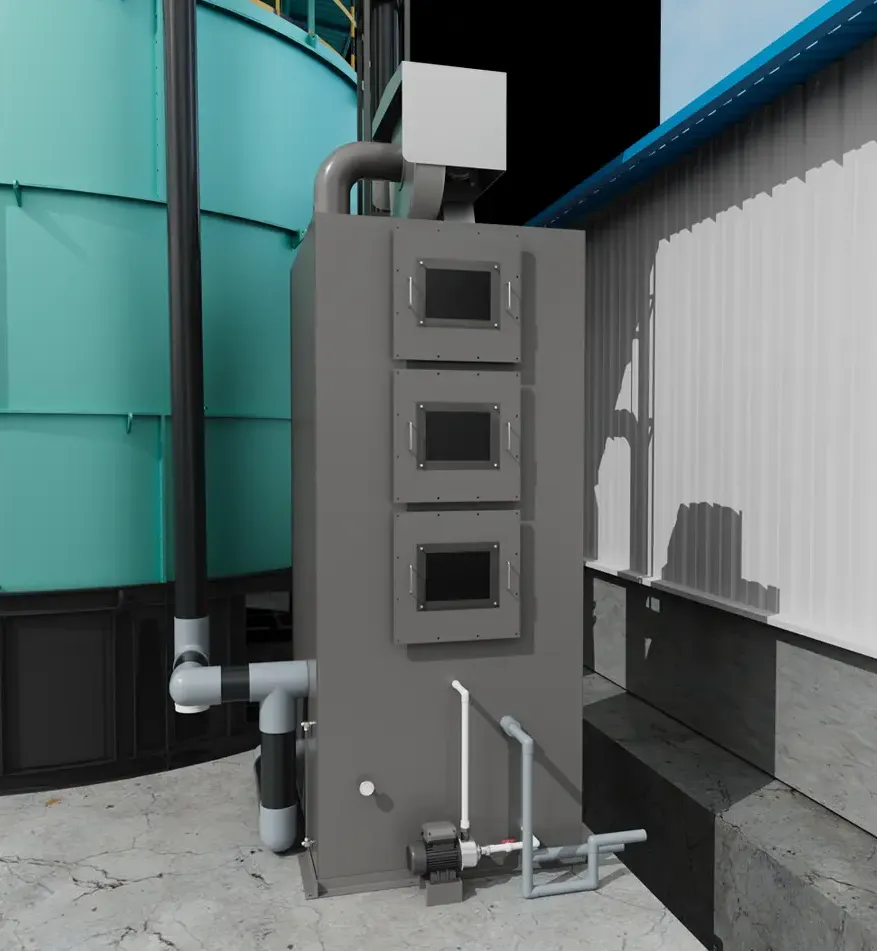
A significant concern in poultry waste management is the odor produced during the fermentation process. Cason’s animal waste fermentation equipment is designed with an advanced three-layer deodorization system to tackle this issue effectively. The process includes water scrubbing to remove large particles, acid and alkali washing to neutralize specific odors, and biological deodorization to break down remaining gases.
This multi-step system ensures that the exhaust gases are treated and released as odorless, environmentally safe emissions. Thanks to Cason’s focus on improving the quality of life for both farmers and the surrounding community, the system contributes to creating a cleaner, more pleasant farming environment.
Comparing Poultry Composting Machines and Drying Systems
One of the main differences between poultry composting machines and drying systems is the energy efficiency of each. While drying systems require high energy input to heat and dry the manure, Cason’s animal waste fermentation equipment uses natural biological processes to break down waste with minimal energy consumption. Additionally, drying systems can lead to dust and airborne particles, which may further impact the environment and farm health. In contrast, the fermentation method ensures that no harmful particles are released, providing a safer and cleaner process for everyone involved.
Drying systems are typically only focused on reducing moisture content, while Cason’s poultry composting machine enhances the manure’s nutrient profile, making it suitable for agricultural use as organic fertilizer. This comprehensive approach is more beneficial for long-term farm productivity.
Efficiency and Environmental Benefits
At Cason, we believe that modern farming must be both efficient and sustainable. Our animal waste fermentation equipment offers significant advantages over drying systems. Not only does it reduce energy consumption, but it also prevents harmful gases from being released into the atmosphere. With the help of the deodorization system, the equipment turns waste into a valuable resource—organic compost—which can be reused in farming or even sold.