
In-vessel composting is a controlled composting process that enables businesses and municipalities to manage organic waste efficiently within a contained system. At Cason, we understand that achieving the right carbon-to-nitrogen balance is one of the most critical factors influencing the success of in-vessel composting operations. When done well, proper nutrient ratios promote stable microbial activity, minimize odors, and shorten composting cycles.
Understanding Carbon and Nitrogen in Composting
Carbon and nitrogen are essential elements that microbes use for energy and growth. Carbon serves primarily as an energy source while nitrogen supports protein synthesis and reproduction of microbial populations. In an in-vessel composting environment, maintaining an optimal balance between these elements ensures that organic materials break down effectively.
Organic waste streams typically vary in their carbon and nitrogen content. High-carbon materials, such as wood chips or dry leaves, decompose slowly because microbes lack sufficient nitrogen to fuel their metabolism. Conversely, materials rich in nitrogen, like food waste or manure, can lead to excess moisture, unpleasant smells, or even anaerobic conditions if not balanced properly.
The ideal carbon-to-nitrogen ratio for composting is frequently cited around 30:1. However, conditions inside an in-vessel system differ from traditional windrow or static pile composting. The enclosed environment, temperature control, and forced aeration systems used in in-vessel composting mean that operators often need to fine-tune ratios based on feedstock composition and vessel design.
Practical Steps to Balance Carbon and Nitrogen
To optimize carbon-to-nitrogen ratios, start by assessing the feedstocks you plan to compost. Categorize materials as high, medium, or low in carbon and nitrogen content. For example, paper waste and sawdust are high in carbon, while green food scraps are high in nitrogen. Combine these materials in proportions that approach the target ratio, adjusting based on observed performance.
Moisture plays a significant role in the composting process. Excess moisture can reduce air space, slow down microbial activity, and create conditions favorable for odor formation. Typically, the moisture content in in-vessel composting should be maintained between 40 and 60 percent. If materials appear soggy, incorporate drier, carbon-rich ingredients to absorb excess moisture and rebalance the carbon-to-nitrogen ratio.
Regular monitoring is essential. Thermometers, gas probes, and visual inspections help track temperature, oxygen levels, and overall compost quality. If temperatures stall or drop, it could indicate an imbalance in nutrient ratios or inadequate aeration. Adjust the mix by introducing more carbon or nitrogen material as needed.
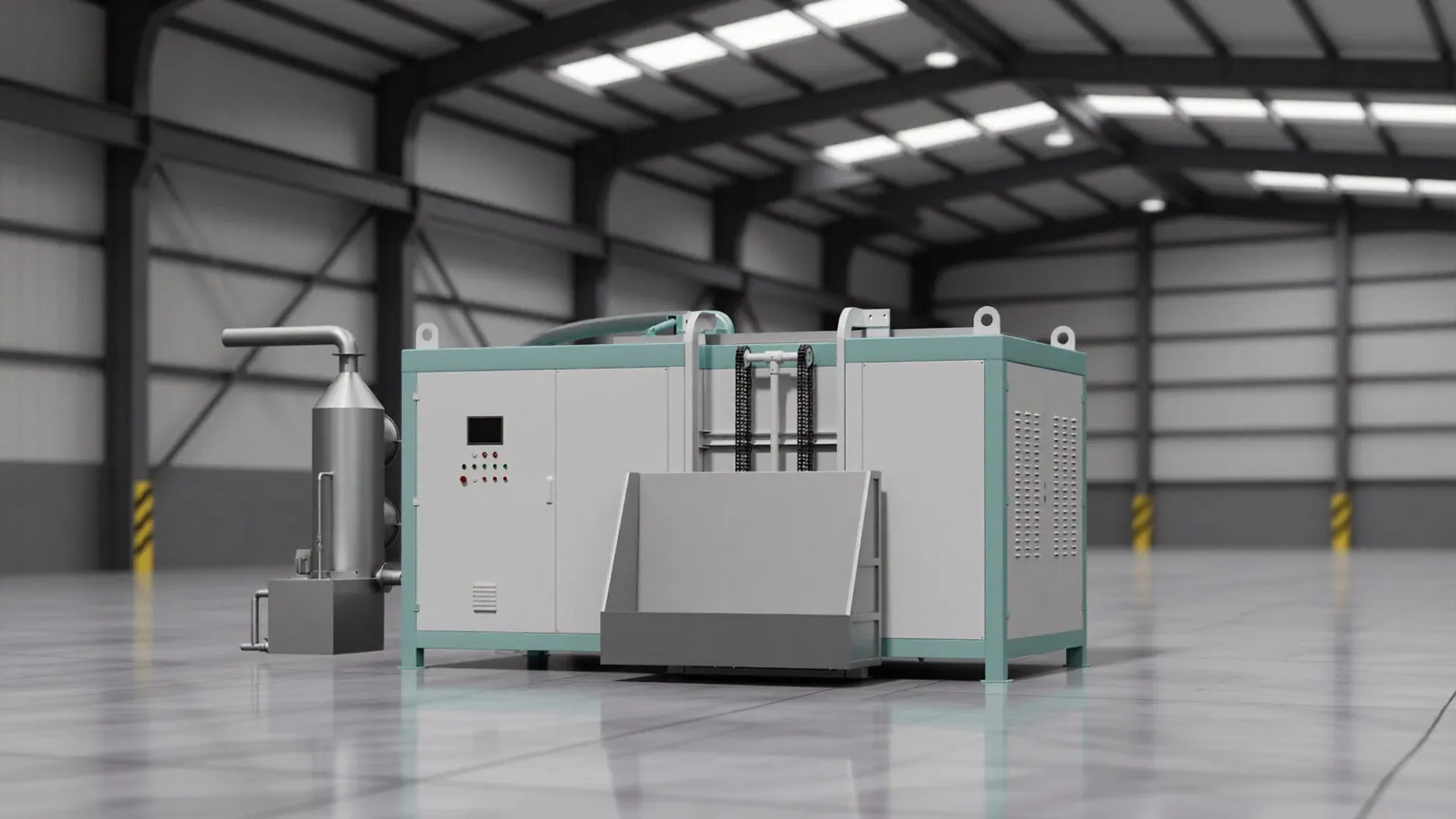
One advantage of in-vessel systems like the Cason DT-320E is the ability to automate and control environmental variables with precision. Systems designed for temperature regulation and optimized airflow can maintain conditions that support efficient decomposition, reducing the guesswork involved in balancing nutrient ratios.
Long-Term Benefits of Ratio Optimization
When carbon-to-nitrogen ratios are carefully managed, in-vessel composting becomes more predictable and efficient. Well-balanced systems produce compost that is stable, free of odors, and rich in nutrients suitable for soil amendment. This not only supports environmental stewardship but also enhances the value of finished compost products that can be used in agriculture, landscaping, and land reclamation.
By taking a systematic approach to carbon and nitrogen management, organizations can improve the performance of their in-vessel composting programs. At Cason, we emphasize practical strategies and ongoing monitoring to support efficient operations tailored to your unique waste streams and processing equipment.
In the end, paying close attention to carbon-to-nitrogen balance empowers facilities to achieve consistent results, reduce operational issues, and contribute to a more sustainable circular economy.