
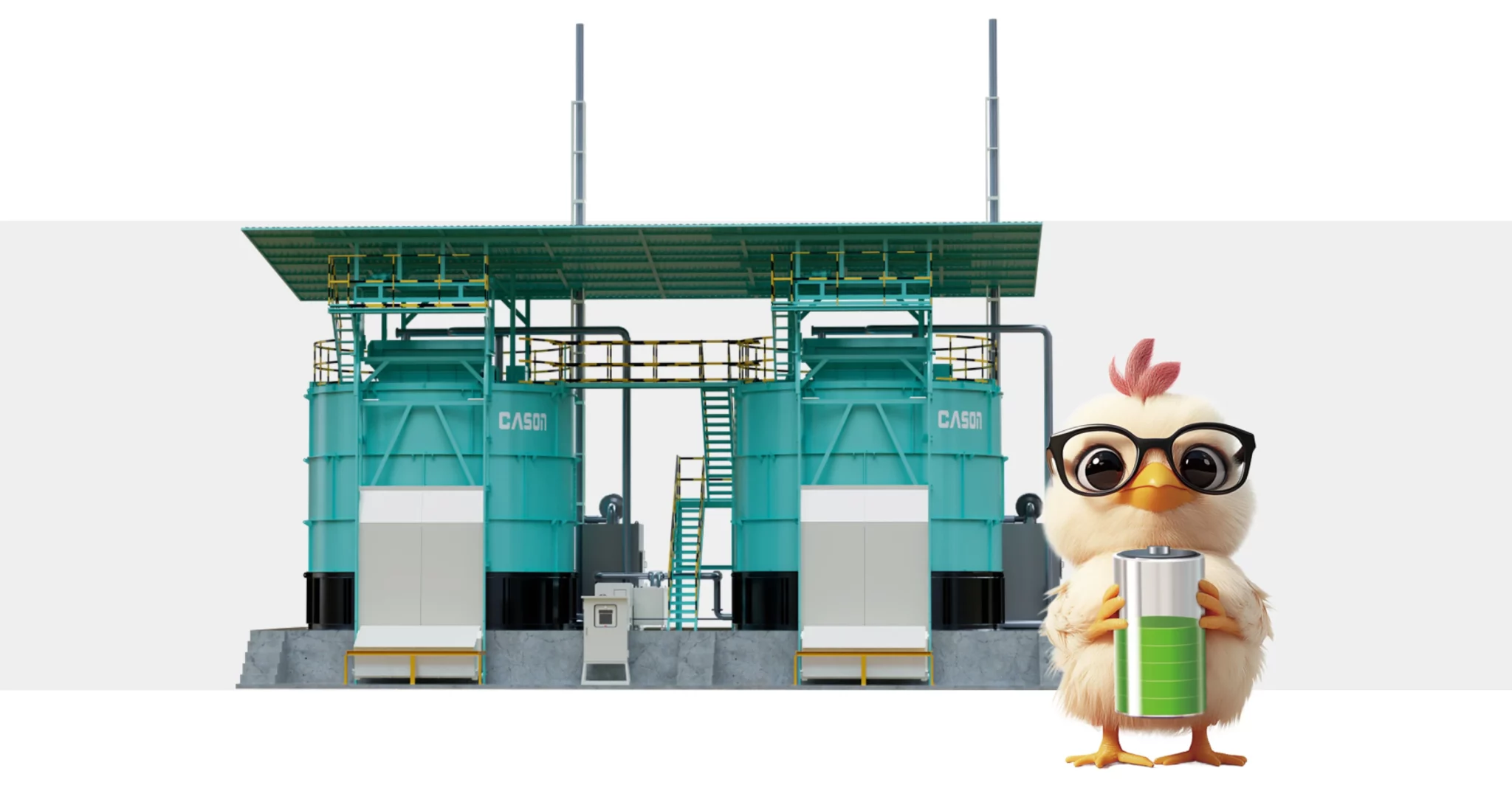
In industrial organic waste processing, the term “waste product” is often a misnomer. For large-scale agricultural enterprises and fertilizer plants, the outputs of the fermentation process—gases, thermal energy, liquids, and stabilized solids—are variables that must be systematically managed, contained, or repurposed. When evaluating a specialized fertilizer fermentation tank manufacturer, procurement teams must look beyond the equipment footprint and analyze how these diverse operational outputs interface with facility ventilation, drainage systems, and structural logistics. Effectively managing these processing byproducts transforms a potential disposal liability into a predictable, resource-recovering industrial workflow.
The Categorization of Cellular and Industrial Fermentation Outputs
To properly design a facility layout, processing outputs must be classified by their physical forms and biological origins. In classical biochemistry, cellular fermentation pathways typically yield simple organic compounds like ethanol or lactic acid alongside carbon dioxide CO₂, as micro-organisms regenerate vital NAD+ electron carriers in the absence of oxygen. However, in high-capacity organic recycling, the process is engineered to be strictly aerobic. This thermophilic degradation relies on a continuous supply of oxygen to maximize microbial metabolism, shifting the primary outputs away from liquid chemical byproducts toward large-scale thermal energy, water vapor, CO₂, and a highly stable organic solid residue.
Managing Gaseous Byproducts, Thermal Energy, and Odor Controls
The most continuous output of high-temperature aerobic processing is a high-volume stream of carbon dioxide, water vapor, and metabolic heat. As thermophilic bacteria rapidly oxidize carbon compounds within the enclosed vessel, their cellular activity naturally drives internal temperatures into a self-sustaining range of 55°C to 65°C. While this biological heat is essential for destroying pathogens and weed seeds, the resulting warm, moisture-laden exhaust air must be properly managed. Partnering with an experienced commercial composting machine manufacturer ensures that the equipment incorporates integrated air exhaust manifolds. This structural design allows facilities to channel the humid air directly into biofilters or scrubbing systems, neutralizing potential ammonia or volatile organic compounds (VOCs) before they can impact the surrounding environment.
Liquid Effluent Containment and Solid Residue Stabilization
Managing the physical moisture balance during high-volume waste processing involves capturing both liquid drainage and stabilizing the remaining solid mass. Raw organic inputs, such as livestock manure or food sludges, often carry excessive moisture that is physically squeezed out during initial mechanical mixing and heating phases. Engineering layouts must include dedicated leachate drainage ports and sealed containment sumps to prevent this high-nutrient liquid from pooling and turning anaerobic. Concurrently, the primary solid output undergoes a radical transformation; as the carbon-to-nitrogen ratio stabilizes and moisture drops below 40%, the raw waste is converted into a uniform, pathogen-free, and nutrient-dense organic fertilizer base ready for commercial bagging or field application.
B2B Engineering Alignment and Long-Term Operational Support
Successfully integrating a large-scale fermentation asset into an industrial agricultural workflow demands precise technical alignment long before fabrication begins. Engineering procurement teams must establish explicit written parameters regarding daily peak raw waste volumes, raw material moisture dynamics, three-phase electrical loads, and heavy-machinery loading clearances. Through our advanced OEM and ODM manufacturing services at CASON, we focus on customizing these mechanical and structural boundaries to seamlessly match a facility’s unique site layout and regional environmental standards. Securing these finalized technical drawings, alongside structured operator safety training and robust wear-parts supply agreements, ensures the entire waste processing system delivers highly repeatable, legally compliant performance across years of continuous operation.