
Managing daily mortalities in a large-scale commercial poultry operation is a critical process-control challenge that directly affects farm biosecurity and regulatory compliance. When we consult with agricultural enterprises, we emphasize that chicken carcasses can absolutely be processed via composting, but only within a strictly managed, industrial-grade system. Traditional backyard piles or open disposal pits are entirely unsuited for commercial volumes because they fail to reach uniform pathogen-killing temperatures and easily attract scavengers. Transitioning to a dedicated containment containment workflow allows poultry integrators and farm managers to standardize mortality disposal, eliminate odor liabilities, and maintain clean, auditable biosecurity boundaries.
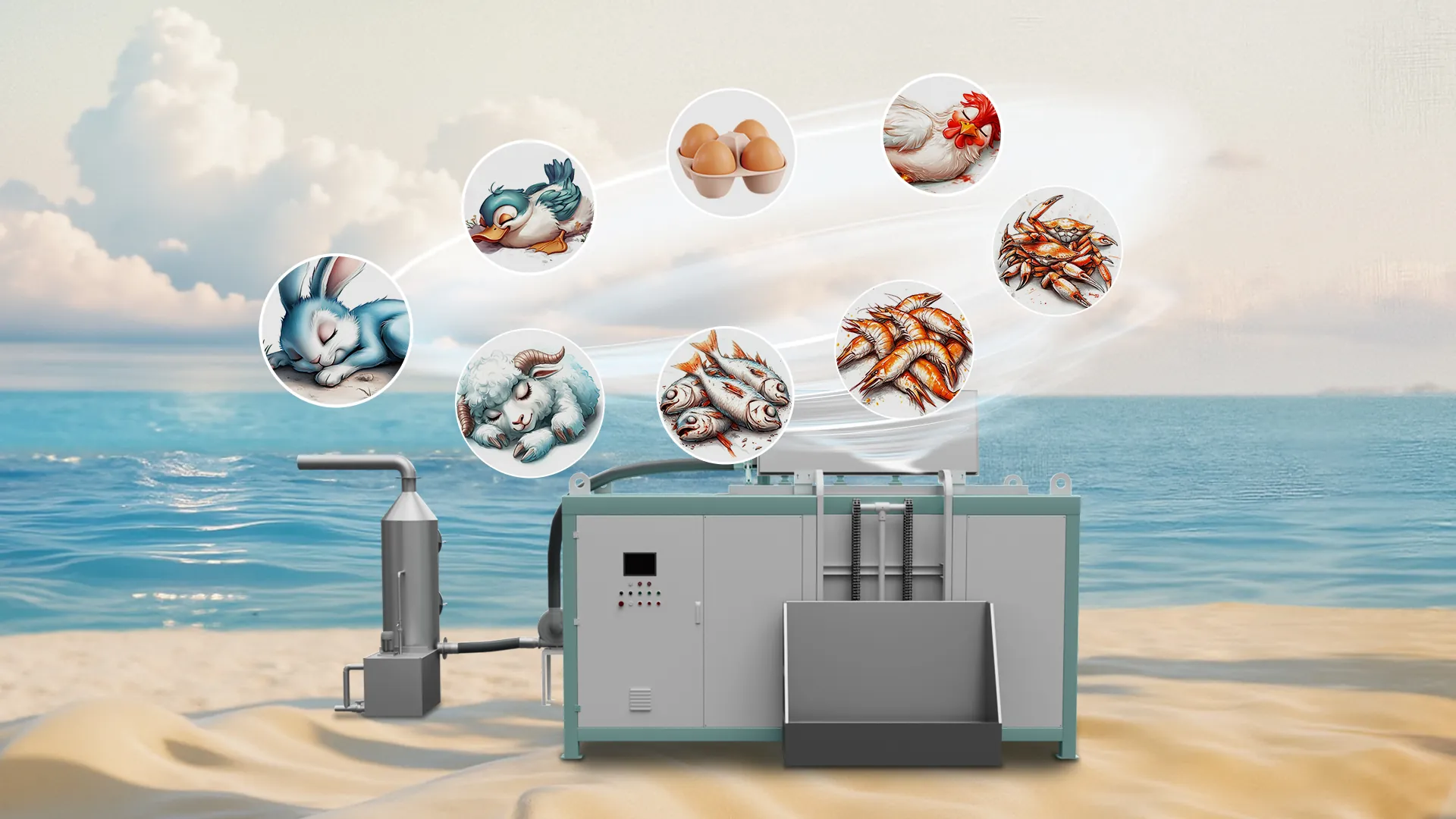
Why Industrial Mortality Containment Replaces Passive Disposal Methods
Processing poultry mortalities efficiently requires a highly regulated biological environment rather than a passive pile vulnerable to weather extremes. Poultry carcasses represent a concentrated source of nitrogen and moisture, which means they must be carefully balanced with porous, carbon-rich bulking agents like dry wood shavings or sawdust to support aerobic decomposition. Through our specialized engineering developments at CASON, we manufacture systems that optimize this biological interface by ensuring consistent oxygen flow and heat retention throughout the composting mass. This structural containment completely isolates the waste from local disease vectors and prevents leachate from contaminating the surrounding soil, which is a vital safeguard for large-scale production facilities.
Operational Workflow and Thermal Controls for Safe Tissue Degradation
Deploying an industrial animal carcass composting machine transforms mortality management into a predictable, repeatable daily routine for farm operators. The core biological mechanism relies on sustaining thermophilic microbial activity, which naturally drives internal temperatures up into the optimal 55°C to 65°C range. Rather than relying on external fuel sources, the system leverages this natural biological heat inside insulated chamber walls to rapidly break down soft tissues, feathers, and organic structures while neutralizing harmful viruses and bacteria. Operators must simply follow structured loading protocols—ensuring carcasses are completely enveloped in carbon material—and track daily temperature trends to guarantee a swift, odor-free reduction cycle.
Engineering Integration and Site Infrastructure Planning
Successfully integrating a heavy-duty mortality composter machine into an active commercial farm layout demands precise technical coordination during the initial procurement stages. Engineering teams need to carefully evaluate civil requirements, including concrete foundation load ratings, stable three-phase power access, localized drainage routing, and structural clearances for heavy loading equipment. Through our dedicated ODM and OEM manufacturing workflows, we specialize in tailoring these mechanical and structural interfaces to align seamlessly with a facility’s existing biosecurity traffic routes and peak mortality volumes. Resolving these technical connection points early prevents costly installation delays and ensures the equipment operates smoothly as a core facility asset.
B2B Procurement Standards and Long-Term Asset Reliability
Investing in industrial-grade agricultural waste infrastructure requires a disciplined evaluation of technical specifications and post-commissioning support frameworks. For B2B project directors, securing long-term operational uptime depends heavily on the availability of transparent preventative maintenance schedules, comprehensive operator safety documentation, and reliable spare-parts supply networks. When we engage in custom engineering or OEM manufacturing discussions, we prioritize establishing clear, written baselines regarding a partner’s primary bird weights, seasonal climate fluctuations, and local automation compliance standards. This data-driven, engineering-first approach protects your capital investment and ensures the system delivers dependable, fully compliant bio-waste processing for years to come.