
Industrial composting systems help organizations manage organic waste efficiently, but like any equipment used in biological processing, they require proper monitoring and maintenance. When a commercial compost machine or industrial composting machine encounters operational issues, identifying the cause early can prevent downtime and maintain stable compost production. In this article, we discuss common troubleshooting situations and practical ways to address them in large-scale composting operations.
Temperature Instability During Composting
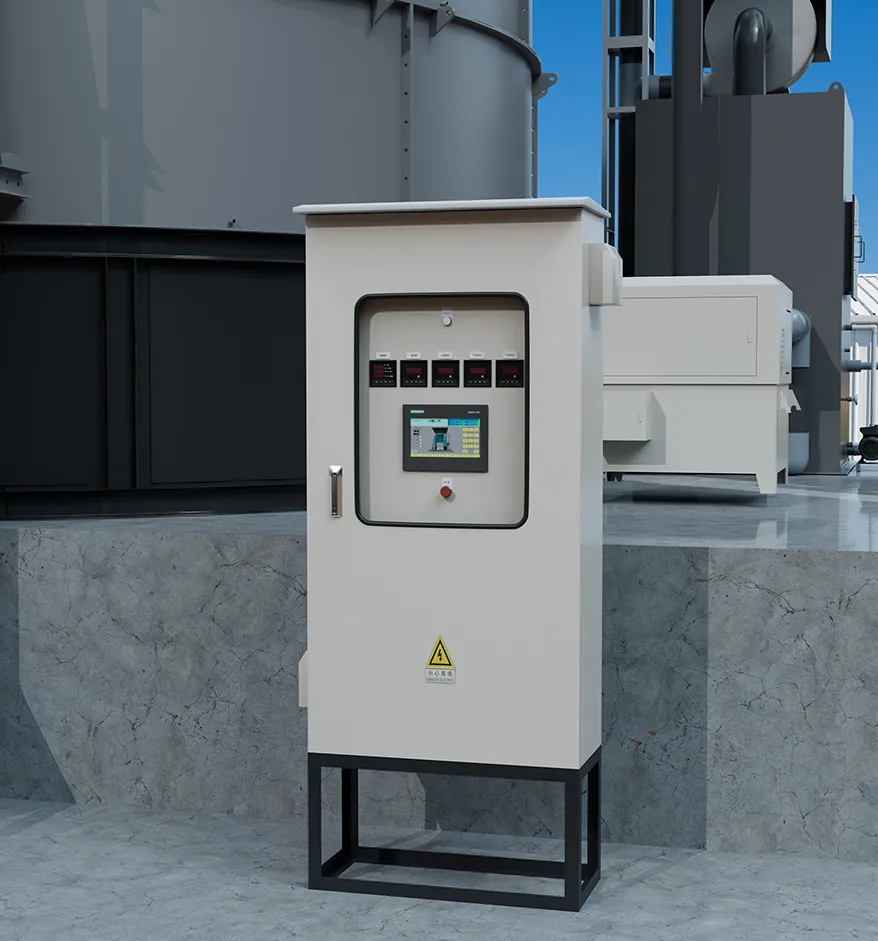
Temperature is one of the most important indicators of microbial activity in composting systems. If the temperature fluctuates too much or fails to reach the required range, the decomposition process slows down. This issue may occur when sensors malfunction, heating systems operate incorrectly, or material composition is not balanced. Industrial composting systems rely on stable temperature conditions for microorganisms to break down organic waste effectively. If the temperature becomes too high, microbial activity may be inhibited, while temperatures that are too low may result in incomplete fermentation. Operators can troubleshoot this problem by checking temperature sensors, confirming that the heating system is functioning correctly, and adjusting the organic waste mixture. Maintaining a balanced carbon to nitrogen ratio also helps stabilize microbial activity.
Poor Aeration and Oxygen Supply
Most composting machines operate through aerobic fermentation, which means microorganisms require oxygen to function. When airflow becomes restricted, the composting process slows and unpleasant odors may develop. Insufficient aeration may occur due to clogged ventilation systems, compacted organic material, or malfunctioning mixing mechanisms. Without enough oxygen, the decomposition process becomes inefficient and may produce anaerobic conditions. To solve this issue, operators should inspect the aeration system and ensure ventilation channels remain unobstructed. Regular mixing or agitation inside the machine can also improve oxygen distribution throughout the material.
Excess Moisture or Insufficient Moisture
Moisture balance is essential for microbial activity. If compost becomes too wet, oxygen levels decrease and the system may produce strong odors. If the material becomes too dry, microbial activity slows and decomposition becomes inefficient. A suitable composting environment typically maintains moisture levels similar to a damp sponge. Operators can add dry materials such as sawdust or shredded organic matter to reduce excessive moisture. If the compost mixture becomes too dry, water can be added gradually during mixing to restore balance. Monitoring moisture levels regularly is especially important in large scale composting equipment, where feedstock composition may vary from batch to batch.
Slow Decomposition of Organic Waste
Another common issue in an industrial composting machine is slow material breakdown. This often happens when organic materials are too large, improperly mixed, or lack sufficient nitrogen. Large pieces of organic waste reduce the surface area available for microbial activity, slowing the composting process. Cutting or shredding waste before loading the machine can significantly improve decomposition speed. Operators should also review the composition of incoming materials. Adding nitrogen-rich materials such as food waste or green plant matter can improve microbial activity and accelerate the process.
Equipment or Mechanical Issues
Industrial composting systems rely on mechanical components such as motors, mixing shafts, sensors, and ventilation units. Mechanical failure can interrupt the composting cycle. Typical signs include reduced mixing performance, unusual noise, or failure of the agitation system. These issues may result from excessive loading, blocked components, or normal wear of moving parts. Routine inspection and scheduled maintenance are essential for maintaining stable equipment performance. Cleaning internal components and monitoring motor operation can reduce the risk of unexpected downtime.
Efficient Composting with the Cason C-120E
Selecting reliable equipment is an important step in reducing operational issues. The Cason C-120E commercial compost machine is designed for efficient organic waste processing in restaurants, farms, and food processing facilities. Its automated temperature control, mixing system, and aeration design help maintain the conditions needed for stable microbial activity. With appropriate operation and routine monitoring, the Cason C-120E industrial composting machine supports continuous compost production while minimizing common operational challenges. Businesses seeking practical organic waste treatment solutions can benefit from equipment designed for stable performance and efficient composting cycles.