
Managing livestock mortalities on a large-scale commercial farm is an intensive process-control requirement that directly impacts biosecurity and environmental compliance. When we consult with agricultural enterprises, we emphasize that carcass composting is not a passive disposal task; it is a highly regulated aerobic biological process. Traditional open-burial or open-pile methods present severe long-term risks, including ground-water leaching, scavenger attraction, and the spread of infectious pathogens. Moving toward containment infrastructure allows facilities to stabilize these biological hazards rapidly, ensuring complete tissue degradation while keeping daily farm logistics sanitary and auditable.
The Biological Principles of Safe Mortality Degradation
Efficient mortality composting relies on creating a specialized thermophilic environment that accelerates tissue breakdown while neutralizing viral and bacterial pathogens. Raw carcass material is exceptionally high in nitrogen and moisture, meaning it requires a surrounding envelope of highly porous, carbonaceous bulking material like wood chips or heavy sawdust to balance the carbon-to-nitrogen ratio. Through our engineering developments at CASON, we design systems that maintain the precise structural porosity required for continuous passive or forced-air aeration. This steady oxygen availability keeps the microbial population active, allowing internal processing temperatures to consistently sustain the 55°C to 65°C range necessary to break down soft tissue and eliminate biosecurity risks without producing foul odors.
Operational Protocols and Volumetric Sizing for Heavy Waste
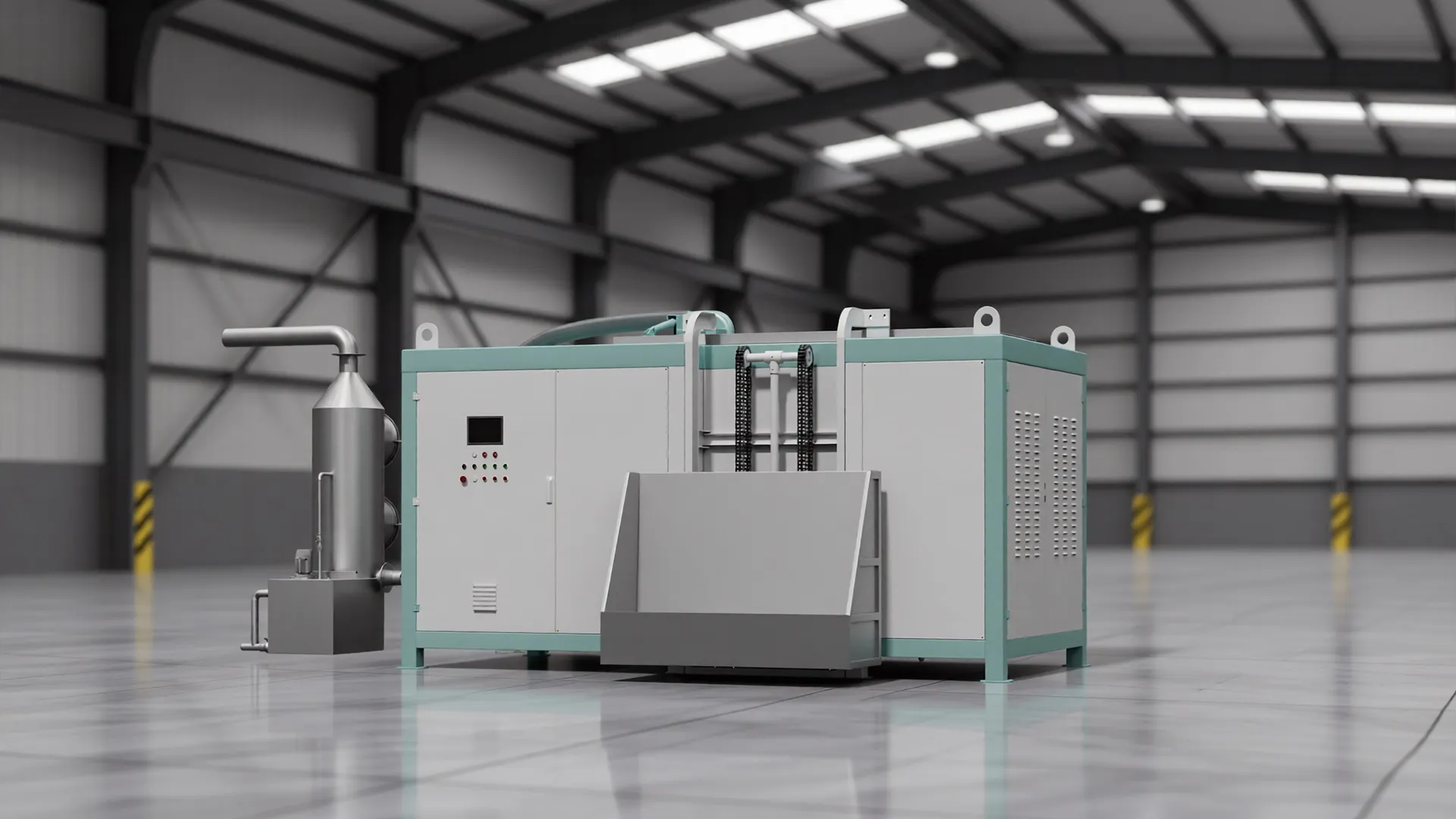
Deploying a commercial animal carcass composting machine requires a rigorous logistical plan based on a facility’s actual daily and peak-season mortality volumes. Operational teams must establish a disciplined loading protocol, ensuring that carcasses are completely enveloped within the carbon bulking agent according to strict density limits to prevent fluid pooling or anaerobic dead zones. The enclosed, structural insulation of modern equipment ensures that biological heat is completely retained regardless of freezing winter climates or heavy seasonal rainfall. This controlled environment drastically shortens the primary decomposition cycle, turning a process that traditionally took many months into a highly predictable, footprint-efficient operation that fits right into the farm’s weekly waste workflow.
Civil Integration and Infrastructure Planning Standards
Successfully installing a heavy-duty livestock carcass composting machine involves comprehensive technical coordination across multiple engineering disciplines before the asset arrives on-site. Procurement teams must evaluate concrete slab load capacities, dedicated three-phase electrical access, overhead loading clearances for heavy telehandlers, and localized leachate drainage routing to safeguard local waterways. Our focused OEM and ODM manufacturing services center on customizing these physical and mechanical interfaces to seamlessly match a facility’s existing traffic layouts and biosecurity boundaries. Resolving these technical touchpoints early ensures the machinery functions as a high-performance, seamless asset within the overall farm infrastructure.
Technical Procurement Standards and Long-Term Service Support
Investing in industrial-grade mortality management systems demands a disciplined approach to equipment specifications and post-installation support structures. For B2B project managers, securing reliable operational uptime depends heavily on the availability of transparent preventative maintenance schedules, detailed operator safety training programs, and responsive wear-parts supply networks. When we enter custom engineering or ODM contract discussions, we prioritize establishing explicit written baselines regarding a partner’s primary animal types, peak capacity requirements, and local regulatory compliance rules. This documentation-first strategy guarantees that the final manufactured machinery delivers dependable, repeatable, and fully compliant bio-waste processing performance year after year.