
Managing farm waste can be a challenging task, especially when it comes to deciding on the most efficient and sustainable method of disposal. Animal waste fermentation equipment and farm waste disposal compost fermentation tanks are two prominent solutions, each offering unique advantages. But what exactly sets these two apart, and how can they impact waste management on farms? Understanding their differences is essential for making an informed choice about which system suits your needs.
Fermentation Tanks: The Modern Approach to Waste Management
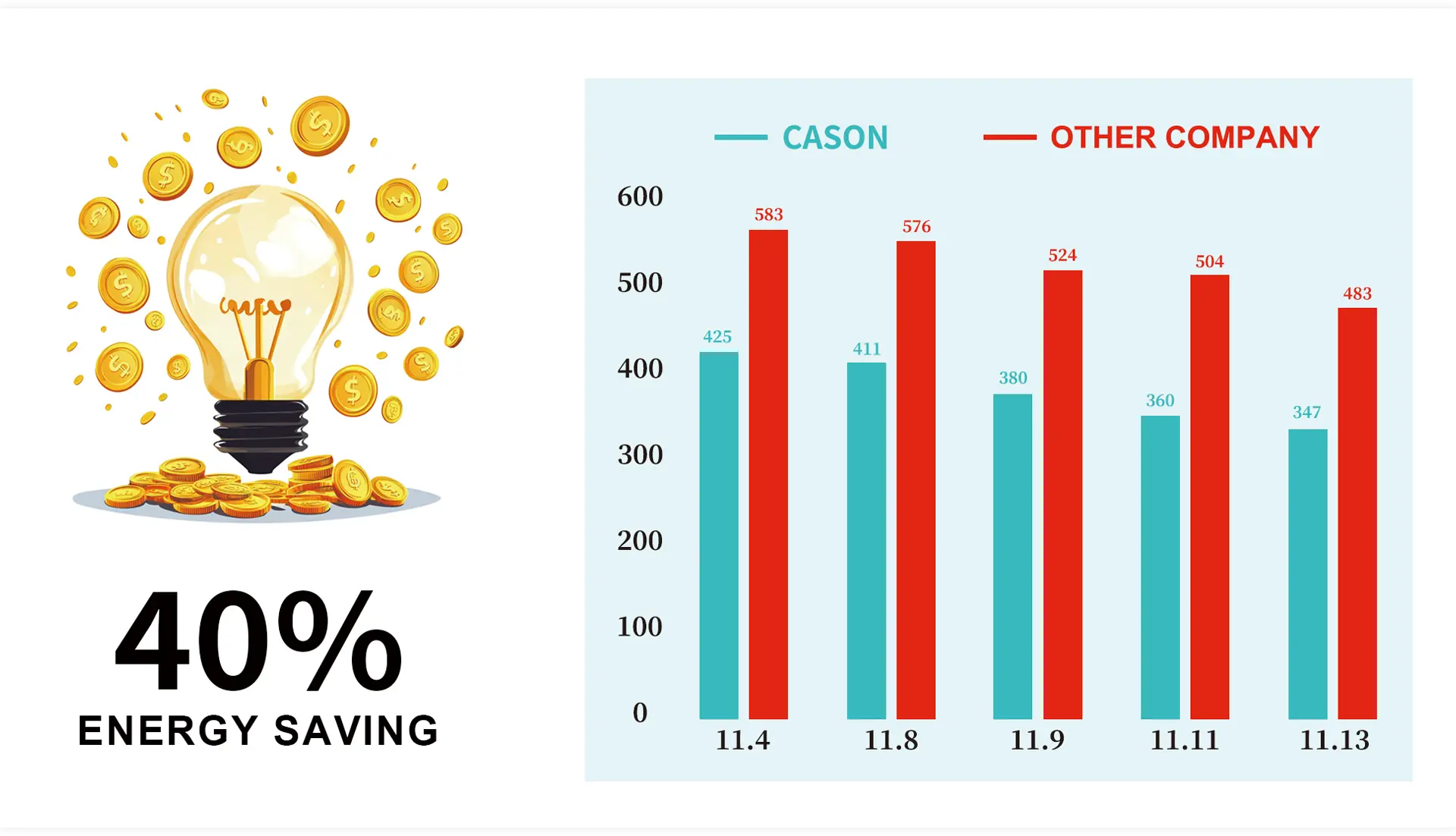
At Cason, we have witnessed firsthand how animal waste fermentation equipment can revolutionize waste processing. Unlike traditional composting piles, fermentation tanks employ a controlled environment that maximizes the efficiency of organic matter breakdown. This system utilizes advanced fermentation technology, where organic waste undergoes microbial activity in a sealed, temperature-regulated tank. The result is a faster, more consistent composting process. Additionally, these tanks are designed to capture heat generated during fermentation, recycling it to optimize the overall temperature, ensuring ideal conditions for the microorganisms involved.
The Role of Composting Piles in Sustainable Farming
While farm waste disposal compost fermentation tanks are becoming increasingly popular, composting piles remain a common practice in farm waste management. This natural method allows organic matter to decompose in open air, without the energy-intensive machinery involved in fermentation tanks. However, the process is slower and can be more affected by weather conditions, leading to inconsistent results. It also requires more space, which may not be ideal for farms with limited land area. On the other hand, composting piles are relatively low-maintenance and more economical upfront, but they lack the efficiency and energy savings offered by fermentation tanks.
How Cason’s Animal Waste Fermentation Equipment Stands Out
Cason’s animal waste fermentation equipment offers an advanced solution that combines superior energy efficiency and reliability. With a patented high-efficiency heat exchange system, these tanks capture and recycle heat produced during the fermentation process, minimizing heat loss and reducing energy consumption by up to 40%. The intelligent control system automates feeding, temperature regulation, and discharge, ensuring that your fermentation tank operates at peak performance with minimal effort. In contrast to composting piles, this system offers consistent, fast, and energy-efficient waste processing.
A Sustainable Solution for Waste Treatment
When comparing the two methods, Cason’s farm waste disposal compost fermentation tank provides a more sustainable option. With its energy-saving features and intelligent automation, it not only enhances waste disposal efficiency but also contributes to reducing the carbon footprint. In contrast, composting piles, while still viable for small-scale operations, may not offer the same level of energy efficiency or environmental benefits.
At Cason, we strive to provide solutions that make waste management simpler, more sustainable, and more effective. By integrating smart technology into our animal waste fermentation equipment, we aim to help farms across the world transform their waste management systems and contribute to a greener future.
Making the Right Choice for Your Farm
In summary, both fermentation tanks and composting piles have their advantages, but the decision ultimately depends on your farm’s size, resources, and sustainability goals. If you’re looking for a solution that delivers faster results, improved energy efficiency, and automated control, Cason‘s animal waste fermentation equipment is the way to go. Our farm waste disposal compost fermentation tank systems offer long-term benefits and are designed to meet the needs of modern, environmentally-conscious farming.