
As digital control becomes more common in modern farming, remote management has become an effective way for us to keep our Cason systems operating steadily and safely. When working with animal waste fermentation equipment or a manure fertilizer fermentation tank, stable remote monitoring helps us maintain reliable temperature, airflow, and material conditions without requiring constant on-site supervision. This approach supports operational efficiency and allows our team to handle multiple fermentation tasks even when production schedules are tight. Over time, these habits help maintain consistent overall performance and reduce unnecessary disruptions in daily work.
Key Elements of Daily Remote Maintenance
Remote maintenance begins with understanding how fermentation behaviors shift during different processing stages. When our team oversees animal waste fermentation equipment, we focus on the temperature curve, material moisture, oxygen balance, and mixing rhythm. These indicators show whether biological activity remains within the ideal range. To support this, our system provides real-time data access, which helps operators identify any parameter changes before they affect production. With these insights, we can adjust feeding intervals or airflow settings to help each manure fertilizer fermentation tank maintain a stable and predictable fermentation cycle. This daily supervision keeps the system aligned with farm workloads and seasonal variations.
Remote Tools That Strengthen Environmental Control
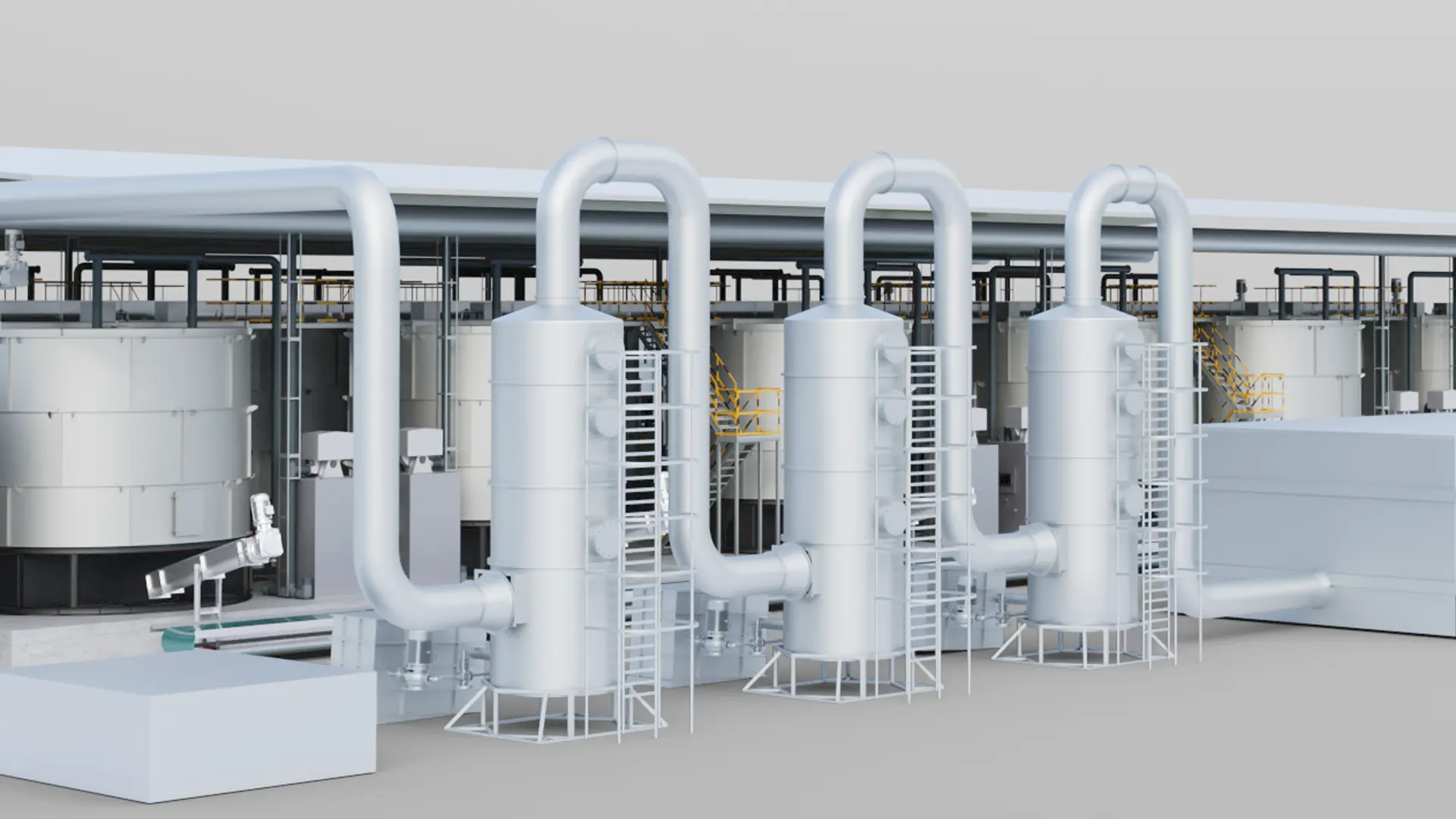
A major concern for many farms is environmental management, especially when processing organic waste. To support cleaner operations, our DT-240E and Centralized Odor Control System work together with a manure fertilizer fermentation tank to gather emissions from multiple units and send them through deodorization treatments. The system ensures that processed gases remain compliant before discharge. Using the remote interface, operators can track collection rates, fan operation status, and treatment efficiency at any time. For teams managing animal waste fermentation equipment from off-site locations, this remote visibility allows timely adjustments whenever odor handling conditions change. These functions help farms maintain cleaner surroundings and support long-term environmental goals.
Conclusion:Remote Oversight That Supports Stable Long-Term Use
Consistent fermentation performance depends on structured monitoring, timely adjustments, and reliable environmental control. Through our remote tools, including the DT-240E and odor management features, operators gain a clear view of system conditions without needing to remain on site. When managing animal waste fermentation equipment or overseeing a manure fertilizer fermentation tank, this remote approach simplifies daily work and helps protect both equipment reliability and environmental safety. With these practices, farms can maintain steady output and operate with greater confidence throughout the year.