
Managing animal manure efficiently and sustainably is essential for both reducing environmental impact and enhancing soil health. At Cason, we specialize in providing state-of-the-art animal waste fermentation equipment, including the highly effective animal feces fermentation tank. These systems can be tailored to meet your specific needs, ensuring that animal waste is transformed into valuable organic fertilizer. In this article, we’ll compare two of the most widely used methods for resource recovery: In-Vessel Composting and Bioreactors. Understanding their differences will help you decide which method best suits your operation.
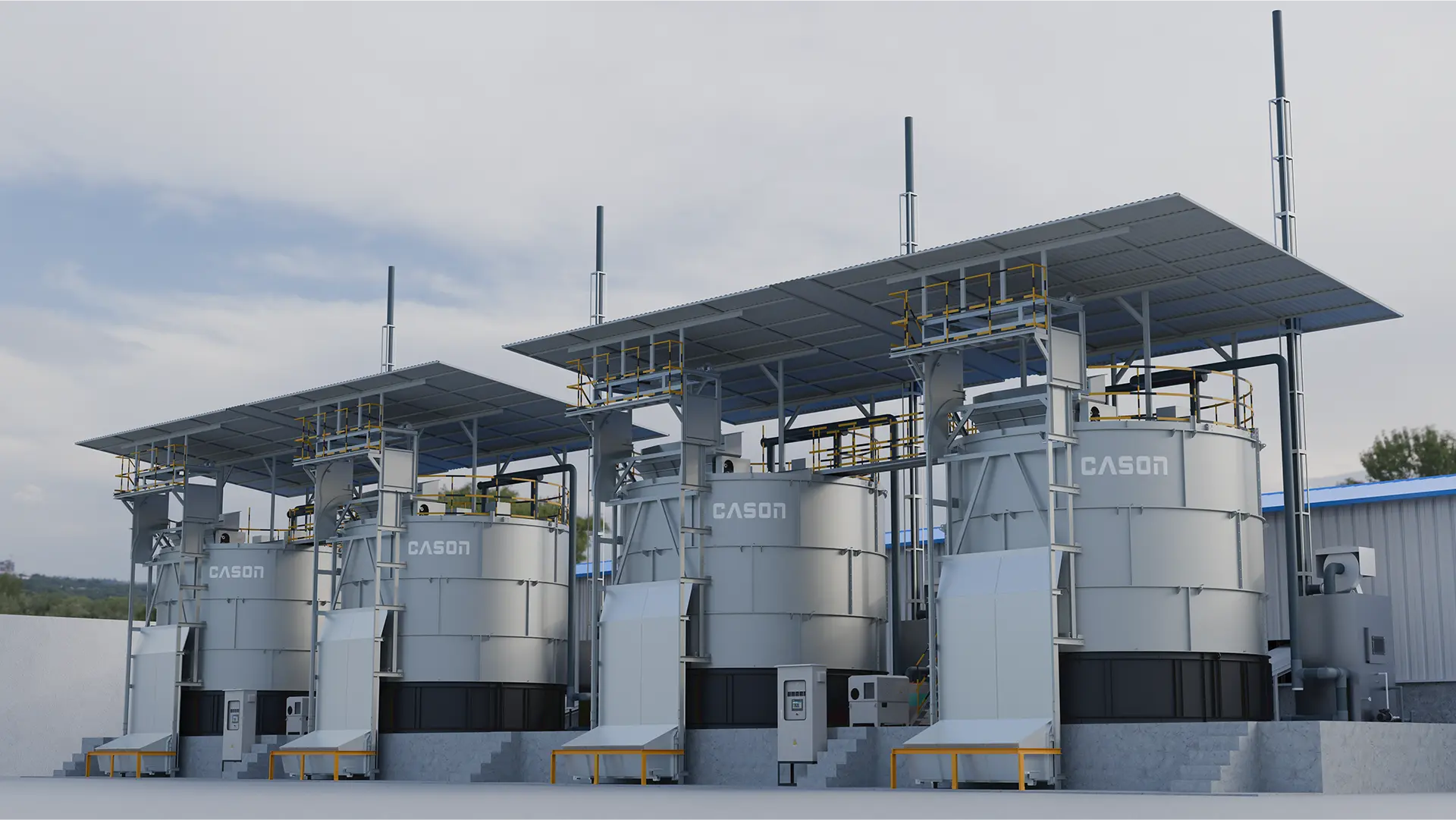
In-Vessel Composting: A Reliable Solution for Faster Decomposition
In-vessel composting is an efficient way to process animal waste in a controlled environment. The process occurs inside large, enclosed composting units, which allow for precise control over temperature, moisture levels, and airflow. By using animal waste fermentation equipment like the animal feces fermentation tank, Cason offers solutions that facilitate quick and hygienic decomposition of manure, ensuring the production of high-quality organic fertilizer. This method is ideal for farms or facilities that need to manage animal manure in an environmentally friendly and efficient manner. With advanced technology, this system helps accelerate decomposition and yields a consistent product faster than traditional composting.
The Power of Bioreactors in Waste Processing
Bioreactors utilize microbial processes to break down animal waste into liquid or semi-solid forms, making them a great choice for large-scale operations. At Cason, our bioreactor solutions are designed for high efficiency and continuous waste processing, with real-time monitoring capabilities through IoT integration. These systems enable you to optimize the fermentation process and achieve higher operational efficiency. By using animal waste fermentation equipment like our advanced bioreactors, businesses can scale up their waste management while ensuring a minimal environmental footprint. The system’s automated functions reduce labor costs and improve productivity, making it a highly effective solution for large operations.
Deciding Which System is Right for Your Needs
Choosing between in-vessel composting and bioreactors involves understanding the scale of your operation and your specific goals. Both systems offer distinct advantages. In-vessel composting provides a controlled environment for faster waste processing, while bioreactors offer scalability and continuous operation. At Cason, we are committed to helping you make the right decision. Whether you’re looking to create high-quality organic fertilizer or find an efficient waste disposal solution, our animal feces fermentation tank and other animal waste fermentation equipment can be customized to meet your specific needs. Regardless of the method you choose, you can expect a quick return on investment with costs typically recovered within two to three years.
Unlocking the Potential of Animal Waste
At Cason, we understand the importance of sustainable waste management and resource recovery. With our animal waste fermentation equipment, including the highly efficient animal feces fermentation tank, we can help you transform animal manure into a valuable resource. Whether you opt for in-vessel composting or bioreactors, our team will guide you through the process, ensuring that your system is tailored to your exact requirements. With the right solution in place, you can boost your agricultural productivity, reduce waste, and enhance soil health, all while benefiting from a fast return on investment.