
The purchase quote is only the first number you see. The industrial fertilizer fermentation tank operating cost comes from electricity, labor, moisture adjustment, odor treatment, maintenance, feeding, and discharge. If you run a livestock farm or fertilizer plant, the better question is not simply “What is the fertilizer fermentation tank cost?” It is “What will each ton of manure cost to process?”
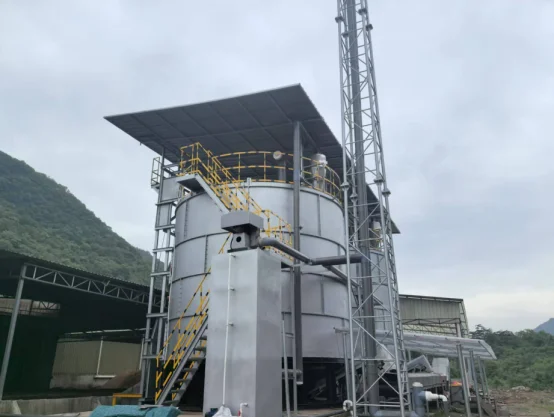
A modern organic fertilizer fermentation tank uses forced aeration, mechanical mixing, heat retention, and automatic controls to keep aerobic fermentation stable. Daily cost still depends heavily on manure condition and local utility prices.
What Is Included in the Industrial Fertilizer Fermentation Tank Operating Cost?
A useful budget separates equipment investment from daily expenses. The organic fertilizer fermentation tank operating cost should cover each item needed to move manure in, keep fermentation active, treat exhaust gas, and move finished material out.
Main Daily Cost Items
A simple formula is:
Daily Operating Cost = Electricity + Labor + Bulking Materials + Water + Odor Treatment + Maintenance + Material Handling
Electricity powers blowers, mixing drives, exhaust fans, hydraulics, conveyors, controls, and deodorization equipment. Labor changes with the feeding and discharge method. Maintenance covers parts, lubrication, filters, sensors, seals, and planned service.
How Much Electricity Does an Industrial Fermentation Tank Use?
There is no credible universal kWh figure. Fertilizer fermentation tank electricity consumption changes with tank size, blower control, mixing frequency, manure density, ambient temperature, and throughput. A larger unit can draw more power each day but still cost less per ton if it processes more material.
Aeration and Mixing Energy
Aeration is often a major electrical load. Traditional layouts may use several blowers continuously. A variable frequency system can adjust airflow according to tank pressure and temperature instead of pushing maximum air all day. This affects fertilizer fermentation tank power consumption and aerobic fermentation tank energy consumption.
Dense manure also needs low speed, high torque mixing. Some tank designs send air through the shaft and blade openings while the material turns, helping oxygen reach more of the mass.
Heat Retention Matters Too
Microbial activity generates heat during active aerobic fermentation. Internal temperatures can remain around 55 to 70°C, so the process does not depend only on electric heating. A sealed double layer stainless steel chamber with polyurethane insulation reduces heat loss. In cold weather, poor insulation can quietly become a utility bill.
How Do Moisture and Labor Change the Cost per Ton?
Two farms using the same tank can see different manure fermentation tank operating cost. Raw material condition is one reason. Feeding method is another.
Moisture Adjustment Can Add Real Cost
Chicken and pig manure generally ferment efficiently at about 50% to 60% moisture in this tank process. When manure is too wet, oxygen movement becomes difficult and aerobic activity drops. Straw, dry manure, or finished compost may need to be mixed in.
Those materials have a price. So do storage and handling. During a wet season, a few extra loader trips and a bigger straw pile may look minor, but over hundreds of operating days they become real OPEX.
Automation Changes Labor Demand
Manual feeding often means a loader fills a hopper, then a lifting system carries material to the tank top. A remote conveying system can move manure toward the tank and add a mixer when moisture correction is needed.
PLC control, alarms, automatic discharge, and remote monitoring can reduce routine checking. The goal is not zero labor. It is fewer repetitive tasks and fewer avoidable operating mistakes.
What Does Fertilizer Fermentation Tank Maintenance Cost?
The fertilizer fermentation tank maintenance cost is easy to underestimate because it arrives in small pieces. A sound budget includes scheduled service and wear caused by dust, moisture, heat, and dense organic material.
Mechanical and Tank Maintenance
Key points include the mixing shaft, blades, bearings, hydraulic cylinders, discharge gate, blowers, ducts, sensors, and seals. Stainless steel contact surfaces and good insulation can support long service, but they still need inspection. Preventive work is usually cheaper than stopping a loaded tank after a component fails.
Odor Control Is an Operating Item
Odor control consumes power, water, and service materials. A closed system can combine cyclone dust separation, spray treatment, acid washing, and biological filtration. Removing dust before later treatment stages reduces clogging and airflow resistance.
A blocked exhaust line is not an exciting budget topic. It is still expensive. Higher resistance makes fans work harder and increases cleaning frequency.
How Do You Calculate Manure Treatment Cost per Ton?
Daily spending alone can mislead you. Manure treatment cost per ton connects OPEX with actual processing capacity, making different tank sizes easier to compare.
Use a Simple Cost Formula
Start with:
Electricity Cost = Average Operating Power × Operating Hours × Local Electricity Rate
Add labor, bulking material, water, deodorization, handling, and a daily maintenance allowance.
Then:
Manure Treatment Cost per Ton = Total Daily Operating Cost ÷ Tons Processed per Day
If you calculate organic fertilizer production cost per ton, keep the boundary clear. Fermentation is only one stage. Material may still need aging, conveying, screening, granulation, drying, packing, or storage.
How Does Industrial Composting Tank Operating Cost Compare with Traditional Composting?
Industrial composting tank operating cost should not be compared with open composting by electricity alone. Open piles may use less electrical equipment, but they can require more land, loader or turner work, weather management, odor control, and longer residence time.
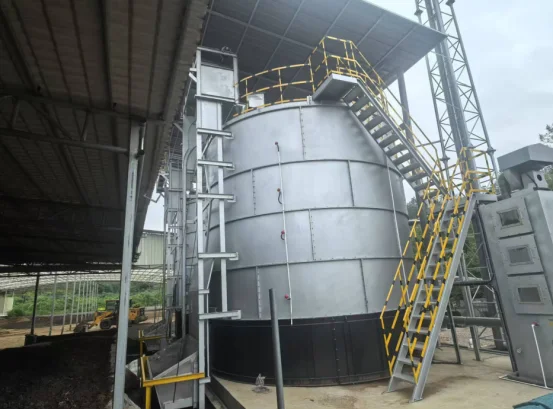
A closed vertical aerobic tank can complete the documented active fermentation process in roughly 7 to 11 days. It keeps material enclosed, uses forced oxygen supply, and discharges material to an aging area. The practical comparison is total cost per ton at the required daily capacity, not which option has the smallest motor.
How Can Equipment Design Lower Lifetime Operating Cost?
Once cost is measured per ton, equipment design becomes easier to judge. A cheaper machine can become expensive if it needs constant full airflow, frequent cleaning, manual feeding, or repeated downtime.
Cason develops livestock manure treatment equipment within an integrated business covering R&D, manufacturing, installation, and after sales support. For operating cost, relevant capabilities include enclosed 304 stainless steel fermentation chambers, polyurethane insulation, variable frequency aeration, PLC based monitoring, remote material conveying options, and staged odor treatment.
The company also provides localized technical support through its Southeast Asian network. These details matter because energy use, labor, heat retention, dust control, and maintenance directly shape lifetime cost.
FAQ
Q1: What is the average industrial fertilizer fermentation tank operating cost?
A: There is no reliable fixed figure without tank capacity, local electricity price, labor rate, manure moisture, and operating schedule. Calculate daily OPEX first, then divide it by actual tons processed.
Q2: How do you calculate fertilizer fermentation tank power consumption?
A: Add the average running power of blowers, mixers, exhaust equipment, conveyors, hydraulics, controls, and deodorization equipment, then multiply by operating hours.
Q3: What has the biggest effect on manure treatment cost per ton?
A: Throughput, electricity, moisture adjustment, labor, and odor treatment are usually the first items to check. High moisture can also raise bulking material and handling costs.
Q4: Is fertilizer fermentation tank maintenance cost high?
A: It depends on design and operating conditions. Mixing parts, blowers, hydraulic components, ducts, seals, filters, and deodorization equipment belong in the annual maintenance budget.
Q5: How can you reduce organic fertilizer production cost per ton?
A: Keep incoming moisture suitable for aerobic fermentation, use controlled aeration, reduce unnecessary manual handling, maintain airflow paths, and measure cost against real daily throughput rather than equipment power alone.