
Open the service door of a manure composting machine and you won’t find a heater doing all the work. The heat mainly comes from living microorganisms. They feed on biodegradable material in the manure, and they need oxygen while they do it.
The machine’s job is to keep that small biological world usable. It blows air into the charge, turns the material, holds onto useful heat, and gives wet air a way out. Sensors tell the operator what the equipment can measure. They don’t remove the need to look, listen, and keep notes.
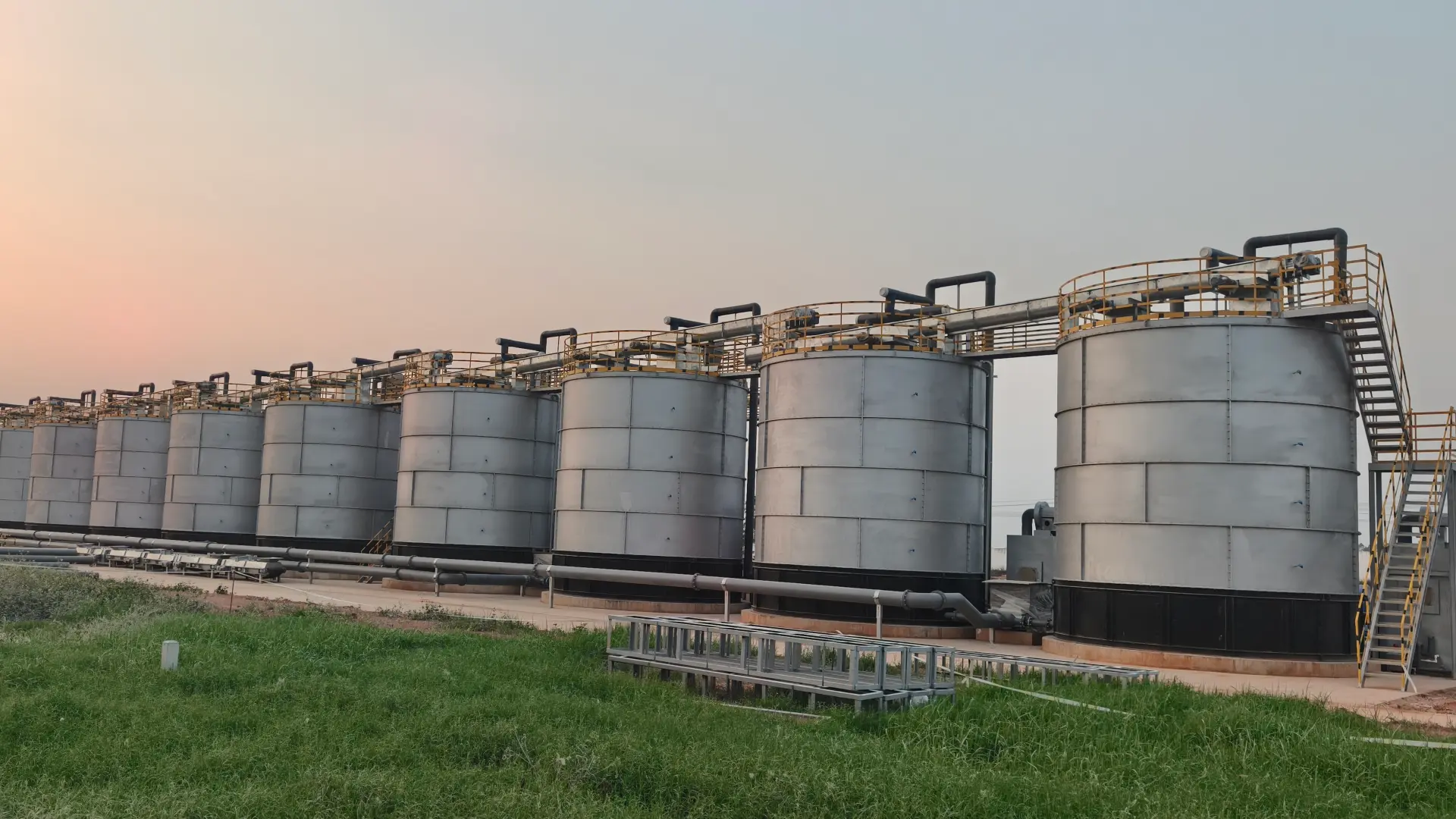
That’s why a manure composting machine is closer to a managed process chamber than a simple tank. Cason’s manure composting equipment range includes different models, but the same question comes first on every project. What sort of manure will actually go into the vessel each day?
What needs checking before a load goes in?
Farm manure changes more than people expect. More wash water on Monday can make Tuesday’s load noticeably wetter. Bedding changes its structure. Rain matters if material waits outside. Even a different collection interval can alter how the charge behaves.
We therefore want more than an annual tonnage figure. A loading note should say where the manure came from, roughly how much went in, what its moisture reading or condition was, and whether bedding or another material was mixed with it. Stones, plastic, wire, and long fibers need to be removed before they meet the paddles.
Take a wet, compact load as an example. It may look easy to pump or convey, yet the same water can fill the free spaces where air should move. The blower runs, but oxygen follows a few open paths and bypasses dense clumps. In that case the operator may need a verified conditioning step. Another farm may not. There is no honest universal recipe here.
What are the blower and paddles doing together?
Cason’s vertical machine sends air through passages in the mixing assembly and out through openings in the paddles. When the shaft turns, those paddles lift and shift the manure. Fresh surfaces meet the air, and compacted pockets are opened.
Picture one sticky clump sitting near the center of the vessel. Air will usually go around it if an easier route exists. Turning changes the route. It doesn’t guarantee perfect contact, but it gives that material another chance to join the aerobic part of the batch.
Operators sometimes ask whether more air will solve a slow batch. Sometimes airflow is part of the answer. Sometimes it makes the problem worse. A high setting can carry heat away or dry one area faster than another. A low setting can leave the middle wet and short of oxygen. Feed condition, fill level, temperature movement, motor load, and exhaust all help explain what is happening. The aerobic manure fermentation tank selection guide covers the information needed before a model and its operating range are chosen.
Why does the temperature rise?
Microbial metabolism releases heat. When suitable manure has enough oxygen and moisture, the temperature usually starts to climb. The insulated wall then slows heat loss to the yard. This is useful overnight and during cold weather, when an open pile would lose heat much faster.
The screen may show a reassuring number. Don’t stop there.
A probe only knows the material around the probe. The far side of the vessel may be wetter, drier, or less mixed. Look at the curve over time and compare it with the loading and mixing records. A sudden peak means something different from a steady rise followed by a gradual change.
Temperature also has an upper limit. Excess heat can reduce useful microbial activity, while too much cool air can pull the process down. If a project makes a pathogen-reduction claim, it needs a validated time-and-temperature method and the local standard. A warm reading by itself isn’t proof.
How does water leave the manure?
Some water arrives with the feed. Microbial breakdown creates more. Heat changes part of that water into vapor, and the air moving through the vessel carries the vapor toward the exhaust.
This gives airflow three jobs at once. It brings oxygen, moves moisture, and affects temperature. Change the air and all three move, though not always at the same speed. That is why a single blower setting cannot suit every load.
You can often see the relationship in the records. A wetter batch warms slowly, so an operator raises the air. The outlet material then looks drier at the edge while the center is still heavy. The sensible next step is to check the charge and the mixing history, not keep turning the fan up.
Process air may carry vapor, dust, ammonia, and other odor-bearing compounds. Ductwork draws it toward the selected treatment equipment. Slight negative pressure also helps keep that route under control. Any condensate collected along the way needs somewhere planned to go.
What can the PLC tell you, and what can it miss?
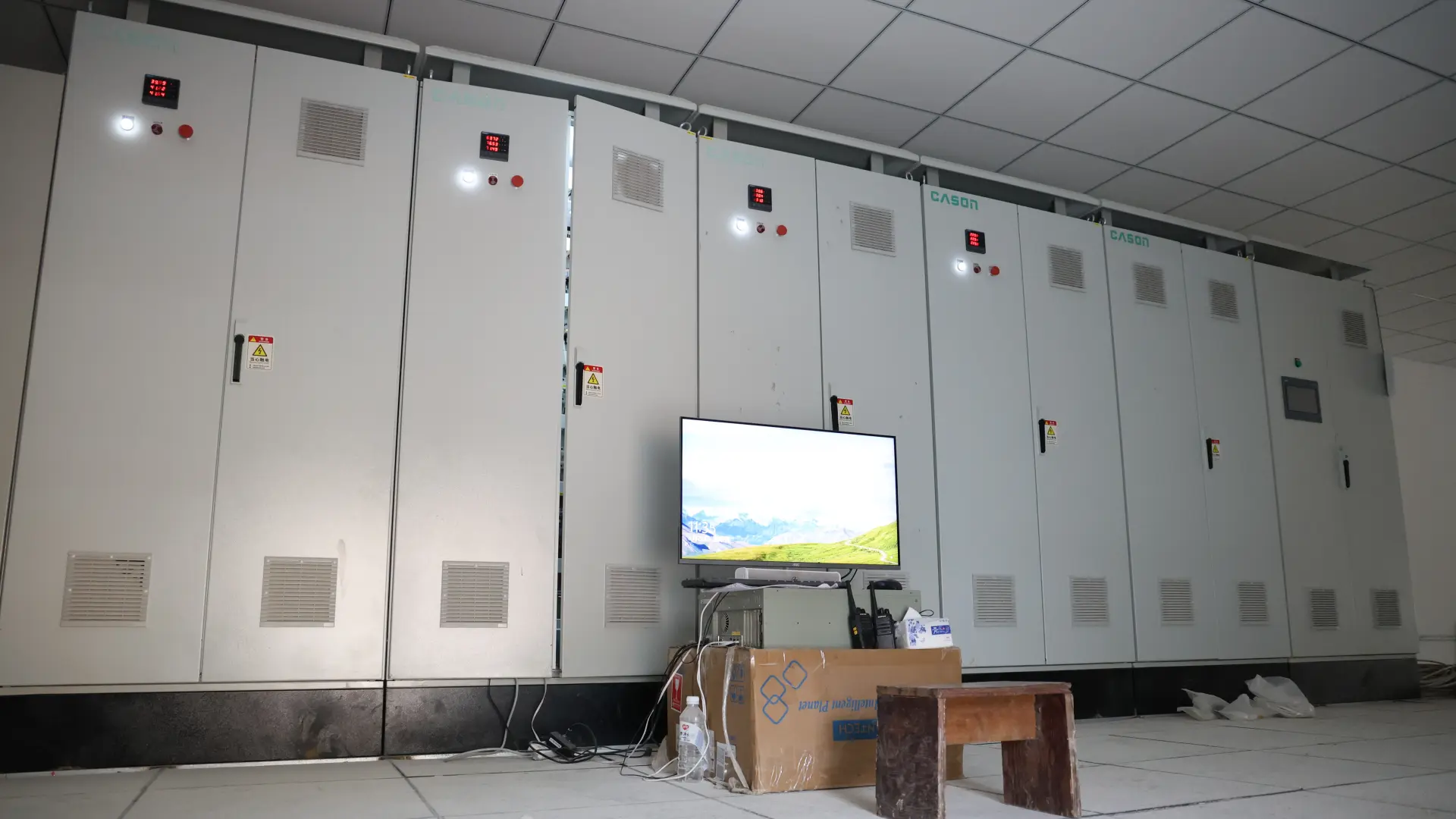
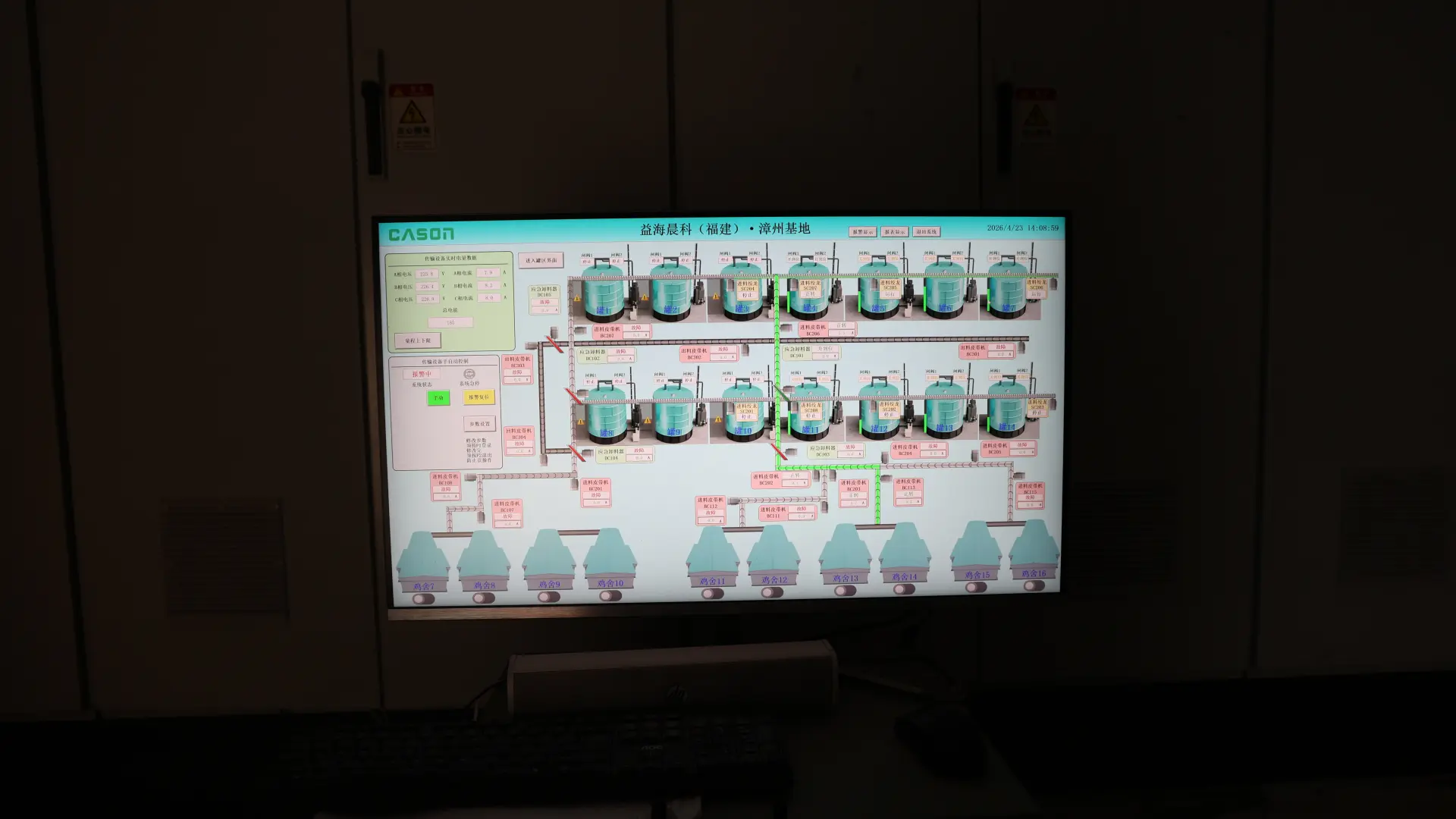
The PLC keeps feeding, mixing, blowers, alarms, and discharge in the right sequence. Depending on the machine configuration, the screen can show temperature, operating state, and fault information. When a drive stops, the operator has a place to begin rather than walking around the vessel guessing.
Still, the PLC sees signals, not manure. It may confirm that a blower is running while several air openings are partly blocked. It may show one temperature without revealing a wet pocket a meter away. A good shift check includes the screen, the sound of the drive, the condition of the exhaust route, and the next discharged batch.
When a temperature curve looks odd, we check the load before changing settings. Was it wetter than usual? Did the mixer run? Was the vessel filled differently? Did an alarm appear at the same time? Cason’s Malaysia fermentation project shows this kind of real-time monitoring on an installed system.
When is the material ready to discharge?
The programmed retention time is a starting point. Before opening the outlet, review what happened during the batch. Temperature, mixing, alarms, and any unusual loading note belong in that check. The receiving area should also be clear, since treated material still has to move somewhere.
What should the operator look for? Free liquid is one sign that the batch needs attention. So are large unmixed lumps, foreign material, or an odor that is much stronger than normal. If the project requires sampling, take it across the material. One dry handful from the edge can give a comforting but misleading result.
Discharge from the vessel may be an organic-fertilizer intermediate. It can still need curing, screening, blending, storage, or laboratory confirmation before sale or field use. The Vietnam farm project is a useful operating reference, but its test result belongs to that farm. A buyer in another country needs acceptance criteria for the local use and local rules.
Which notes are actually useful after a bad batch?
Nobody wants another form that sits blank in the control room. Keep the batch log short enough to use. Record the source, amount, moisture condition, conditioning material, temperature curve, mixer and blower events, alarms, discharge time, and a plain description of the output. Attach test results when they are required.
Those few lines can save hours later. A slow warm-up can be traced to a wet collection day. A section of heavy material may line up with a missed mixing event. Repeated blower load changes may point to blocked air openings.
Machine care belongs in the same record. Note when air outlets were cleaned, a sensor was checked, hydraulic work was done, or a drive component was adjusted. If the next three batches behave differently, the service engineer can see what changed instead of starting from zero.
What should a farm send Cason for model review?
Send the information that describes an ordinary week and the awkward days. We need animal type, collection method, normal and peak daily volume, several moisture results, bedding or other mixed material, current storage time, power supply, local climate, planned operating hours, and the intended destination of the treated material. A phone photo of the manure can be surprisingly useful. A simple site drawing helps too.
It’s also fair to ask us detailed questions. Where does air enter? How do the paddles move a dense charge? What can the PLC display? How is exhaust pulled from the vessel? What manure condition sits behind the stated capacity? Tank volume alone won’t answer those questions.
To start that review, contact Cason with the manure source, daily volume, moisture results, collection pattern, mixed materials, utilities, and planned output use. We’ll identify a suitable enclosed treatment approach and tell you which missing inputs should be tested before choosing the machine.