
Food waste disposal has become a major challenge for large-scale farms and agricultural enterprises. At Cason, we have observed that traditional incineration methods, while common, often present environmental and operational drawbacks. In contrast, using a food waste fermentation tank provides a sustainable, efficient, and resource-conscious approach. Our company emphasizes solutions that not only handle waste effectively but also create value through organic fertilizer production.
Sustainable and Efficient Processing
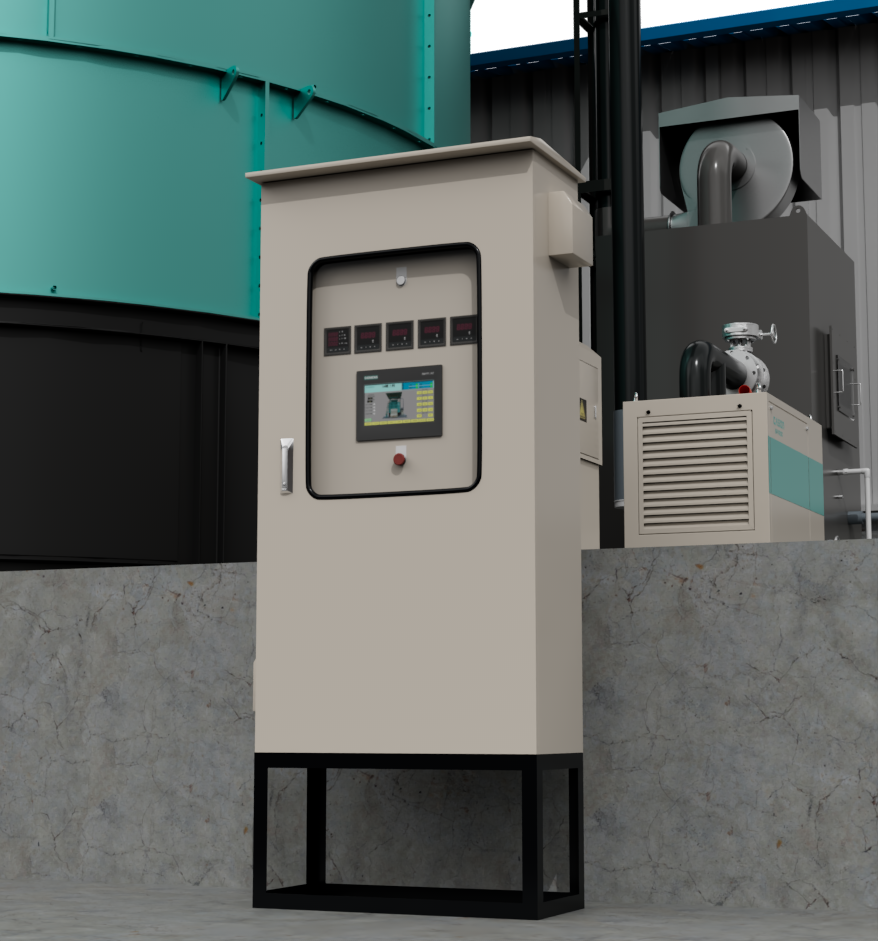
When we implement a food waste fermentation tank on a farm, it allows organic waste to undergo controlled aerobic fermentation, reducing odors and minimizing pathogens. Unlike incineration, which consumes energy and produces emissions, fermentation converts waste into nutrient-rich compost naturally. We have designed our systems to integrate seamlessly with existing farm operations, ensuring that solid waste management becomes an automated, low-maintenance process. The compact design of the C-140E food waste fermentation tank integrates auxiliary systems such as material conveying, energy-saving modules, and electrical controls, which centralize operation, simplify maintenance, and support remote monitoring, making the fermentation process practical and efficient for farms and large-scale food facilities.
Enhancing Fertilizer Production
Beyond waste reduction, the fermentation process contributes directly to producing high-quality fertilizer. Our food waste fertilizer machine ensures consistent material quality, allowing farms to recycle nutrients back into soil for crops or pasture. By utilizing this method, our clients can close the loop of organic waste management, creating a circular system that benefits both the environment and operational costs. The machine’s robust design and automation capabilities allow operators to monitor temperature, moisture, and oxygen levels efficiently, achieving optimal fermentation results, while the C-140E food waste fermentation tank integrates supporting systems such as material conveying, energy-saving modules, and electrical controls to assist the core fermentation process and ensure stable, consistent performance.
Seamless Integration and Operational Support
At Cason, we prioritize end-to-end service. From pre-sales consultation to installation and after-sales support, our teams work closely with farm operators to ensure smooth adoption of food waste fertilizer machine technology. Our system’s automation reduces the need for manual intervention, and timely follow-ups by our engineers strengthen long-term client relationships. By connecting fermentation tanks, feeding systems, and compost collection units, we deliver a fully integrated solution that meets modern ecological and productivity standards.
Conclusion: Why Fermentation Surpasses Incineration
Fermentation tank treatment represents a forward-thinking solution for food waste management. By converting organic materials into usable fertilizer, our approach supports environmental sustainability, operational efficiency, and resource optimization. Farms equipped with our Cason fermentation solutions benefit from reliable automation, safety, and measurable outcomes, while also contributing to green agriculture initiatives. We believe that adopting food waste fermentation tank and food waste fertilizer machine technologies provides a practical, eco-friendly alternative to incineration, fostering healthier farm ecosystems and stronger operational resilience.