
As food waste volumes continue to rise across agricultural and livestock operations, many groups are reconsidering how to manage daily organic materials responsibly. At the beginning of this discussion, the role of a food waste fermentation tank becomes essential because it offers a structured, controlled, and environmentally aligned process for treating organic waste. As Cason, we have seen how operators now look for systems that not only reduce environmental pressure but also strengthen long-term resource efficiency. Unlike landfilling, which relies on slow decomposition and produces uncontrolled emissions, fermentation provides measurable progress toward a closed, cleaner, and more predictable waste-treatment cycle.
How Fermentation Differs From Landfilling
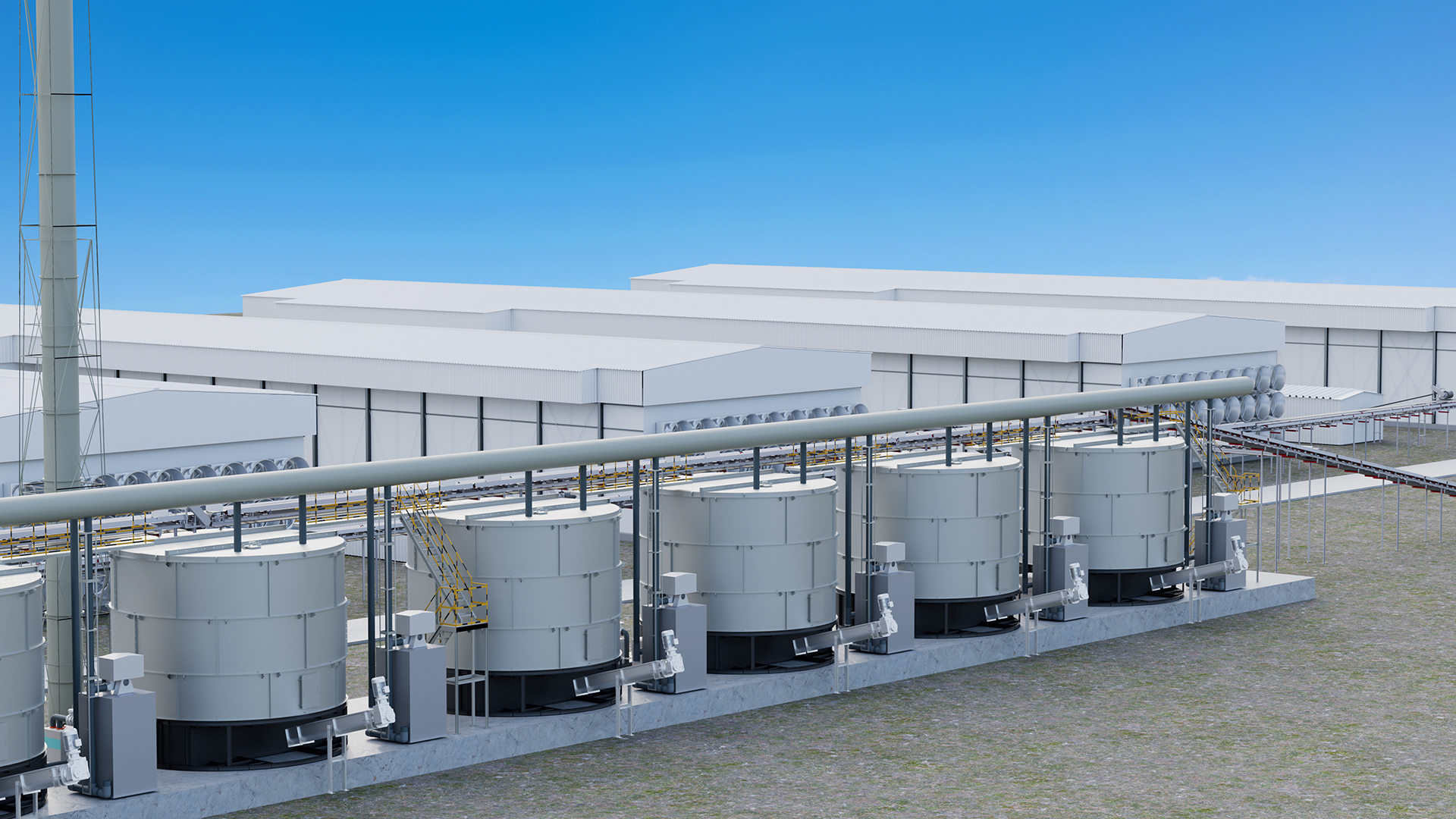
When comparing fermentation with landfilling, the difference begins with process control. A food waste organic fertilizer fermentation tank allows us to maintain proper temperature, aeration, and moisture so organic waste can break down efficiently and safely. Landfilling, by contrast, leaves waste in an unmanaged environment, where decomposition varies widely and may create odors and methane release. With fermentation, the output becomes a usable soil amendment that supports agricultural productivity, whereas landfill waste requires long-term space management and ongoing monitoring. Our company developed complete solutions to support this transition, enabling farms and livestock facilities to convert waste into value without unnecessary delays or environmental burdens.
Practical Benefits for Modern Operations
For many of the farms and livestock groups we serve, daily efficiency is just as important as environmental compliance. This is where equipment such as our food waste fermentation tank system becomes meaningful in real operations. To support smoother workflows, we also designed the Remote Conveying System, a compact and dependable solution that simplifies material handling for fermentation units. With fully automatic and continuous conveying, labor demand remains low, and enclosed transport helps minimize dust and unpleasant smells. This system fits diverse sites, allowing our company to offer a more complete workflow—from initial waste collection to final organic fertilizer production—while maintaining the stable performance our customers value.
Conclusion: Choosing the Right Path for Waste Treatment
Selecting between fermentation and landfilling ultimately depends on the long-term goals of each operation. Compared with landfill disposal, which continues to carry environmental uncertainty and limited resource recovery value, the C-140E food waste organic fertilizer fermentation tank offers faster processing, more stable fermentation conditions, and more consistent output quality. At Cason, we provide integrated fermentation solutions centered on the C-140E fermentation tank, with supporting systems such as conveying, control, and energy management working together to assist the core fermentation process rather than functioning as standalone equipment. Through this well-structured approach, we support agricultural and livestock partners in moving beyond traditional landfilling toward a cleaner, more efficient, and more sustainable cycle for managing food waste.