
As a Cason fertilizer fermentation tank manufacturer, we often work with partners who want clarity on organic waste composting regulations and ISO standards. Many customers from livestock groups and farming associations need systems that operate safely, meet environmental expectations, and comply with international guidelines. Our experience shows that when farms understand these regulatory frameworks early, they can plan facilities more confidently and select equipment that fits long-term sustainability goals. This is also why our role as a commercial composting machine manufacturer requires us to stay aligned with evolving compliance trends while ensuring that our solutions meet industry expectations.
Regulatory Frameworks Shaping Organic Waste Treatment
Policies governing organic waste composting focus on safety, odor control, resource recovery, and environmental protection. When we communicate with livestock procurement teams or technical supervisors, we often explain how national environmental regulations emphasize proper treatment temperatures, pathogen elimination targets, and emissions control. As a fertilizer fermentation tank manufacturer, we design our solutions to integrate these requirements into daily operation. For example, our system’s precise temperature management supports stable aerobic fermentation, helping facilities meet hygiene specifications while maintaining operational efficiency. As a commercial composting machine manufacturer, we also guide customers on the importance of compliance documentation, operational logs, and standardized workflow to ensure long-term regulatory consistency.
How ISO Standards Strengthen Operational Reliability
ISO standards play an important role in giving farms a structured quality framework. Requirements related to environmental management, equipment safety, and process control help users build predictable and transparent composting practices. When we work with large livestock companies, many want equipment that aligns with ISO procedures, especially for traceability and process validation. This motivates us as a fertilizer fermentation tank manufacturer to refine system design, automation logic, and safety functions in a way that supports ISO-oriented operation. Our experience as a commercial composting machine manufacturer also shows that ISO-aligned processes reduce maintenance risks and create smoother communication between farms, regulators, and equipment providers.
Conclusion:Ensuring Compliance Through Technology and Practical Planning
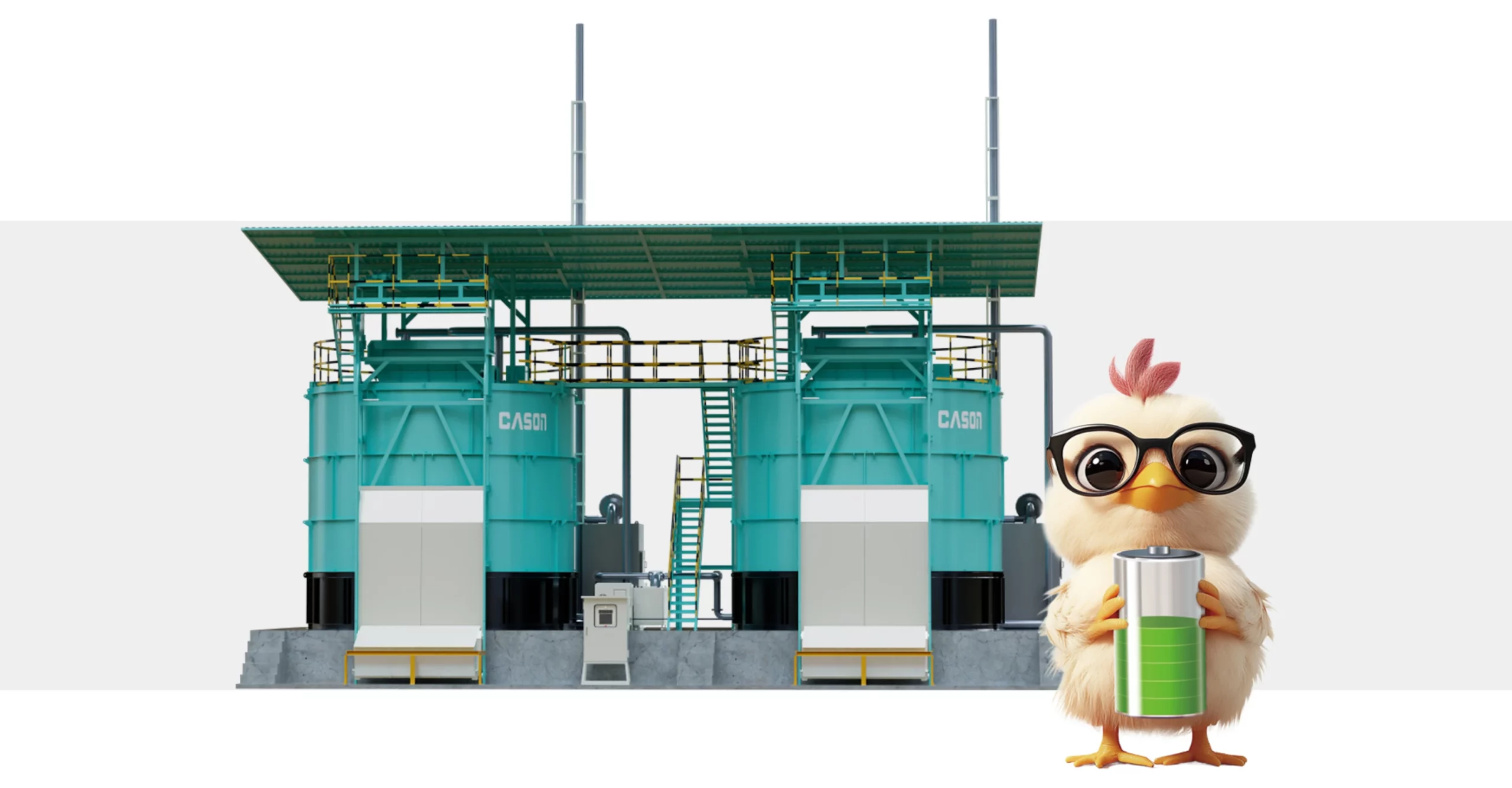
Building a compliant composting workflow involves understanding regulations, applying ISO principles, and selecting equipment that fits both. As a fertilizer fermentation tank manufacturer, we emphasize solutions that support long-term regulatory stability. Our energy-efficient Cason Fertilizer Fermentation Tank achieves up to 40% energy savings and offers controlled, odor-free aerobic fermentation for livestock manure and carcass treatment. As a commercial composting machine manufacturer, we focus on seamless system integration so farms can maintain consistent documentation, stable performance, and full compliance throughout the composting cycle. By using reliable technology and structured planning, farms can turn organic waste into a valuable resource while meeting all required standards.