
In recent years, the agriculture industry has been under increasing pressure to improve waste management practices. The environmental impact of traditional methods is significant, and as a result, there has been a shift towards more sustainable and automated solutions. At Cason, we recognize the importance of innovation in the field of farm waste disposal and animal waste fermentation equipment. This article explores how automation is transforming the industry and the role of advanced equipment like farm waste disposal compost fermentation tanks in creating a more efficient and eco-friendly future.
A New Era in Farm Waste Disposal
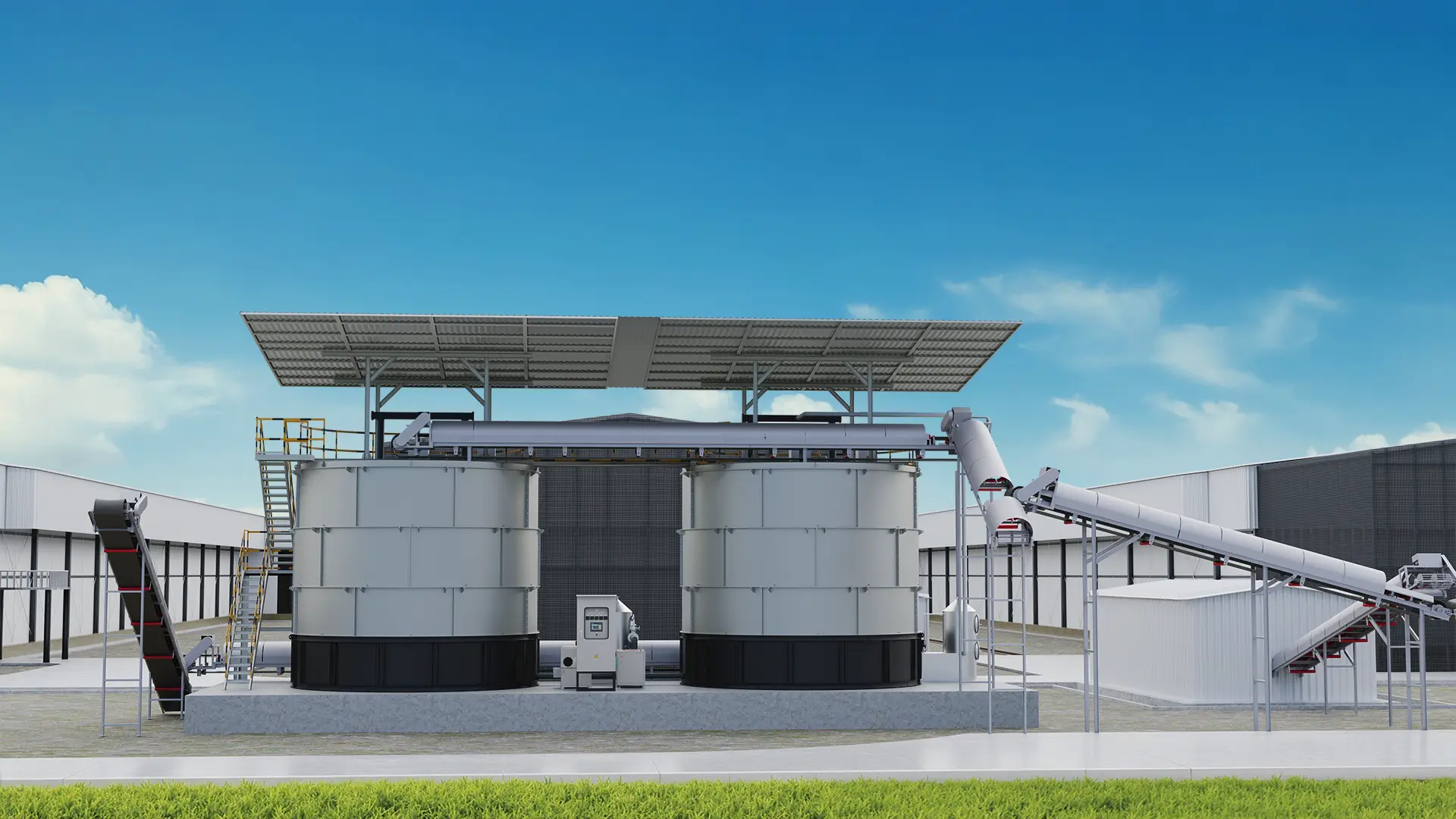
The agricultural sector is seeing a growing need for modern waste management solutions, particularly in animal waste disposal. Cason’s animal waste fermentation equipment is designed to not only meet these needs but also to improve overall efficiency. This equipment automates the fermentation process, allowing for better resource use while reducing manual labor. The introduction of such technologies ensures that farms can handle waste in a manner that aligns with both economic and environmental goals.
Benefits of Automated Fermentation Systems
Automation in farm waste disposal is a game-changer. Cason’s farm waste disposal compost fermentation tank is a key example of how automation can optimize the waste management process. These systems operate efficiently, reducing human error and ensuring consistency in the fermentation process. By automating material handling and fermentation, farms can achieve higher yields, reduce operational costs, and improve sustainability by processing waste in an environmentally responsible manner.
Sustainable Practices Through Innovation
Sustainability is at the core of Cason’s philosophy, and our animal waste fermentation equipment is designed with this in mind. The equipment helps farms turn waste into valuable compost, reducing landfill waste and minimizing the carbon footprint of farming operations. The closed-loop systems, such as farm waste disposal compost fermentation tanks, contribute to reducing the environmental impact of farming by recycling nutrients back into the soil, enhancing soil health and reducing the need for synthetic fertilizers.
Embracing Automation for a Greener Future
With automation paving the way, Cason’s animal waste fermentation equipment is leading the charge towards more sustainable farming practices. By integrating technologies like the farm waste disposal compost fermentation tank, we can ensure that farms not only manage waste more effectively but also contribute to a cleaner, more sustainable environment. The future of farm waste management lies in solutions that are both automated and environmentally conscious, and at Cason, we are committed to being part of this transformation.
Moving Toward a Sustainable Future
The integration of automation in animal waste fermentation equipment and farm waste disposal compost fermentation tanks is setting the foundation for more sustainable farming practices. At Cason, we are proud to be part of this movement, providing farms with the tools they need to reduce their environmental impact while enhancing operational efficiency. With our advanced systems, farms can embrace the future of waste management—efficient, automated, and sustainable.