
Handling food waste efficiently has become an essential part of running a modern farm. At Cason, we design food waste fermentation tank systems that turn organic waste into nutrient-rich fertilizer, helping farms maintain both productivity and sustainability. By selecting the right capacity, operators can ensure consistent performance, reduce operational challenges, and make the most of their daily organic waste output. Our experience allows us to guide farms in finding solutions that fit their specific needs while supporting long-term environmental goals.
Understanding System Requirements
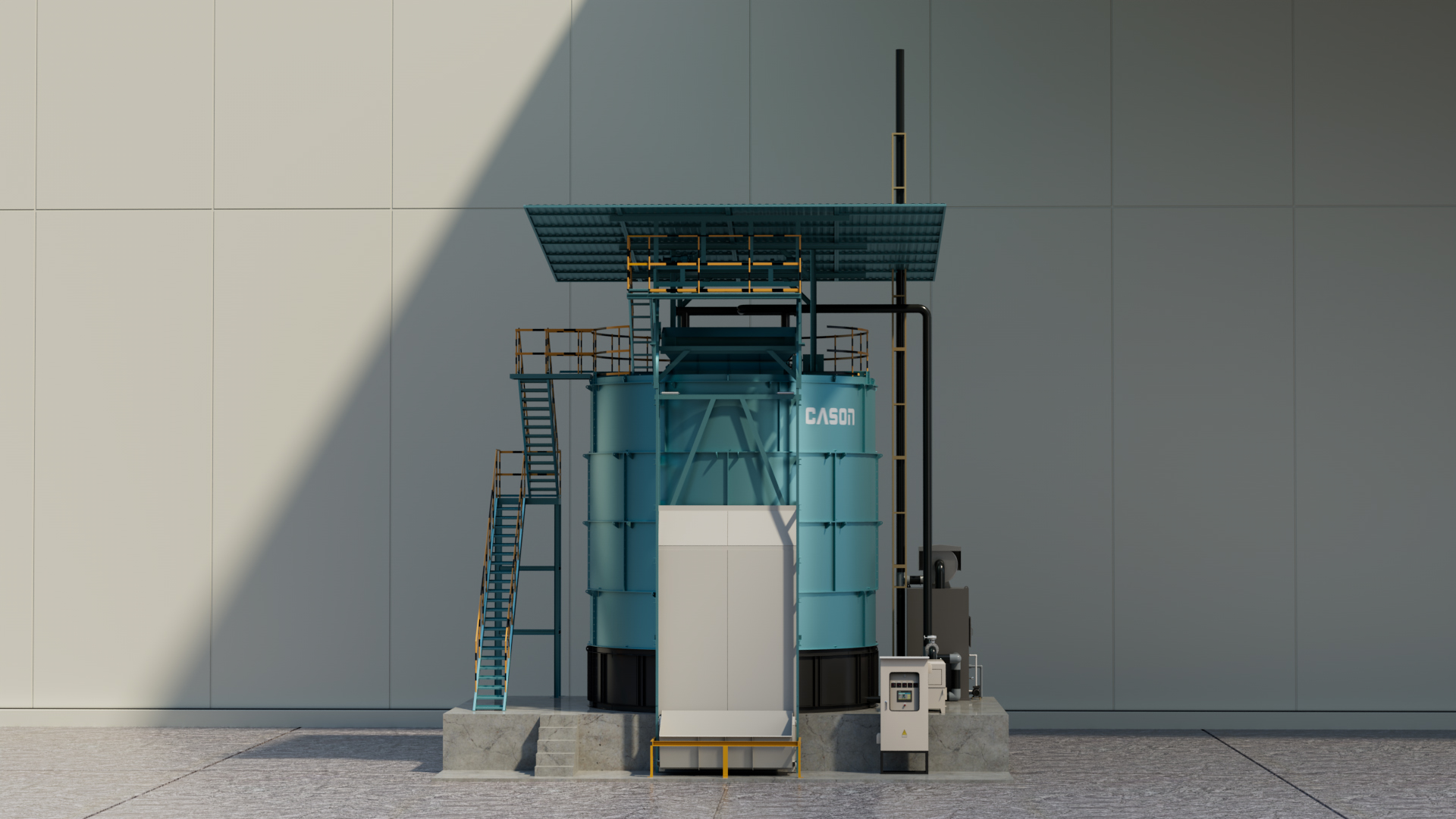
When considering a food waste fertilizer machine, it is crucial to evaluate the volume of organic waste produced daily. We work closely with our clients to determine the proper tank capacity, ensuring that fermentation processes run smoothly without overloading equipment. For example, our C-140E larger capacity model is designed to handle high daily outputs while maintaining stable temperature and moisture conditions for optimal fermentation. By analyzing specific farm requirements, we help operators avoid systems that are either underpowered or unnecessarily large, balancing efficiency with energy consumption.
Efficiency and Integration
Our food waste fermentation tank solutions focus on energy efficiency and seamless integration with other waste management equipment. At Cason, we provide data-supported results that demonstrate measurable energy savings while maintaining high-volume output. These systems integrate effectively with sludge drying and harmless treatment units, creating a continuous waste-to-fertilizer workflow. Farms benefit from reduced labor, predictable fermentation results, and minimized odor, ensuring that environmental compliance and operational reliability are consistently achieved.
Service and Support
Choosing the right food waste fertilizer machine also requires attention to installation, maintenance, and after-sales support. Our team ensures that every project receives comprehensive guidance, from pre-sales consultation to on-site setup and ongoing follow-ups. Engineers are praised for their professionalism during installation, while our sales team maintains timely communication to strengthen customer relationships. This approach helps farms maximize system performance and ensures that equipment operates reliably within daily production schedules.
Conclusion: Optimizing Capacity for Sustainable Operations
Selecting the proper capacity for a food waste fermentation tank is a critical step in modern organic fertilizer production. At Cason, our solutions, including the C-140E larger capacity model, provide high-volume, energy-efficient performance while seamlessly connecting with broader waste management processes. By understanding operational needs, emphasizing efficiency, and leveraging our service expertise, farms can transform daily organic waste into valuable resources. Choosing an appropriately sized system supports sustainable growth, operational reliability, and cost-effectiveness, reflecting our commitment to practical, innovative solutions in the agricultural sector.