
High-temperature composting is a critical process for efficiently managing animal waste, especially in large-scale operations. However, without the proper animal waste fermentation equipment, several issues can arise that hinder the effectiveness of the composting process. At Cason, we understand the challenges associated with poultry waste composting and how to avoid common pitfalls that can affect both the quality of the compost and environmental safety. In this article, we will explore some of the most common challenges in high-temperature composting and how to mitigate them.
Managing Excessive Heat and Moisture
One of the primary challenges in poultry composting machines is maintaining the correct balance of temperature and moisture. Too much heat can burn the organic matter, while too little moisture can slow down the microbial activity essential for decomposition.
At Cason, we recommend monitoring the temperature and moisture levels carefully during the composting process. The animal waste fermentation equipment we offer is designed with precise control systems to maintain optimal conditions, preventing overheating and ensuring consistent moisture levels. This helps in achieving a well-balanced compost that breaks down efficiently, without losing its nutritional value or causing environmental harm.
Preventing Odor Emissions with Advanced Systems
Another common issue in high-temperature composting is the release of harmful odors, such as ammonia and hydrogen sulfide, which are generated during the fermentation of poultry waste. These gases not only present an unpleasant environment but can also lead to environmental and regulatory challenges.
Cason’s centralized odor control system, integrated into our animal waste fermentation equipment, effectively tackles this issue. The system includes a three-layer deodorization system, featuring water scrubbing, acid and alkali washing, and biological deodorization. This multi-step process neutralizes odor components and ensures that only clean, odorless gas is released into the environment. By incorporating advanced systems like these, Cason ensures that the composting process remains eco-friendly and compliant with local regulations.
Ensuring Proper Ventilation for Efficient Decomposition
Inadequate ventilation is a frequent pitfall in high-temperature composting that can result in insufficient oxygen levels, reducing microbial activity and leading to slow decomposition. Proper airflow is critical for maintaining the aerobic conditions needed for composting.
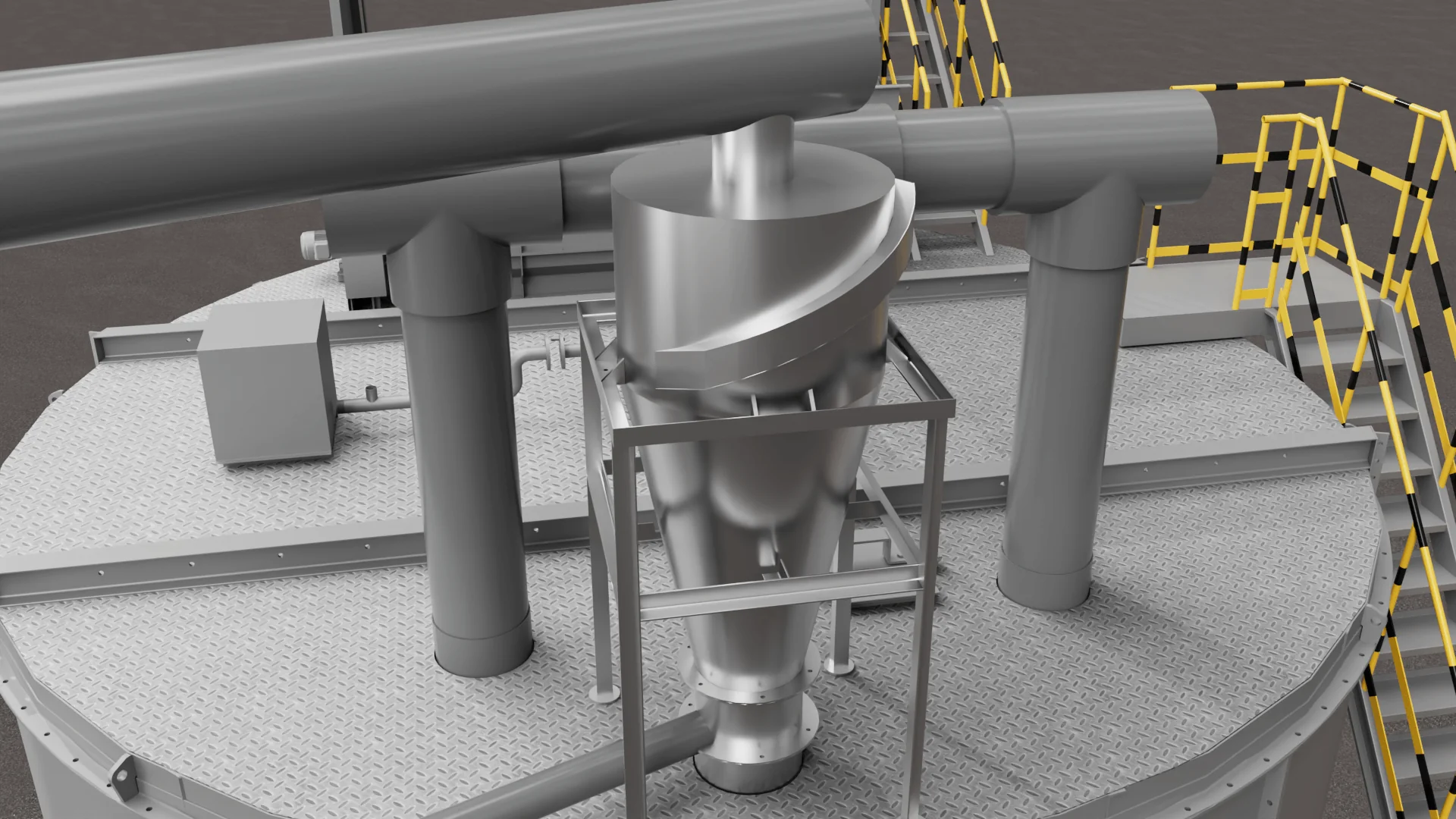
At Cason, we ensure that our poultry composting machines come equipped with efficient exhaust systems, like the spray biological deodorization unit, which facilitates proper airflow. The exhaust fan pulls gases from inside the fermentation tank, sending them through the deodorization tower for filtering before they are safely discharged. This keeps the process oxygen-rich, ensuring that the organic material decomposes efficiently.
The Importance of Using the Right Equipment for Successful Composting
Successfully managing high-temperature composting requires more than just the right procedures—it’s essential to use the right animal waste fermentation equipment. Without reliable and advanced systems like those offered by Cason, problems such as improper temperature control, odor emissions, and poor airflow can derail the composting process. By investing in high-quality poultry composting machines with built-in deodorization and ventilation systems, you can ensure an efficient, eco-friendly composting process that meets both operational goals and environmental standards.