
Ammonia management is a core challenge for poultry farms and organic fertilizer facilities that process poultry waste. High ammonia concentrations not only slow down composting efficiency but can also create environmental and health concerns. At Cason, we focus on providing poultry composting machines and chicken manure composting tanks that help farms manage ammonia levels effectively while turning waste into a valuable resource for soil enrichment.
The Challenge of Ammonia in Chicken Manure Composting
Chicken manure contains high levels of nitrogen, which during early stages of composting can release ammonia gas. In a confined composting environment like a chicken manure composting tank, ammonia accumulation can inhibit microbial activity. This slows down the composting process and may lead to unpleasant odors that affect workers and nearby communities. Beyond the operational costs, unmanaged ammonia can contribute to air quality issues and nutrient loss from the composting system.
Effective composting involves maintaining balanced conditions that encourage beneficial microbes to break down organic matter quickly and completely. When ammonia concentrations rise, those favorable microbial communities can become suppressed, prolonging composting cycles and reducing output quality. This is where a carefully designed poultry composting machine becomes indispensable in modern waste management strategies.
How a Chicken Manure Composting Tank Can Regulate Ammonia
A chicken manure composting tank, when paired with the right technology, creates a controlled environment that supports efficient decomposition while minimizing excess ammonia emissions. At Cason, we engineer our systems with factors like aeration and moisture management in mind. Proper aeration introduces enough oxygen to support aerobic microbes which help convert ammonia into forms that remain within the compost, enhancing nutrient retention and reducing odors.
Moisture levels also play a vital role. Too much moisture can fill air spaces and slow down oxygen flow, causing anaerobic pockets where ammonia lingers. Too little moisture inhibits microbial activity. Our poultry composting machines maintain these conditions dynamically, helping composting tanks operate with consistent temperatures and oxygen levels, which in turn stabilizes ammonia release throughout the process.
The Cason Approach to Efficient Composting
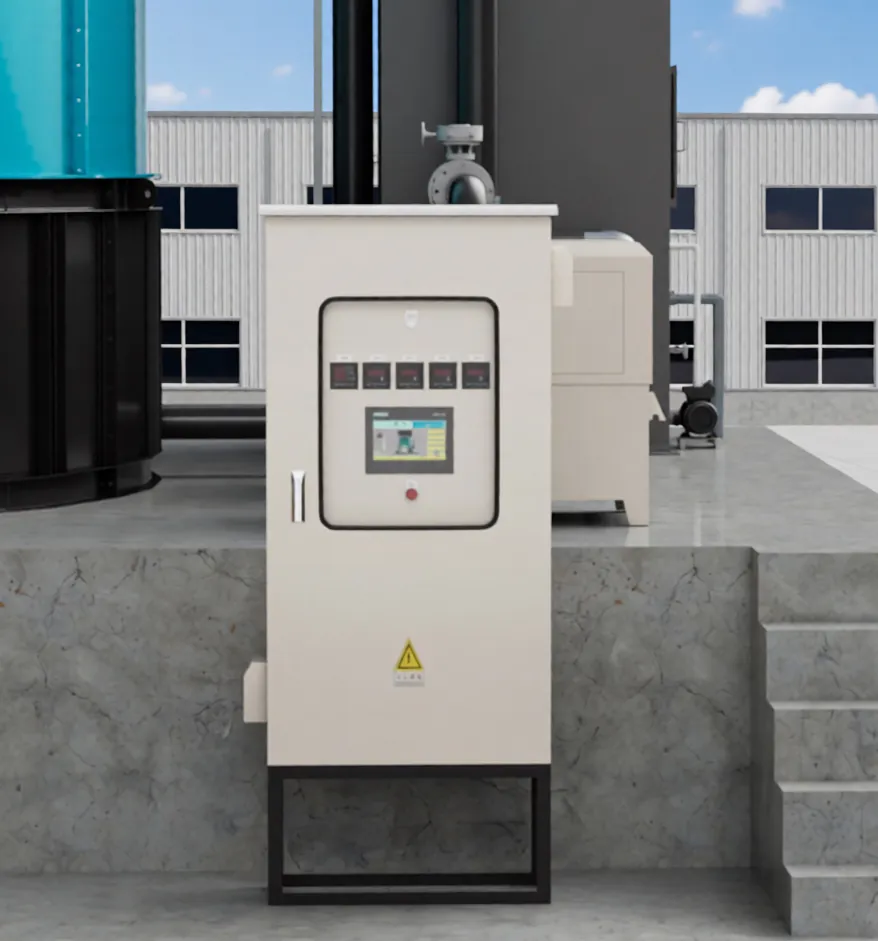
Our poultry composting solutions such as the C-160E model combine automated conveying, temperature monitoring, and precise control systems. With these design elements, we help farms manage large volumes of chicken manure with improved consistency. Because the composting process proceeds in an enclosed system, fewer external variables affect performance. Compost operators can focus on throughput and quality without constantly adjusting conditions manually.
The end result is a more stable compost product with nutrients preserved rather than lost to volatilization. When ammonia levels remain in balance, the compost matures more quickly and is ready for application as organic fertilizer. This helps farms enhance soil structure and organic content while reducing reliance on external chemical inputs.
Practical Steps for Farms
Implementing a chicken manure composting tank outfitted with a high-efficiency poultry composting machine requires planning around waste output and workflow. We at Cason work with our customers to provide guidance on sizing, installation, and operation. By understanding ammonia dynamics within composting environments, farms can adopt practices that nurture beneficial microbial activity and produce quality compost more reliably.