
Effective management of high-moisture organic waste is crucial for businesses aiming to turn waste into valuable resources. However, several pitfalls often hinder this process, particularly in the context of using fermentation tanks for organic waste. Understanding and avoiding these common issues can lead to more efficient operations and higher-quality outputs.
Ensuring Optimal Conditions
One of the most significant challenges in utilizing an organic fertilizer fermentation tank is maintaining optimal fermentation conditions. High levels of moisture can lead to inadequate oxygen availability, which may slow down the microbial activity essential for fermentation. To address this issue, employing a robust mixing system is vital. This system not only ensures uniform blending but also promotes even oxygen distribution throughout the tank. Investing in advanced equipment that includes a dedicated mixing mechanism will enhance process efficiency and prevent stagnation in the fermentation tank for organic waste.
Controlling Odors and Dust
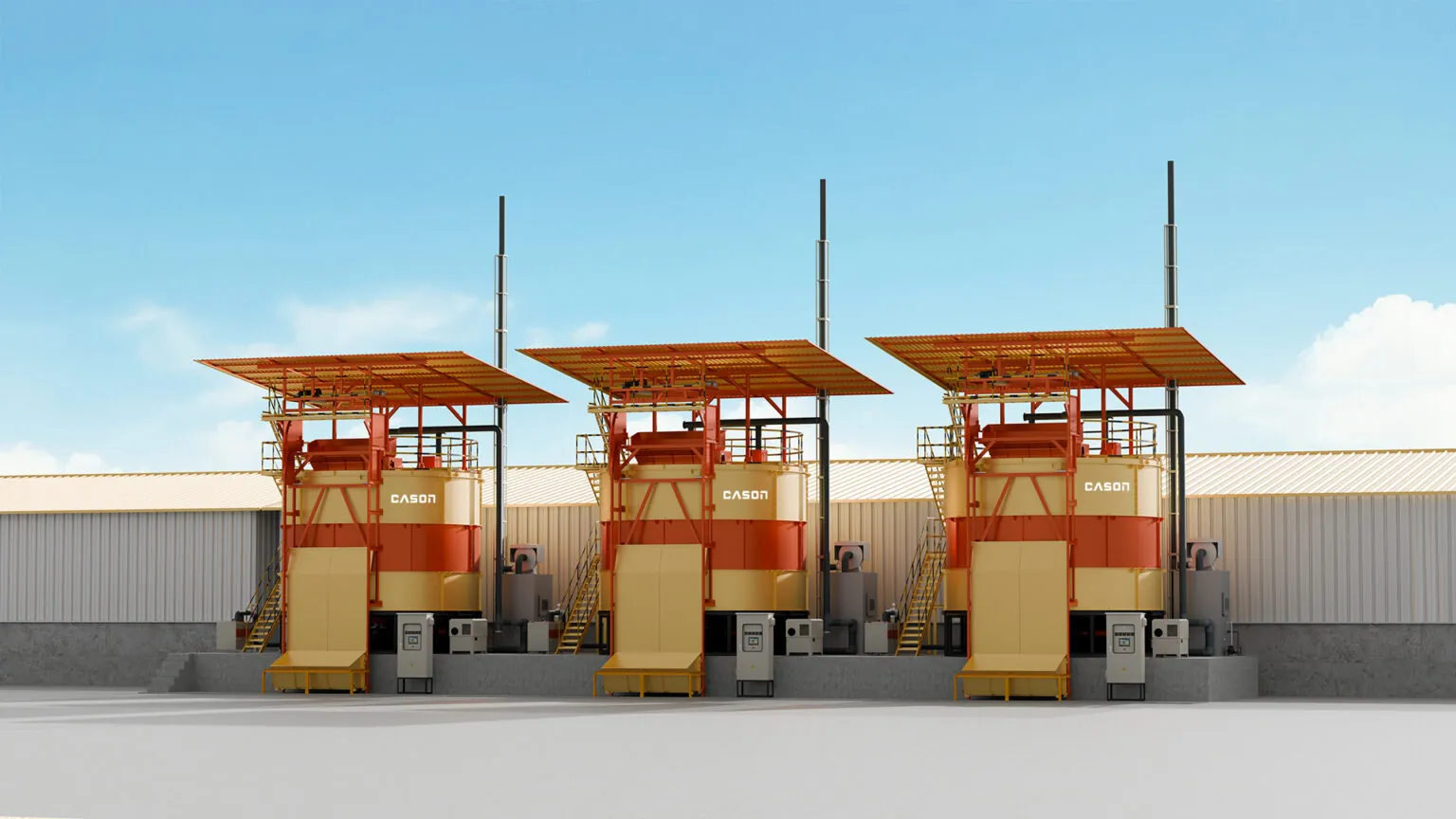
Another frequent concern in organic waste processing is the management of odors and dust. High-moisture environments can exacerbate these issues, resulting in unpleasant smells and a less hygienic workspace. Implementing a comprehensive deodorization system is crucial for creating a more pleasant environment and adhering to regulatory standards. This system, combined with a dust removal mechanism, will help to mitigate these challenges, ensuring cleaner air quality for operators. At Cason, our C-90E Organic Fertilizer Fermentation Tank features state-of-the-art systems designed to minimize both dust and odors, thereby significantly enhancing workplace safety and comfort.
Effective Waste Discharge
The discharge of finished compost from the fermentation tank is another area where businesses often face hurdles. Inefficient discharge systems can lead to delays and complications, negatively impacting productivity. Utilizing an automated discharge system can streamline this process, ensuring that the finished product is efficiently removed from the fermentation tank for organic waste. This automation reduces labor costs and minimizes the risk of contamination during the transfer of compost. Cason’s design integrates this feature, enhancing operational flow and efficiency.
Crafting a Sustainable Future
The proper processing of high-moisture organic waste is a challenging but attainable goal. By understanding the common pitfalls and leveraging advanced technology, businesses can transform their organic waste management practices.
At Cason, we are committed to leading the way in this transformation. Our C-90E Organic Fertilizer Fermentation Tank exemplifies our dedication to innovation and performance in organic waste processing. Equipped with sophisticated components such as automated feeding and mixing systems, our tanks help create optimal fermentation conditions, ensure efficient dust and odor management, and streamline discharge processes. Together, let’s pave the way for a sustainable future through advanced fermentation technology.