
Kitchen waste treatment refers to the systematic processing of food residues generated from households, commercial kitchens, and institutional catering facilities. As waste management regulations become stricter worldwide, understanding the core concepts and terminology behind modern treatment technologies is increasingly important. Among these technologies, kitchen waste fermentation tanks and the food waste fermentation tank play a central role in converting organic waste into stable, manageable material.
At Cason, we focus on developing fermentation-based systems that help users clearly understand how kitchen waste treatment works at a technical and operational level, rather than treating it as a simple disposal process.
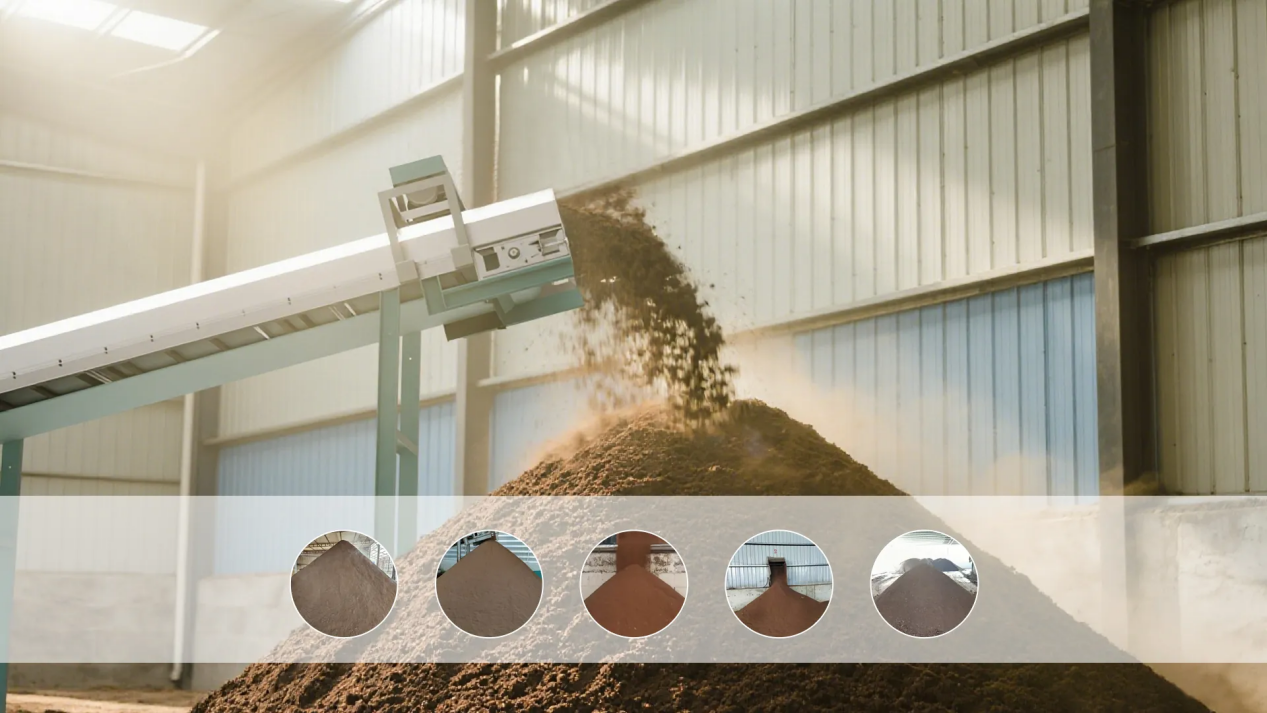
What Is a Food Waste Fermentation Tank?
A food waste fermentation tank is an enclosed system designed to biologically decompose organic kitchen waste under controlled conditions. Unlike traditional composting, fermentation relies on regulated temperature, moisture, and oxygen levels to guide microbial activity. This process stabilizes food waste, reduces volume, and minimizes odors.
In industry terminology, a food waste fermentation tank is often described as:
- A biological treatment unit
- A closed-loop organic waste processor
- A controlled fermentation vessel
These terms all refer to the same core function: accelerating organic breakdown while maintaining environmental control.
Understanding Kitchen Waste Fermentation Tanks
Kitchen waste fermentation tanks are not single-function machines. In professional usage, the term usually refers to a core fermentation vessel supported by auxiliary systems, such as material feeding, discharge mechanisms, electrical control units, and energy-saving modules.
From a technical perspective, kitchen waste fermentation tanks typically include:
- Insulated tank structures for thermal stability
- Mixing or agitation systems to ensure uniform fermentation
- Monitoring components for temperature and moisture
- Automated control logic for continuous operation
At Cason, we emphasize clear system integration so that users understand how kitchen waste fermentation tanks function as part of a complete treatment process rather than as isolated equipment.
Key Terminology in Kitchen Waste Treatment Systems
When discussing kitchen waste treatment, several commonly used terms can cause confusion. Clarifying these concepts helps avoid misunderstandings during system selection and operation:
- Fermentation vs. Composting: Fermentation occurs in sealed or semi-sealed environments with controlled parameters, while composting is usually open-air and slower.
- Stabilization: This refers to reducing biological activity to prevent secondary pollution, a primary goal of both a food waste fermentation tank and kitchen waste fermentation tanks.
- Auxiliary Systems: These include conveying, control, and energy-support systems that assist the fermentation tank but are not standalone treatment units.
Understanding these terms helps users evaluate system performance more accurately.
System Integration and Control Concepts
Modern kitchen waste treatment systems emphasize integration rather than individual components. A food waste fermentation tank operates most effectively when supported by coordinated control and monitoring systems. These systems regulate internal conditions, ensure process consistency, and improve operational reliability.
Cason designs kitchen waste fermentation tanks with this integrated logic in mind, ensuring that fermentation performance is stable and repeatable across different waste input conditions.
Conclusion: Building a Clear Understanding of Kitchen Waste Treatment
Kitchen waste treatment is not defined by application scenarios alone, but by clear technical concepts and standardized terminology. By understanding how kitchen waste fermentation tanks work, what a food waste fermentation tank represents, and how auxiliary systems support fermentation, users can better evaluate treatment solutions from a technical standpoint.
At Cason, we believe that clear explanations and correct terminology are essential foundations for effective kitchen waste management, helping users make informed decisions and apply fermentation technology with confidence.