
As an organic fertilizer producer, sustainability and efficiency are crucial to both the environment and your bottom line. One innovative solution that is quickly gaining popularity in the industry is the food waste fermentation tank. These advanced systems provide an efficient way to convert food waste into valuable organic fertilizer, helping to address waste disposal challenges while creating a profitable product. At Cason, we believe that incorporating food waste organic fertilizer fermentation tanks into your production process is not just an eco-friendly option, but a smart investment that offers both environmental and financial benefits.
Efficient and High-Capacity Production
A food waste fermentation tank is designed for high-volume processing, and when paired with the right features, it can significantly increase your daily output. The Cason food waste fermentation tank, such as the C-140E model, stands out for its larger capacity and higher daily output compared to other solutions. This tank’s smart design ensures that more food waste is converted into high-quality organic fertilizer in less time, improving productivity while lowering operational costs.
The Cason C-140E fermentation tank is built for energy efficiency, providing significant savings by reducing power consumption through its adaptive control system. With continuous tracking of essential parameters such as temperature and pressure, the system ensures that the tank operates optimally without wasting unnecessary energy. This feature not only cuts down on energy bills but also enhances overall system longevity, reducing the need for maintenance and repairs.
Eco-Friendly Operation
With growing concerns about the environmental impact of waste management, it’s more important than ever to invest in solutions that reduce carbon footprints. Cason’s food waste fermentation tank offers an eco-friendly approach to organic fertilizer production. The Cason C-140E comes with an advanced centralized deodorization system, which ensures that any odors emitted during the fermentation process are efficiently captured and neutralized. This system complies with environmental standards, preventing unpleasant smells from escaping into the surrounding area, making it a responsible choice for producers concerned with both productivity and environmental impact.
In addition to odor control, the Cason food waste fermentation tank helps reduce waste sent to landfills by converting food scraps into valuable fertilizer. This recycling process not only cuts down on landfill usage but also supports the circular economy by turning waste into a beneficial resource.
Simplified Operations with Smart Controls
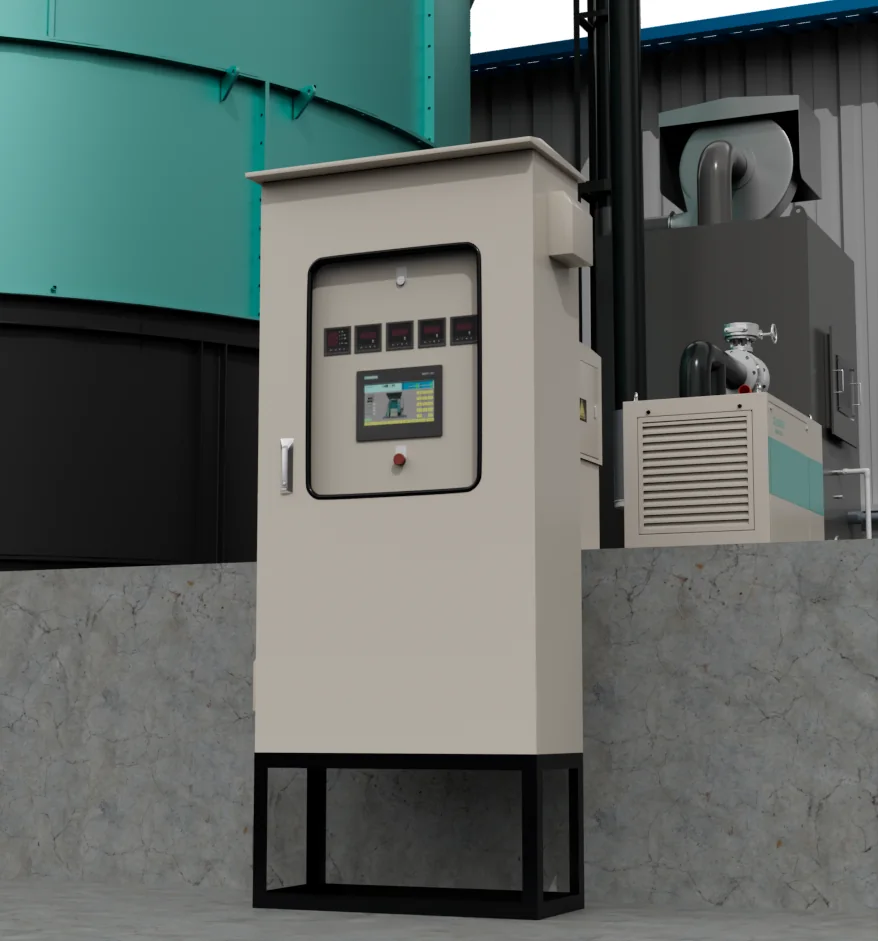
At Cason, we understand that ease of operation is key to minimizing labor costs and increasing efficiency in fertilizer production. The food waste fermentation tank is equipped with an intelligent electrical control panel that integrates various functions, making it easy to monitor and adjust parameters. The system is fully automated, meaning that once it is set up, it requires minimal human intervention to operate, freeing up your workforce for other tasks.
For those looking to integrate remote management, the Cason food waste organic fertilizer fermentation tank offers a centralized control system, allowing you to monitor and manage operations remotely. This feature is particularly useful for companies with multiple production units, ensuring smooth and efficient operations across the board.
Is It Worth It?
In conclusion, the investment in a food waste fermentation tank like the Cason C-140E can significantly benefit organic fertilizer producers by improving production efficiency, reducing energy consumption, and offering an eco-friendly waste management solution. With its high capacity, energy-saving features, and smart control systems, the Cason food waste organic fertilizer fermentation tank provides both environmental and financial advantages, making it a smart investment for any producer in the organic fertilizer industry.